A deadly hantavirus outbreak linked to an international cruise ship has triggered global concern. Learn what hantavirus is, how it spreads, the symptoms to watch for, and why health officials are closely monitoring the situation.
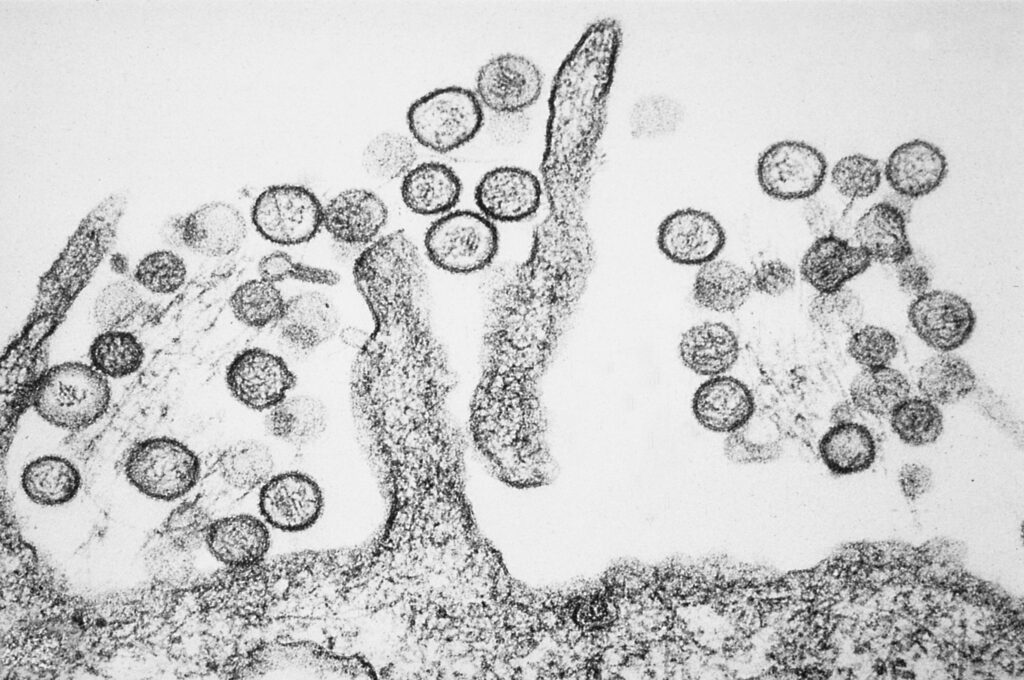
Deadly Hantavirus Outbreak on Cruise Ship Sparks Global Alarm
The idea of catching a deadly virus while on a luxury cruise sounds like something out of a movie. But for dozens of passengers aboard the MV Hondius, that nightmare may have become reality.
Health authorities around the world are now tracking a growing hantavirus outbreak connected to the cruise ship after multiple deaths and several suspected infections were reported. The situation has triggered an international response, not because this is another pandemic, but because one specific strain involved in the outbreak may spread between humans under certain conditions.
For many people, this is the first time they’ve ever heard the word “hantavirus.” And honestly, that’s understandable. It’s rare. But when it appears, it can be extremely serious.
So what exactly is happening, and should people be worried?
What Is Hantavirus?
Hantavirus is a potentially life-threatening viral infection typically carried by rodents. Humans usually become infected after breathing in tiny particles contaminated with rodent urine, droppings, or saliva.
In severe cases, the virus can attack the lungs and lead to a dangerous condition called Hantavirus Pulmonary Syndrome (HPS), which can become fatal if not treated quickly.
One of the strains currently being investigated in the cruise ship outbreak is the Andes hantavirus, a variant mostly found in South America. What makes this strain especially concerning is that, unlike most hantaviruses, it has shown limited human-to-human transmission in rare situations.
That’s one reason health officials are taking this outbreak seriously.
What Happened on the Cruise Ship?
According to international reports, several passengers aboard the expedition cruise ship MV Hondius became seriously ill after traveling through parts of South America.
At least three deaths have already been confirmed, and additional suspected cases are under investigation. Some passengers reportedly left the ship and traveled internationally before authorities fully understood what they were dealing with.
Now, multiple countries are tracing contacts and monitoring passengers who may have been exposed.
Even though officials say the overall public risk remains low, the outbreak has quickly become a major international health story because of:
- The virus’s high fatality rate
- The possibility of limited person-to-person spread
- The number of international travelers involved
For many experts, the situation is a reminder of how quickly infectious diseases can cross borders in a highly connected world.

Early Symptoms of Hantavirus
One of the dangerous things about hantavirus is that early symptoms can look surprisingly similar to the flu.
People may initially experience:
- Fever
- Fatigue
- Muscle aches
- Chills
- Headaches
- Nausea
But then things can worsen rapidly.
As the infection progresses, some patients develop severe breathing difficulties as fluid begins building up in the lungs. This stage can become life-threatening very quickly.
That’s why early medical attention is critical.
How Dangerous Is Hantavirus?
Hantavirus infections are rare, but they can be extremely serious.
Some forms of hantavirus have fatality rates approaching 30% to 40%, especially when diagnosis and treatment are delayed.
There is currently no specific antiviral cure for hantavirus. Treatment mainly focuses on supportive hospital care, oxygen therapy, and helping patients breathe while the body fights the infection.
The good news is that most cases remain isolated, and widespread outbreaks are uncommon.
Still, experts emphasize that awareness matters because recognizing symptoms early can save lives.
How Does Hantavirus Spread?
Most hantavirus infections happen after exposure to infected rodents or contaminated environments.
Common risk situations include:
- Cleaning dusty cabins, sheds, or storage areas with rodent droppings
- Sleeping in rodent-infested areas
- Contact with contaminated food or surfaces
- Poorly ventilated environments
The Andes strain, however, has occasionally shown evidence of transmission between close human contacts, particularly among family members or people with prolonged exposure.
Researchers are still studying exactly how and when this happens.
Should You Be Worried?
Right now, global health agencies say there is no evidence that this outbreak represents a pandemic-level threat.
That’s important.
Hantavirus is not spreading through casual everyday contact the way respiratory viruses like COVID-19 spread. Most people are still considered at very low risk.
However, the outbreak is a powerful reminder that infectious diseases don’t disappear simply because they’re rare.
For travelers, hikers, campers, and people living in rural areas, basic precautions still matter.
Simple Ways to Reduce Your Risk
Health experts recommend several practical steps to lower hantavirus exposure:
Avoid Contact With Rodents
Seal food properly and avoid areas with visible rodent activity.
Ventilate Closed Spaces
Before cleaning garages, cabins, sheds, or storage rooms, open windows and allow fresh air inside for at least 30 minutes.
Never Sweep Rodent Droppings Dry
Sweeping can release viral particles into the air. Instead, use disinfectant and protective gloves.
Practice Good Hygiene
Wash hands thoroughly after outdoor activities or cleaning enclosed areas.
These small habits can significantly reduce exposure risk.
Why This Story Matters
Outbreaks like this often remind people how fragile public health can be in an age of global travel.
A virus that begins in one remote region can quickly involve multiple countries within days. And while hantavirus remains rare, the seriousness of the illness means health officials can’t afford to ignore it.
For everyday readers, the most important takeaway isn’t fear. It’s awareness.
Understanding how infections spread, recognizing warning signs early, and following basic prevention measures can make a real difference.
FAQ
Can hantavirus spread from person to person?
Most hantavirus strains do not spread between humans. However, the Andes hantavirus strain has shown limited human-to-human transmission in rare cases.
What are the first signs of hantavirus?
Early symptoms often include fever, fatigue, muscle aches, headaches, and chills before breathing problems begin.
Is hantavirus common?
No. Hantavirus infections are considered rare, especially outside certain rural regions.
Is there a cure for hantavirus?
There is no specific cure or antiviral treatment currently available. Early hospital care greatly improves survival chances.
Should travelers cancel cruises because of this outbreak?
Health authorities currently say the overall public risk remains low. Travelers should follow official guidance and practice general hygiene precautions.
Conclusion
The hantavirus outbreak linked to the MV Hondius cruise ship has drawn global attention for good reason. Although the virus remains rare, its severity and the possibility of limited human transmission have pushed health officials into rapid response mode.
At the moment, experts say there is no reason for widespread panic. But the outbreak does highlight the importance of staying informed, recognizing symptoms early, and understanding how diseases can spread in a connected world.
Sometimes, the biggest health threats are the ones most people have never even heard of until suddenly they’re making headlines around the globe.
Internal Linking Suggestions
- “Early Signs of Dangerous Lung Infections”
- “How Viruses Spread During International Travel”
- “Why Respiratory Symptoms Should Never Be Ignored”
- “The Hidden Health Risks of Rodent Exposure”
External Authority Source Suggestions
SEO Keywords Used
- hantavirus outbreak
- hantavirus symptoms
- Andes hantavirus
- cruise ship virus outbreak
- hantavirus pulmonary syndrome
- deadly virus symptoms
- rodent-borne diseases
- global health alert
- respiratory virus infection
- rare infectious diseases
