Yogurt gets all the credit. It’s on every “healthy gut” list, endorsed by every breakfast commercial and recommended by well-meaning doctors who want to say something practical about probiotics without getting too specific. And yogurt is genuinely good — don’t dismiss it.
But when it comes to bacterial diversity, live culture concentration and documented impact on gut microbiome composition, yogurt ranks well below several fermented foods that most people in the Western world have never tasted — or have tasted once and never revisited because the flavor surprised them.
The gut microbiome — the ecosystem of trillions of bacteria, fungi and viruses living in your digestive tract — is one of the most active areas of medical research today. It influences immunity, mental health, metabolic function, inflammation and even the risk of chronic disease. Feeding it well isn’t optional. It’s foundational. And these ten foods are the most powerful tools food can offer.
What Probiotics Actually Are
Probiotics are live microorganisms that — when consumed in adequate amounts — confer a health benefit on the host. They work by colonizing the gut temporarily, competing with harmful bacteria, producing beneficial compounds like short-chain fatty acids and stimulating immune responses.
Different strains have different effects. Lactobacillus strains generally support digestion and immunity. Bifidobacterium strains are associated with mental health benefits and inflammation reduction. The diversity of strains consumed matters as much as the quantity — which is why food variety outperforms any single probiotic supplement.
The 10 Probiotic Foods Ranked by Impact
1. Kefir — The Most Powerful Probiotic Food Available
The answer to the headline
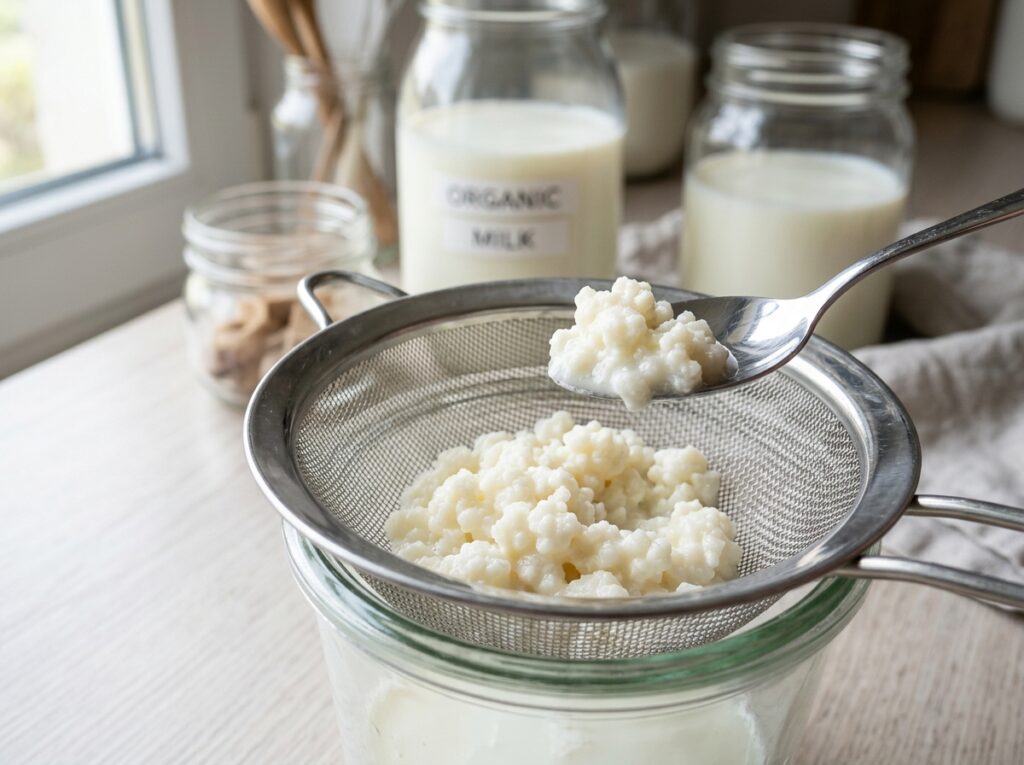
Kefir is a fermented milk drink produced by adding kefir grains — a symbiotic culture of bacteria and yeast — to cow’s, goat’s or coconut milk. The result contains up to 61 different strains of beneficial bacteria and yeasts — a diversity that no yogurt, supplement or other fermented food comes close to matching.
Studies show kefir improves lactose digestion, reduces inflammatory markers, enhances immune function and demonstrates antimicrobial activity against harmful pathogens including H. pylori. Its bacterial concentration — up to 10 billion CFU per cup — exceeds most commercial probiotic supplements.
Kefir has a tart, slightly effervescent taste similar to drinkable yogurt. It’s widely available in supermarkets and health food stores. Plain, unsweetened kefir is the most beneficial version.
How to use: 1 cup per day — drunk plain, added to smoothies or used as a base for overnight oats.
2. Kimchi
Korea’s fermented superfood
Kimchi — fermented napa cabbage with chili, garlic and ginger — is one of the most studied fermented foods in the world. It contains Lactobacillus kimchii and multiple other strains that survive stomach acid and colonize the gut effectively.
Research published in the Journal of Medicinal Food shows kimchi consumption improves gut microbiome diversity, reduces body weight and fat percentage, lowers LDL cholesterol and demonstrates significant anti-inflammatory effects. The combination of probiotics and prebiotic fiber from cabbage creates a synbiotic effect — probiotics and their food source delivered together.
How to use: 2 to 4 tablespoons as a side dish, topping for rice or eggs, or mixed into soups and stir-fries. Start small — the spice and acidity can be intense for first-timers.
3. Sauerkraut
The accessible fermented vegetable
Sauerkraut — fermented cabbage — is one of the oldest probiotic foods in human history and one of the most accessible. A single serving contains up to 28 different bacterial strains and is exceptionally rich in Lactobacillus plantarum — a strain with strong evidence for reducing gut inflammation and supporting immune function.
Critical point: only unpasteurized sauerkraut contains live cultures. Pasteurized versions — most canned supermarket varieties — have been heat-treated, killing the beneficial bacteria. Look for refrigerated, raw sauerkraut with no vinegar in the ingredient list.
How to use: 2 tablespoons daily as a side dish, on sandwiches or mixed into salads. Never heat it — cooking kills the live cultures.
4. Plain Greek Yogurt
The reliable daily foundation
Greek yogurt earns its place on this list — particularly for its accessibility, versatility and consistent evidence base. It typically contains Lactobacillus acidophilus and Streptococcus thermophilus — strains with well-documented benefits for digestive health, immune function and lactose tolerance.
Full-fat, plain, unsweetened Greek yogurt provides the highest bacterial concentration. Flavored yogurts typically contain added sugar — which feeds harmful bacteria and partially undermines the probiotic benefit.
How to use: 1 cup daily — with fruit and seeds at breakfast, as a base for dips or as a sour cream substitute in cooking.
5. Miso
The Japanese fermented paste
Miso — a paste made from fermented soybeans, rice or barley — is a staple of Japanese cuisine and a significant source of Lactobacillus and Aspergillus oryzae. Studies show regular miso consumption is associated with reduced risk of gastric cancer, lower blood pressure and improved gut microbiome diversity.
Miso is also rich in zinc, manganese, copper and vitamin K — nutrients that support immune function and bone health alongside its probiotic benefits.
How to use: dissolve 1 tablespoon in warm — not boiling — water for miso soup. Add to salad dressings, marinades and sauces. Never boil miso — high heat destroys the live cultures.
6. Tempeh
Fermented soy with complete protein
Tempeh — made from fermented whole soybeans pressed into a firm cake — provides probiotics alongside complete protein, making it uniquely valuable as both a gut health food and a primary protein source. The fermentation process reduces phytic acid — an antinutrient that inhibits mineral absorption — making tempeh’s nutrients more bioavailable than unfermented soy.
How to use: slice and pan-fry in olive oil with soy sauce and garlic, crumble into stir-fries or use as a meat substitute in grain bowls and tacos.
7. Kombucha
The fermented tea with gut and energy benefits
Kombucha is a fermented tea produced by a SCOBY — symbiotic culture of bacteria and yeast — that transforms sweet tea into a tangy, slightly effervescent drink containing organic acids, B vitamins and live cultures.
Evidence for kombucha’s gut benefits is less extensive than for other fermented foods on this list — but its acetic acid content creates an intestinal environment hostile to harmful bacteria, while its live cultures contribute to microbiome diversity.
How to use: 4 to 8 ounces per day — look for low-sugar versions with live cultures listed on the label. Excessive consumption can cause digestive discomfort in sensitive individuals.
8. Kvass
The Eastern European fermented drink most people have never tried
Kvass — a traditional fermented beverage made from bread or beets — is widely consumed across Russia and Eastern Europe and contains significant concentrations of Lactobacillus strains. Beet kvass, specifically, combines probiotic benefits with the nitrate content of beets — supporting both gut health and cardiovascular function.
Available in specialty stores and increasingly online. Homemade versions are simple to prepare with beets, water and salt.
How to use: 4 to 6 ounces daily as a digestive tonic, particularly effective before meals.
9. Aged Cheeses — Gouda, Cheddar, Parmesan
Probiotics in a familiar form
Not all cheeses contain live cultures — pasteurization kills them. But certain aged cheeses — particularly raw milk gouda, aged cheddar and parmesan — contain live Lactobacillus and Bifidobacterium strains that survive the aging process and the journey through stomach acid.
Research shows cheese-based probiotics have particularly good survivability in the gut compared to other delivery vehicles — the fat and protein matrix protects bacteria through digestion.
How to use: 1 to 2 ounces of aged cheese daily — as a snack, in salads or as a meal component.
10. Apple Cider Vinegar — Raw and Unfiltered
The prebiotic-probiotic hybrid
Raw, unfiltered apple cider vinegar — containing “the mother,” a colony of beneficial bacteria and enzymes — provides modest probiotic benefits alongside significant prebiotic properties. Its acetic acid content reduces harmful bacterial growth while supporting beneficial strains.
Evidence for direct probiotic benefit is more limited than for fermented foods — but its prebiotic effect on existing gut bacteria makes it a valuable daily addition.
How to use: 1 tablespoon diluted in a large glass of water before meals. Never consume undiluted — the acidity can damage tooth enamel and the esophagus.
How to Build a Probiotic-Rich Daily Routine
Diversity is the principle that matters most. Rotating between different fermented foods exposes the gut to different bacterial strains — building a broader, more resilient microbiome than any single food can achieve.
A practical daily approach:
- Morning: kefir or Greek yogurt with breakfast
- Lunch: sauerkraut or kimchi as a side
- Dinner: miso soup or tempeh as a protein source
- Daily: a small glass of kombucha or apple cider vinegar water
Pair probiotic foods with prebiotic foods — garlic, onion, leeks, asparagus, bananas and oats — which feed the beneficial bacteria and amplify their effect.
Conclusion
Yogurt is a good start. But the gut microbiome is complex — it contains hundreds of species and responds best to dietary diversity. Kefir, kimchi, sauerkraut, miso and tempeh deliver bacterial strains and concentrations that yogurt alone cannot match.
The most powerful thing you can do for your gut health isn’t buying an expensive probiotic supplement. It’s eating fermented food — real, varied, unpasteurized fermented food — every single day.
Your gut is an ecosystem. Feed it like one.
Know someone dealing with digestive issues, low immunity or chronic fatigue? Share this article — the answer might be in the fridge, not the pharmacy.