
When illness strikes or surgery is behind you, the instinct is to eat lightly. Toast, crackers, broth — safe, bland, minimal. The body is under stress, the appetite is low and heavy food feels wrong. So people eat less, move less and wait to feel better.
But here’s what’s actually happening inside: healing is one of the most metabolically demanding processes the body performs. Tissue repair, immune activation, collagen synthesis, inflammation resolution — all of it requires specific nutrients in significant quantities. And the most powerful of those nutrients is protein — the one thing most people dramatically reduce when they’re sick or recovering.
Protein is the building block of every tissue being repaired. Without adequate intake, recovery slows, muscle is lost and complications increase. But protein alone isn’t enough. These twelve foods deliver the full nutritional toolkit the body needs to heal as fast as biology allows.
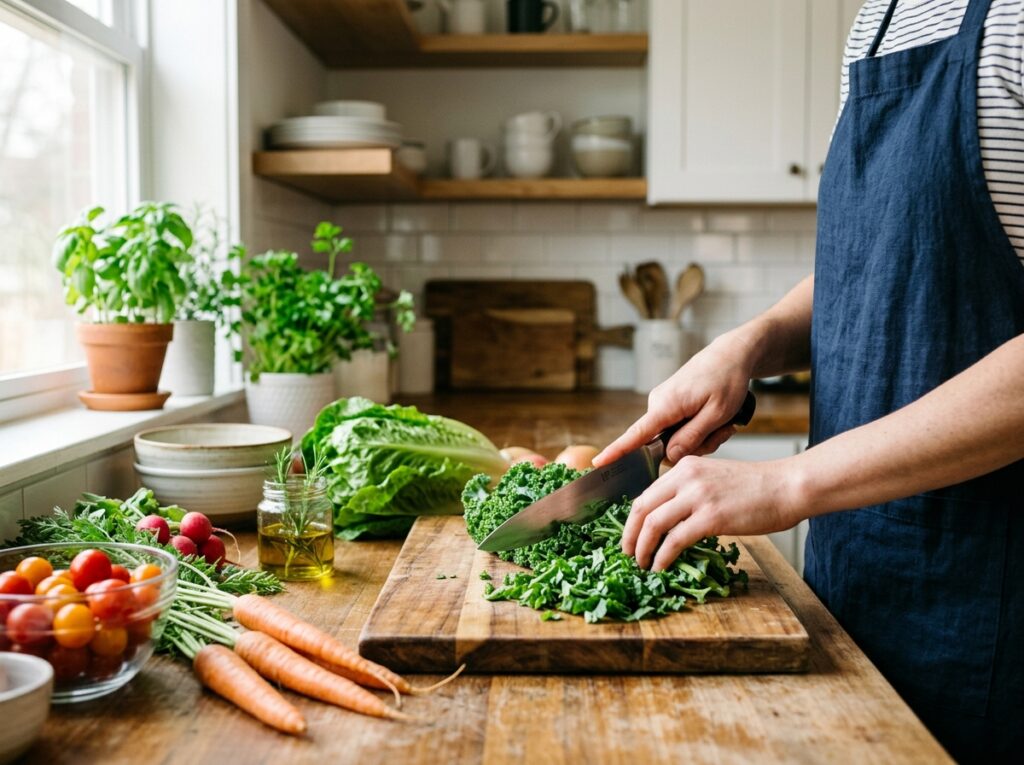
How Food Affects the Healing Process
Healing happens in three overlapping phases: inflammation — the immune response that clears damage — proliferation — where new tissue is built — and remodeling — where tissue strengthens and matures.
Each phase requires specific nutrients. Vitamin C for collagen synthesis. Zinc for immune function and cell division. Omega-3 fatty acids for inflammation resolution. Iron for oxygen delivery to healing tissue. B vitamins for cellular energy production. Without these, each phase slows — extending recovery from days into weeks.
Food is not passive during healing. It is the raw material the body uses to rebuild itself.
The 12 Foods That Speed Up Healing
1. Bone Broth
The surprise at the top of the list
Bone broth — made by simmering animal bones for hours — is rich in collagen, gelatin, glycine and proline — the precise amino acids used to build and repair connective tissue, skin, tendons and the gut lining. It’s also deeply hydrating and easy to digest, making it ideal when appetite is suppressed.
Glycine, specifically, has anti-inflammatory properties and supports wound healing at the cellular level. This is the food most people overlook — and the one that has the most direct impact on tissue repair.
2. Eggs
Complete protein in the most bioavailable form
Eggs provide complete protein — all nine essential amino acids — along with vitamin A, B12, zinc, selenium and choline. The protein in eggs has the highest biological value of any whole food, meaning the body uses it more efficiently than almost any other source.
After surgery or injury, two to three eggs per day provide a significant portion of the increased protein requirement without taxing the digestive system.
3. Salmon
Omega-3s and protein combined
Salmon delivers two critical healing nutrients simultaneously — high-quality protein and omega-3 fatty acids. Omega-3s — specifically EPA and DHA — actively resolve inflammation rather than simply suppressing it. They signal the immune system to complete the inflammatory phase and transition into tissue rebuilding.
Studies show omega-3 supplementation reduces post-surgical inflammation, improves wound healing and shortens recovery time. Two servings of salmon per week deliver therapeutic levels naturally.
4. Citrus Fruits and Bell Peppers
Vitamin C — the collagen builder
Vitamin C is essential for collagen synthesis — the structural protein that forms the scaffolding of healing tissue, skin and blood vessels. Without adequate vitamin C, wounds heal slowly and poorly. Scurvy — severe vitamin C deficiency — is characterized by wounds that simply won’t close.
Bell peppers contain nearly three times more vitamin C than oranges. Kiwi, strawberries and broccoli are also excellent sources. During active healing, vitamin C needs increase — daily intake from food sources should be prioritized.
5. Chicken and Turkey
Lean protein with a healing bonus
Poultry provides high-quality protein along with carnosine — a compound that has demonstrated wound-healing properties in clinical research. Chicken also contains significant amounts of zinc and B vitamins essential for cellular repair and energy production during recovery.
Chicken soup — with bone broth base, vegetables and protein — is one of the most nutritionally complete healing meals that exists. Its reputation as a sick-day food has genuine scientific basis.
6. Leafy Greens — Spinach and Kale
Vitamin K, folate and antioxidants
Spinach and kale deliver vitamin K — essential for blood clotting and bone repair — along with folate for cell division, iron for oxygen transport and a broad spectrum of antioxidants that reduce oxidative stress in healing tissue.
Vitamin K is particularly important after surgery — it activates proteins involved in wound healing and bone regeneration. Leafy greens also provide magnesium, which supports hundreds of enzymatic reactions involved in tissue repair.
7. Sweet Potato
Complex carbohydrates for healing energy
Healing requires energy — significant amounts of it. The body’s energy demands increase by 20 to 50% during active recovery from surgery or serious illness. Complex carbohydrates from sweet potato provide steady glucose for cellular energy production without the inflammatory spike of refined carbs.
Sweet potato also delivers beta-carotene — converted to vitamin A — which is critical for skin cell regeneration and immune function. Vitamin A deficiency significantly impairs wound healing.
8. Greek Yogurt
Protein and probiotics together
Greek yogurt provides concentrated protein — up to 20g per cup — along with probiotics that support gut microbiome health. This matters for healing because approximately 70% of the immune system is housed in the gut. Antibiotics — commonly prescribed after surgery — deplete beneficial gut bacteria, impairing immune function. Probiotics help restore this balance.
The combination of protein and probiotics makes Greek yogurt one of the most efficient healing foods available — particularly for post-surgical recovery.
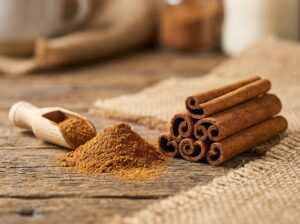
9. Turmeric
Curcumin’s anti-inflammatory power
Curcumin — the active compound in turmeric — has extensive research supporting its anti-inflammatory, antioxidant and wound-healing properties. It modulates inflammatory pathways, reduces oxidative damage in healing tissue and has demonstrated accelerated wound closure in multiple clinical studies.
Bioavailability increases dramatically when combined with black pepper — the piperine in pepper enhances curcumin absorption by up to 2,000%. Add turmeric and black pepper to soups, rice and curries throughout recovery.
10. Nuts and Seeds — Almonds, Walnuts, Pumpkin Seeds
Zinc, vitamin E and healthy fats
Almonds are one of the richest food sources of vitamin E — a fat-soluble antioxidant that protects cell membranes during the oxidative stress of healing. Pumpkin seeds are exceptionally high in zinc — a mineral essential for immune function, protein synthesis and cell division. Walnuts provide anti-inflammatory omega-3s.
A daily handful of mixed nuts and seeds covers multiple micronutrient gaps that arise during recovery when appetite and food variety are limited.
11. Berries
Antioxidants that protect healing tissue
Blueberries, strawberries, raspberries and blackberries are packed with anthocyanins — powerful antioxidants that reduce oxidative damage, support collagen synthesis and have demonstrated anti-inflammatory effects. Vitamin C content further supports tissue repair.
Berries are easy to eat when appetite is low — add them to yogurt, oatmeal or smoothies for a concentrated dose of healing antioxidants without digestive burden.
12. Lentils and Legumes
Plant-based protein, iron and zinc
For those who don’t eat meat, lentils provide a powerful healing combination — protein, iron, zinc and folate in one food. Iron is essential for oxygen transport to healing tissue — iron deficiency slows recovery and causes the fatigue that many people attribute to illness rather than nutritional depletion.
Combine lentils with vitamin C-rich foods — tomato, bell pepper, lemon — to enhance iron absorption from plant sources by up to three times.
How to Combine These Foods for Maximum Effect
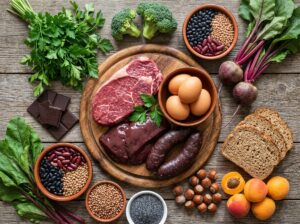
No single food heals in isolation. The most effective recovery diet builds every meal around a quality protein source — eggs, chicken, salmon, Greek yogurt or lentils — and adds color through vegetables and fruits rich in vitamin C and antioxidants.
Bone broth as a base for soups and grains adds collagen amino acids to any meal. Turmeric and black pepper in cooking deliver curcumin consistently. A daily handful of nuts covers zinc and vitamin E gaps.
Hydration supports every aspect of healing — nutrients need fluid to reach tissue, and the inflammatory response generates significant fluid demands.
Conclusion
The body heals itself — but it needs the right raw materials to do it efficiently. Food is not comfort during recovery. It is medicine. And the most overlooked medicine of all is adequate protein — the very thing most people reduce when they feel unwell.
Eat enough. Eat strategically. And give the body what it needs to do what it was designed to do.
Know someone recovering from surgery or illness? Share this article — the right nutrition at the right time can make a genuine difference in how fast they heal.