
Most spider bites are harmless. The majority of the world’s spider species either cannot penetrate human skin or produce venom too weak to cause more than localized redness and mild discomfort. The bite that actually warrants concern — from one of the small number of medically significant species — looks almost identical to the harmless ones for the first several hours.
That overlap is precisely what makes spider bite management complicated, and why emergency physicians consistently repeat the same guidance: treat every unidentified bite as potentially significant until a doctor evaluates it.
What you do — and equally, what you avoid doing — in the first minutes after a spider bite can directly influence how quickly venom spreads and how effectively it can be treated.

Immediate First Aid: What to Do
Step 1: Stay Calm and Move Away
Panicked movement increases heart rate and circulation, accelerating the distribution of venom through the bloodstream. Move calmly away from the area where the bite occurred to avoid further contact.
Step 2: Wash the Bite Site Thoroughly
Clean the bite area immediately with soap and running water for at least two minutes. This removes any surface venom that has not yet been absorbed and reduces the risk of secondary bacterial infection at the wound site.
Step 3: Apply a Cold Compress
Wrap ice or a cold pack in a cloth and apply it to the bite site for 10 minutes on, 10 minutes off. Cold constricts local blood vessels, slowing venom absorption and reducing swelling and pain. Do not apply ice directly to skin — cold burn compounds the injury.
Step 4: Elevate the Affected Limb
If the bite is on an arm or leg, keep the limb elevated above heart level. This reduces blood flow to the area and slows systemic distribution of venom through gravity assistance.
Step 5: Photograph or Collect the Spider (Safely)
If the spider is dead or can be safely captured without risk of a second bite, photograph it or place it in a sealed container to bring to the hospital. Species identification significantly accelerates treatment decisions. Do not handle the spider with bare hands even if you believe it is dead.
Step 6: Go to a Hospital or Emergency Clinic
Even if the bite appears minor and you are not experiencing severe symptoms, medical evaluation is recommended after any spider bite where the species is unidentified. A physician can assess the wound, monitor for early signs of envenomation, and ensure appropriate follow-up.
What You Must Never Do
Emergency physicians emphasize these specific errors because they are common, they are well-intentioned, and they make outcomes significantly worse:
Do not apply a tourniquet or tie off the bite site. Restricting blood flow to an envenomated extremity does not prevent venom from spreading systemically — venom enters lymphatic channels as well as blood vessels. A tourniquet causes tissue damage, increases the risk of necrosis, and delays appropriate treatment without providing any benefit.
Do not try to suck out the venom. This is ineffective — venom is absorbed into tissue within seconds of injection — and introduces oral bacteria into an open wound, substantially increasing infection risk.
Do not squeeze or press the bite area. Mechanical pressure can rupture local tissue and push venom deeper into surrounding structures.
Do not apply heat. Heat increases local blood flow and accelerates venom absorption. It is the opposite of what is needed.
Do not take aspirin or ibuprofen as the first pain response without medical guidance. These medications have antiplatelet effects that may complicate treatment if the species involved produces hemotoxic venom.
Recognizing a Non-Venomous vs. Venomous Bite
The symptoms of a non-venomous spider bite typically include:
- A small, visible wound or puncture mark
- Mild redness and swelling around the site
- Local pain or itching
- Resolution within 24 to 48 hours without systemic symptoms
The symptoms that indicate a potentially venomous bite — and require immediate emergency care — include:
- Pain that increases rather than decreases over the first 12 to 24 hours
- Blistering or skin darkening at the bite site
- Spreading redness or a distinctive target-like lesion (central pallor surrounded by redness)
- Fever, chills, or sweating
- Nausea, vomiting, or abdominal cramps
- Muscle pain, rigidity, or cramping distant from the bite site
- Rapid heartbeat or changes in blood pressure
- Difficulty breathing
- Significant swelling involving a large area
Any of these systemic symptoms after a spider bite is a medical emergency. Do not wait to see if symptoms resolve.
The Three Most Medically Significant Spider Species
1. The Brown Recluse (and Related Recluse Spiders)
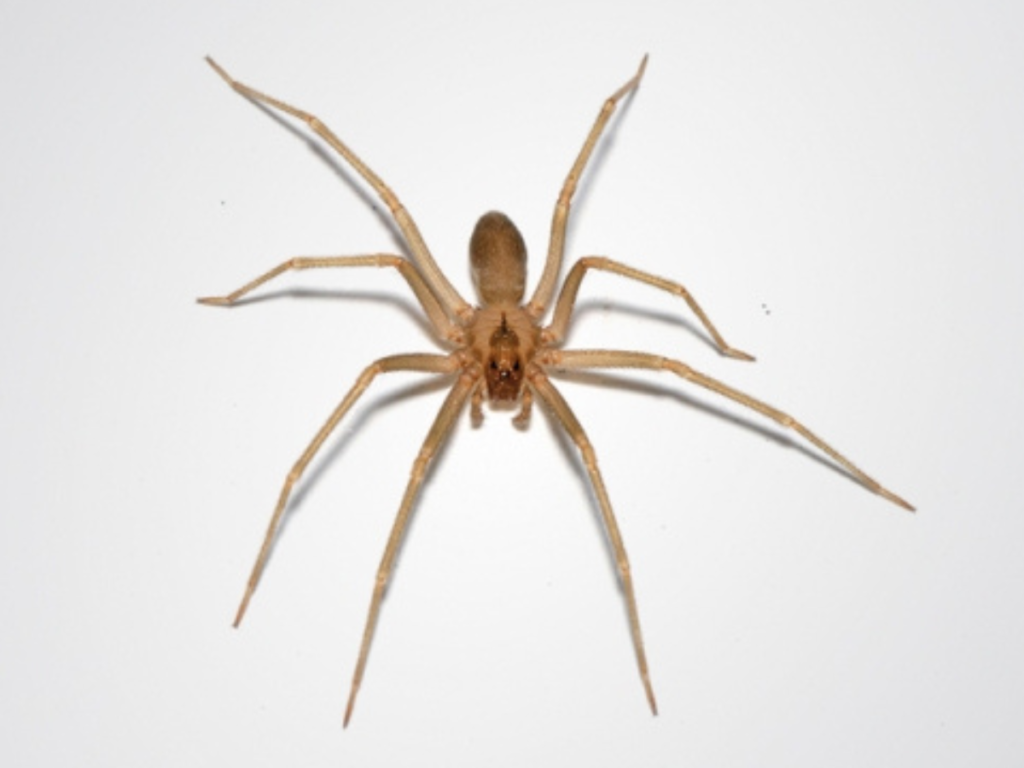
Found across the Americas — primarily in the southern and central United States, and extensively in South America — recluse spiders are identified by their characteristic violin-shaped marking on the dorsal cephalothorax and their six eyes arranged in three pairs (most spiders have eight eyes). They are small (body 6–20mm), light to dark brown, and markedly non-aggressive — bites occur almost exclusively when the spider is accidentally pressed against skin inside clothing, bedding, or shoes.
The critical feature of a recluse bite is its initial painlessness. At the moment of the bite, many people feel nothing. Within two to eight hours, mild burning or itching develops. By 12 to 24 hours, a distinct lesion appears: a pale or bluish center surrounded by a red ring — the “bull’s-eye” or “red, white, and blue” pattern — that indicates the beginning of necrosis. This wound can expand over several days and may require surgical debridement or, in severe cases, reconstructive surgery. Systemic symptoms including fever, nausea, and hemolysis (destruction of red blood cells) occur in a minority of cases, more commonly in children.
There is no widely available antivenom for recluse bites in North America. Treatment is wound management, pain control, and monitoring for systemic complications.
2. Black Widow and Related Widow Spiders
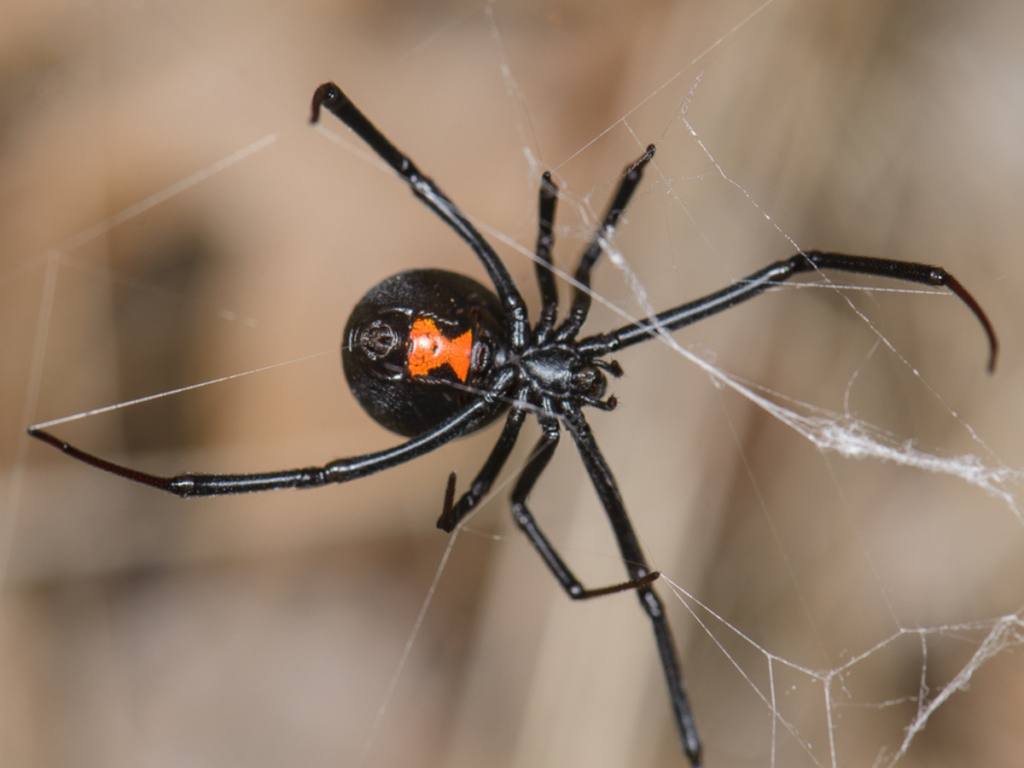
Black widow spiders (Latrodectus species) are distributed worldwide across tropical, subtropical, and temperate regions. They are identifiable by the female’s glossy black body (approximately 10–15mm) and the characteristic red or orange hourglass marking on the underside of the abdomen. Males are significantly smaller and rarely bite.
The black widow bite is immediately painful — a sharp, pin-like sensation followed by spreading pain and a burning quality that intensifies over 30 to 60 minutes. The local wound itself may be inconspicuous — two small red puncture marks — but systemic envenomation (latrodectism) can develop within 30 to 60 minutes.
Systemic symptoms include severe muscle cramps and rigidity (classically in the abdomen, which can mimic appendicitis or acute abdomen), excessive sweating, nausea, headache, hypertension, and in severe cases — particularly in children and elderly patients — cardiovascular instability. Antivenom is available and highly effective when administered early. Symptoms typically begin resolving within three hours of antivenom administration.
3. The Brazilian Wandering Spider (Armed Spider)
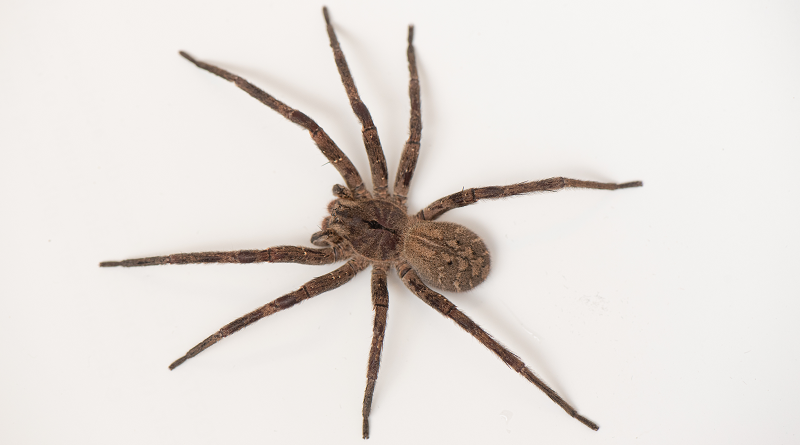
Phoneutria species — known as armed spiders or Brazilian wandering spiders — are found throughout South America and are considered among the most venomous spiders in the world by venom potency. They are large (body up to 4cm, leg span up to 15cm), aggressive when threatened, and adopt a distinctive defensive posture raising their front legs.
The bite causes immediate, intense pain — the most immediately painful of the three species discussed here — followed rapidly by local swelling, redness, and sweating. Systemic effects can include tachycardia, hypertension, excessive salivation, blurred vision, and in severe cases priapism (painful prolonged erection in males, caused by specific venom action on nerve tissue). Children are at highest risk for severe systemic envenomation. Antivenom is available in Brazil and effective for severe cases.
How to Prevent Spider Bites
- Shake out clothing, shoes, and gloves before putting them on — particularly items stored in garages, basements, or outdoor sheds
- Inspect bedding when sleeping in spaces that have been unoccupied for extended periods
- Wear gloves and long sleeves when working in woodpiles, garden debris, or storage areas
- Seal gaps in walls, windows, and door frames to reduce spider access to living spaces
- Remove clutter — stacked boxes, debris piles, and accumulated materials near the home provide ideal hiding habitat for recluse and wandering spiders
- Use sealed plastic containers rather than cardboard boxes for storage — spiders readily nest in cardboard
This article is for informational purposes only and does not replace professional medical advice. If you suspect a bite from a venomous spider, or if any systemic symptoms develop after a spider bite, seek emergency medical care immediately. Bring a photograph of the spider if possible — species identification significantly assists treatment decisions.