
You eat your greens. You take your vitamins. You avoid junk food and make what you genuinely believe are good nutritional choices. And yet you are always tired. Your skin looks dull. You can’t think as clearly as you used to. Your doctor checks your iron levels and tells you they’re low — again. If this sounds familiar, the problem may not be how much iron you eat. It may be what you eat it with.
Iron deficiency is the most widespread nutritional deficiency on the planet, affecting an estimated 2 billion people worldwide according to the World Health Organization. What rarely gets discussed — even in clinical settings — is that some of the foods most associated with healthy eating actively block the body’s ability to absorb iron. Not occasionally. Consistently. And often at the exact moments people consume iron-rich foods.
Here is what is likely happening on your plate — and how to fix it without overhauling your entire diet.
Still Tired, Pale, and Foggy Despite Eating Well? This Food Could Be Blocking Your Iron
You eat your greens. You take your vitamins. You avoid junk food and make what you genuinely believe are good nutritional choices. And yet you are always tired. Your skin looks dull. You can’t think as clearly as you used to. Your doctor checks your iron levels and tells you they’re low — again.
If this sounds familiar, the problem may not be how much iron you eat. It may be what you eat it with.
Iron deficiency is the most widespread nutritional deficiency on the planet, affecting an estimated 2 billion people worldwide according to the World Health Organization. What rarely gets discussed — even in clinical settings — is that some of the foods most associated with healthy eating actively block the body’s ability to absorb iron. Not occasionally. Consistently. And often at the exact moments people consume iron-rich foods.
Here is what is likely happening on your plate — and how to fix it without overhauling your entire diet.
First: Not All Iron Is the Same
Before identifying the blockers, understanding the two forms of dietary iron matters enormously.
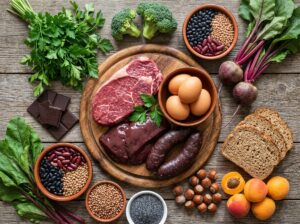
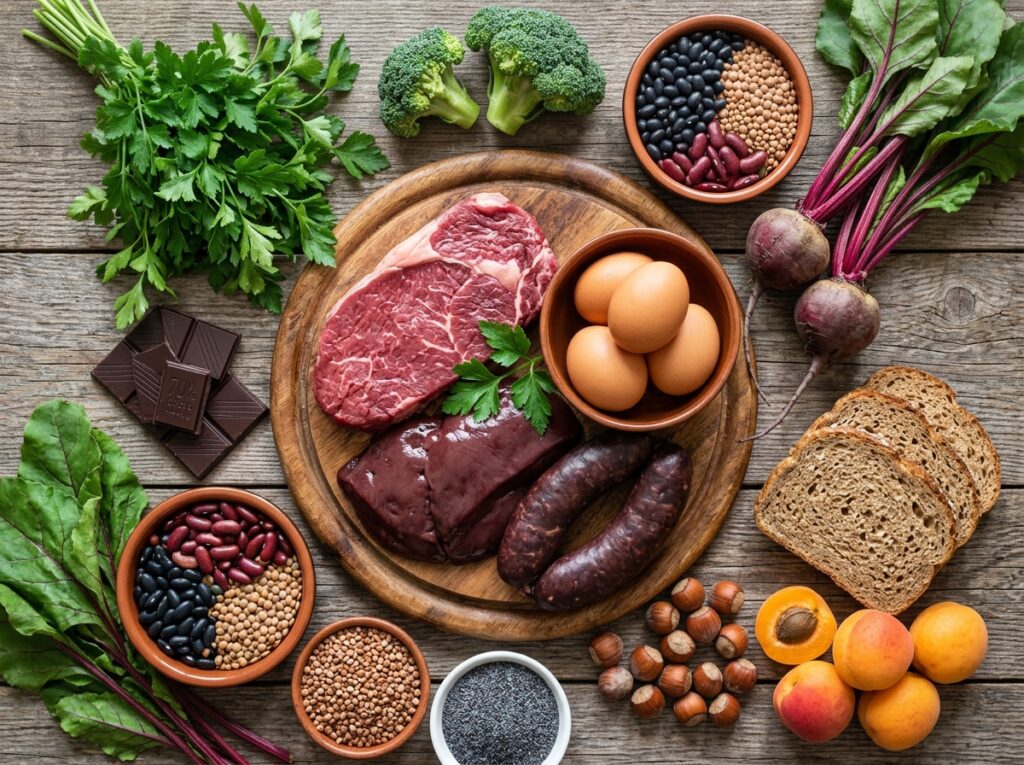
Heme iron comes from animal sources — red meat, poultry, fish, and shellfish. The body absorbs it efficiently, at rates between 15% and 35%, regardless of what else is consumed alongside it.
Non-heme iron comes from plant sources — spinach, lentils, tofu, fortified cereals, beans, and seeds. It is the form most people trying to eat healthily rely on. The problem is that non-heme iron is far more fragile: absorption rates range from just 2% to 20%, and they drop sharply in the presence of certain compounds.
This distinction is critical. The iron blockers described below primarily interfere with non-heme iron — which means they disproportionately affect vegetarians, vegans, and anyone who has reduced their meat consumption in the name of health.
The Main Offender: Your Morning Cup
The single most significant iron absorption blocker that most people consume daily — and consider entirely healthy — is coffee and tea.
Both contain polyphenols and tannins, plant compounds with genuine antioxidant benefits that also bind to non-heme iron in the digestive tract, forming complexes the body cannot absorb. A cup of tea consumed with a meal can reduce iron absorption by up to 64%. Coffee reduces it by approximately 39%, even when consumed one hour after eating.
This is not a reason to abandon coffee or tea. It is a reason to rethink when you drink them.
Consuming coffee or tea at least one hour before or two hours after iron-rich meals preserves absorption almost entirely. Most people do the opposite — they eat breakfast and drink coffee simultaneously, then wonder why their iron levels remain stubbornly low despite eating iron-fortified cereals every morning.
Green tea, herbal teas, and red wine contain the same tannin compounds and produce similar effects. The timing rule applies to all of them.
The Healthy Food with the Biggest Surprise: Spinach
Spinach is perhaps the most famous iron-rich food in popular culture. What most people don’t know is that spinach is simultaneously one of the worst sources of absorbable iron in the human diet.
The reason is oxalic acid — a naturally occurring compound in spinach that binds directly to iron and renders it almost entirely unavailable for absorption. Studies suggest that the iron bioavailability from raw spinach may be as low as 1.7% — making it a nutritionally misleading source despite its high iron content on paper.
Cooking spinach reduces oxalic acid content significantly, improving iron availability. But the broader lesson is more important: iron content listed on a nutrition label tells you how much iron is in a food, not how much your body will actually absorb from it.
Calcium: The Nutrient That Competes Directly
Calcium and iron share the same absorption pathway in the small intestine. When both are present simultaneously, they compete — and calcium, particularly in large amounts, consistently wins.
A glass of milk, a serving of yogurt, a slice of cheese — all healthy foods with genuine nutritional value — can reduce iron absorption by up to 50% when consumed at the same meal as iron-rich foods.
This creates a particular challenge for people who have been advised to increase both calcium and iron intake simultaneously — a common scenario in pregnant women, adolescent girls, and postmenopausal women. Consuming calcium-rich foods and iron-rich foods at separate meals is one of the most practical and underutilized nutritional strategies available.
Calcium supplements carry the same effect. If you take a calcium supplement, take it at a different time of day from your main iron-containing meals.
Phytates: The Whole Grain Problem Nobody Mentions
Whole grains, legumes, seeds, and nuts are celebrated across virtually every dietary framework — Mediterranean, plant-based, anti-inflammatory. They deserve that reputation. They are also significant sources of phytic acid (phytate), a compound that binds to non-heme iron and blocks its absorption.
A high-phytate meal can reduce iron absorption by 50% to 65%. For people who have shifted toward whole-food plant-based eating and replaced meat with lentils, chickpeas, and whole grains as their primary protein and iron sources, the irony is significant: the foods they are eating most are the ones most aggressively blocking the iron within them.
Soaking and sprouting legumes and grains before cooking substantially reduces phytate content. Fermentation — as in sourdough bread — also breaks down phytates effectively. These are not fringe food preparation techniques; they are traditional practices that existed precisely because people understood, intuitively, that preparation mattered.
What Actually Helps: The Vitamin C Effect
The antidote to most iron absorption blockers is vitamin C — and the effect is dramatic.
Consuming vitamin C alongside non-heme iron converts it into a form the body absorbs more readily, increasing uptake by two to four times. This is not a supplement interaction — it works just as effectively from food sources.
Practical combinations that significantly boost iron absorption:
- Lentil soup with a squeeze of lemon juice
- Spinach salad with bell pepper and tomato
- Iron-fortified oatmeal with strawberries
- Beans with salsa or chopped tomato
The vitamin C does not need to be consumed in large amounts. Even modest quantities — the vitamin C in half a bell pepper or a small glass of orange juice — produce a meaningful enhancement when eaten at the same meal as iron-rich food.
A Simple Daily Strategy
You do not need to eliminate coffee, dairy, or whole grains. You need to separate and sequence them more deliberately.
| Time | What to Do |
|---|---|
| Morning | Eat your iron-rich meal first — then wait 1 hour before coffee or tea |
| Meals | Add a vitamin C source to every iron-containing meal |
| Dairy | Consume calcium-rich foods at different meals from iron-rich ones |
| Legumes | Soak, sprout, or ferment before cooking to reduce phytates |
| Supplements | Take iron supplements away from calcium, coffee, and high-fiber meals |
When to See a Doctor
Dietary adjustments improve iron absorption meaningfully — but they cannot fix every situation. See a doctor if you experience persistent fatigue, breathlessness, heart palpitations, or cold hands and feet alongside low iron levels. These symptoms may indicate iron deficiency anemia requiring supplementation or investigation into underlying causes such as poor gut absorption or chronic blood loss.
The Bottom Line
Iron deficiency rarely comes down to not eating enough iron. More often, it comes down to eating iron in ways that make absorption nearly impossible — alongside the very foods most associated with healthy eating.
One timing change. One vitamin C addition. One separated cup of coffee. Small adjustments — made consistently — that can change how your body feels within weeks.
This article is for informational purposes only and does not replace professional medical advice. If you suspect iron deficiency, consult a qualified healthcare professional for proper testing and treatment.