
When illness arrives, the instinct is to simplify. Crackers. Toast. Clear broth. Ginger ale. Foods that feel gentle, easy, non-demanding — as though the body in recovery mode deserves the dietary equivalent of a quiet room.
This instinct is understandable. It is also, from an immunological standpoint, one of the most counterproductive things you can do during the critical days when your body is fighting hardest.
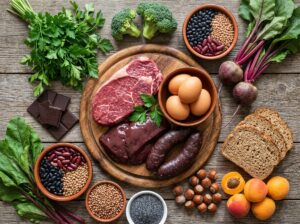
The food most people avoid when they are sick — because it feels heavy, because appetite disappears, because nothing sounds appealing — is protein. And protein is precisely what every immune function occurring inside your body during illness requires as its primary raw material.

What Your Immune System Is Actually Made Of
The immune response is not abstract. It is physical — a cascade of cellular activity that manufactures specific proteins at extraordinary rates.
Antibodies — the molecules your immune system produces to identify and neutralize pathogens — are proteins. Cytokines — the signaling molecules that coordinate immune activity — are proteins. T-cells and B-cells — the adaptive immune cells that learn to recognize specific threats and remember them — are produced through processes that require amino acids at every step. Neutrophils — the frontline immune cells that arrive at infection sites first — are manufactured from protein in bone marrow and have a lifespan of just hours to days, requiring continuous production during active infection.
When you eat protein, your digestive system breaks it into amino acids — the building blocks the body reassembles into every structural and functional protein it needs. During illness, the demand for these amino acids increases dramatically. The body is building more immune cells, producing more antibodies, running more inflammatory and anti-inflammatory processes simultaneously than at any other time.
Where do those amino acids come from when you stop eating protein?
They come from muscle tissue. The body, in the absence of dietary protein, begins breaking down its own lean mass to fuel immune function — a process called catabolism, which is why significant muscle loss accompanies severe or prolonged illness. The fatigue, weakness, and extended recovery time that follow serious infections are partly the cost of catabolism the body could not avoid.
What the Research Shows
A systematic review published in the Journal of Nutrition found that protein deficiency significantly impairs immune function — reducing antibody production, impairing T-cell activity, and decreasing the capacity of natural killer cells to neutralize infected cells. The effect was dose-dependent: the greater the protein deficit, the more pronounced the immune impairment.
A clinical study examining recovery times in hospitalized patients found that adequate protein intake was one of the strongest independent predictors of recovery speed — more predictive than vitamin C supplementation, rest duration, or hydration status in isolation.
Research on athletes — who experience a model of immune stress comparable in some ways to infectious illness — consistently shows that protein intake below 1.2 grams per kilogram of bodyweight during periods of physiological stress extends recovery timelines and increases secondary infection susceptibility. The immune system during illness has the same requirements.
The grandmother who insisted you eat chicken soup was not offering comfort food. She was delivering collagen, gelatin, and amino acids in a format engineered over centuries to be consumable when appetite was minimal — and she was nutritionally correct.
Why Appetite Disappears — and Why You Must Eat Anyway
The loss of appetite during illness is not accidental. It is driven by pro-inflammatory cytokines — particularly interleukin-1 and tumor necrosis factor — that suppress appetite as part of the immune response. The body is redirecting metabolic energy toward fighting the infection and reducing the energy cost of digestion.
This mechanism was useful in an evolutionary context where infections were often followed by extended recovery periods with limited food access anyway. It is less useful in a modern context where protein-rich food is immediately available and the cost of not eating it is extended illness.
Understanding that appetite suppression is a side effect of immune activation — not a reliable signal that the body does not need fuel — is the cognitive shift that changes sick-day eating behavior. You will not feel hungry. You need to eat anyway.
The Best Protein Sources During Illness
The most effective protein sources during illness share common characteristics: they are easily digestible, low in compounds that require significant digestive effort, and high in specific amino acids with direct immune relevance.
Bone broth: The original sick-day food has genuine nutritional justification beyond comfort. Bone broth contains glycine and proline — amino acids used in significant quantities by the immune system — along with glutamine, which serves as the primary fuel source for rapidly dividing immune cells. Its liquid form allows consumption when solid food feels impossible. Make it from actual bones simmered for 8 to 12 hours, or choose commercial versions with verified collagen content.
Eggs: One of the most bioavailable protein sources available, eggs provide a complete amino acid profile with minimal digestive burden. Two eggs deliver 12 grams of high-quality protein in a format that can be scrambled softly or poached — low effort to prepare and consume even with minimal appetite. The yolk also contains zinc and selenium, both directly involved in immune cell function.
Plain Greek yogurt: Combines protein with live probiotic cultures that support gut barrier integrity — relevant because approximately 70% of immune tissue is located in and around the gut. Choose full-fat plain versions to avoid the sugar load of flavored alternatives, which suppresses neutrophil function transiently after consumption.
Canned or poached fish: Salmon, tuna, and sardines are high in protein, rich in omega-3 fatty acids that reduce excessive inflammatory response, and require almost no preparation. A can of tuna with a small amount of plain yogurt in place of mayonnaise provides 25 to 30 grams of protein in under two minutes.
Chicken: The most studied protein source in the context of illness. Beyond the chicken soup effect — which includes anti-inflammatory compounds in the broth and the practical benefit of delivering protein in liquid form — chicken breast provides approximately 31 grams of protein per 100 grams at minimal digestive cost.
The Foods That Make Recovery Slower
The default sick-day diet — crackers, white toast, sports drinks, orange juice — is almost entirely carbohydrate-based, provides essentially no amino acids for immune function, and includes several elements that actively impair recovery.
Sugar suppresses neutrophil activity. Studies from the 1970s demonstrated that consuming 100 grams of glucose — the amount in a large glass of orange juice — reduced the capacity of neutrophils to engulf and destroy bacteria by up to 50% for several hours post-consumption. This effect has been replicated in subsequent research and applies to all simple sugars, including fructose from fruit juice.
Crackers and white bread provide calories without the amino acids the immune system requires. They are not harmful in themselves, but in a context of already-suppressed appetite, eating them instead of protein is a significant opportunity cost.
Insufficient hydration impairs mucosal immunity — the physical barrier of the respiratory and digestive tracts — and reduces the transport efficiency of immune cells. Water, clear broths, and herbal teas are appropriate; sugary beverages are not.
A Practical Sick-Day Protocol
When appetite is minimal and food is unappealing, the goal is not to eat large meals. It is to consume adequate amino acids in the smallest, most digestible format possible:
Every 3 to 4 hours, aim for one of the following:
- A cup of bone broth
- Two soft-scrambled or poached eggs
- A small bowl of plain Greek yogurt
- A small portion of poached or canned fish
- Half a cup of cottage cheese
Hydrate continuously with water and unsweetened herbal teas. Avoid fruit juices, sports drinks, and sugary foods entirely. Rest. Sleep as much as possible — growth hormone released during sleep supports immune function and tissue repair simultaneously.
The Bottom Line
Your immune system is a protein-dependent manufacturing operation running at maximum capacity during illness. The instinct to eat lightly, rest the digestive system, and avoid “heavy” foods is physiologically misaligned with what that operation requires.
Toast does not build antibodies. Crackers do not manufacture T-cells. Protein does — and eating it consistently during illness is one of the most direct, evidence-supported interventions for shorter, less severe recovery.
The food that feels hardest to eat when you are sick is the one your body needs most. That inconvenience is worth overcoming.
This article is for informational purposes only and does not replace professional medical advice. If you are experiencing severe illness, inability to eat, or symptoms that worsen rather than improve, consult a qualified healthcare professional.