

Depression is more than feeling sad after a difficult day. It is a mental health condition that can affect mood, energy, sleep, appetite, concentration, relationships, work, and the ability to enjoy everyday life.
Some people with depression feel persistently sad, while others mainly experience exhaustion, irritability, emotional numbness, loss of motivation, or physical discomfort. Because symptoms vary from person to person, depression is not always easy to recognize.
The good news is that depression is treatable. Psychotherapy, medication, lifestyle support, or a combination of approaches can help many people manage their symptoms and improve their quality of life.
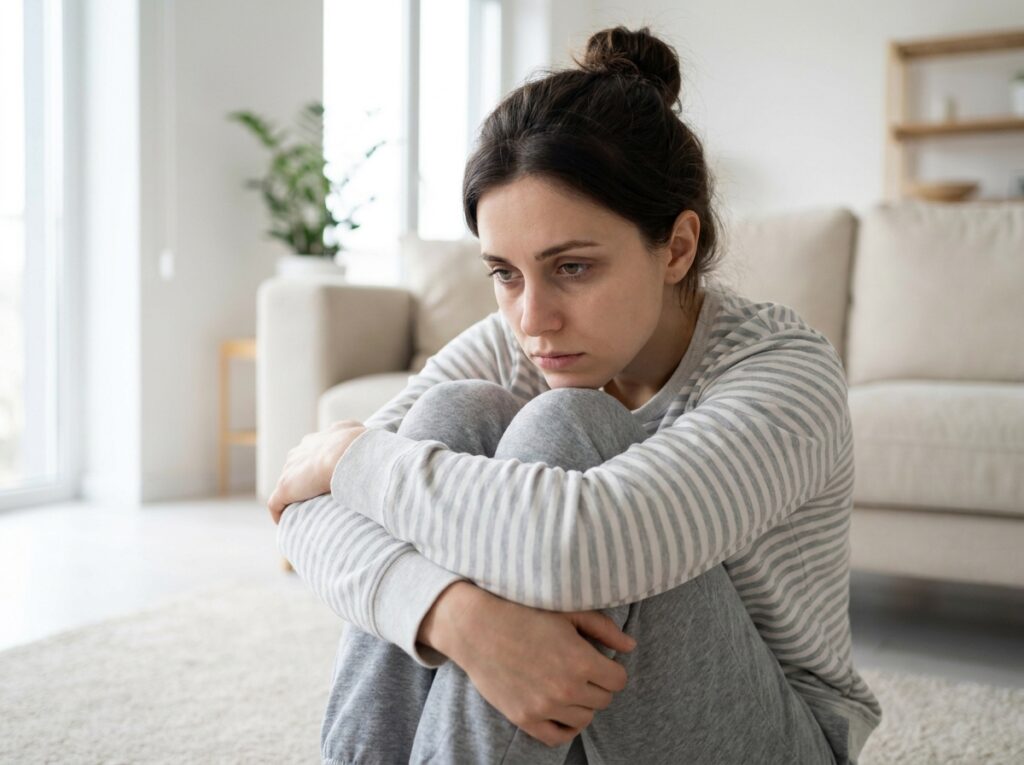
In this guide, you will learn what depression is, its most common symptoms and causes, how online depression tests work, which treatments are available, and when it is important to seek professional help.
Medical disclaimer: This article is for educational purposes only and does not replace diagnosis, treatment, or advice from a qualified healthcare or mental health professional.
What Is Depression?
Depression, also known as depressive disorder, is a mental health condition that causes a persistent low mood, loss of interest or pleasure, or both.
These symptoms may begin to interfere with everyday activities. A person may struggle to work, study, maintain relationships, take care of the home, exercise, sleep properly, or enjoy activities they previously liked.
Depression is different from temporary sadness.
Sadness is a normal emotional response to grief, disappointment, stress, conflict, or a major life change. In many cases, it gradually becomes less intense.
Depression is usually more persistent and affects several areas of a person’s life. It may develop after a stressful event, but it can also appear without a clear reason.
What Are the Symptoms of Depression?
Depression does not affect everyone in the same way.
Some people sleep too much, while others cannot sleep. Some lose their appetite, while others eat more than usual. Some appear visibly sad, while others continue working and socializing despite feeling emotionally exhausted.
Symptoms may be emotional, cognitive, physical, behavioral, or social.
Emotional Symptoms of Depression
Common emotional symptoms include:
- Persistent sadness;
- Feelings of emptiness;
- Hopelessness or pessimism;
- Irritability or frustration;
- Frequent crying;
- Emotional numbness;
- Excessive guilt;
- Feelings of worthlessness;
- Loss of pleasure in activities;
- Feeling disconnected from other people.
Not everyone with depression looks sad. Some people may smile, work, care for their families, and maintain their daily routine while privately struggling.
Cognitive Symptoms of Depression
Depression can affect concentration, memory, and decision-making.
Possible cognitive symptoms include:
- Difficulty concentrating;
- Trouble making decisions;
- Forgetfulness;
- Slower thinking;
- Persistent self-criticism;
- Negative thoughts about the future;
- Feelings of failure;
- Difficulty solving simple problems;
- Thoughts about death or self-harm.
These symptoms can make normal responsibilities feel confusing or overwhelming.
Physical Symptoms of Depression
Although depression is a mental health condition, it can also cause physical symptoms.
These may include:
- Persistent fatigue;
- Low energy;
- Headaches;
- Muscle tension;
- Digestive discomfort;
- Unexplained aches and pains;
- Changes in appetite;
- Unplanned weight loss or weight gain;
- Difficulty falling asleep;
- Waking up too early;
- Sleeping more than usual;
- Reduced interest in sex;
- Slower movement or speech;
- Restlessness or agitation.
Physical symptoms should not automatically be attributed to depression. Persistent or unexplained symptoms may require a medical evaluation to rule out another condition.
Behavioral and Social Symptoms
A person experiencing depression may begin to:
- Avoid friends and family;
- Cancel plans frequently;
- Spend more time in bed;
- Stop exercising;
- Lose interest in hobbies;
- Neglect personal hygiene;
- Miss work or school;
- Ignore calls and messages;
- Use alcohol or other substances more frequently;
- Struggle to complete routine tasks.
These changes may develop slowly and may be noticed first by relatives, friends, or coworkers.
How Long Do Depression Symptoms Last?
Feeling sad for a few days does not necessarily mean that someone has depression.
In major depressive disorder, symptoms generally occur most of the day, nearly every day, for at least two weeks.
However, duration is only one part of the evaluation. A healthcare professional may also consider:
- The number of symptoms;
- The severity of the symptoms;
- How symptoms affect daily life;
- The person’s medical history;
- Current medications;
- Alcohol or substance use;
- Recent stressful events;
- Other physical or mental health conditions.
Some depressive episodes last for weeks or months. Others may return at different times throughout a person’s life.
What Does Depression Feel Like?
People may describe depression as:
- Carrying a heavy emotional weight;
- Feeling tired even after sleeping;
- Being unable to enjoy anything;
- Feeling distant from friends and family;
- Moving through life on “autopilot”;
- Knowing what needs to be done but being unable to begin;
- Believing that nothing will improve;
- Feeling guilty for not being happier;
- Feeling emotionally empty instead of sad.
A person may appear successful, cheerful, or productive and still experience significant depression.
What Causes Depression?
Depression usually does not have one single cause.
It may develop through a combination of genetic, biological, psychological, medical, environmental, and social factors.
Genetics and Family History
Having a close family member with depression may increase a person’s likelihood of developing the condition.
However, having a family history does not mean that depression is inevitable. People without a known family history can also develop it.
Stressful or Traumatic Experiences
Depression may develop after experiences such as:
- The death of someone close;
- Divorce or separation;
- Job loss;
- Financial problems;
- Abuse or trauma;
- Serious illness;
- Family conflict;
- Social isolation;
- Caregiving stress;
- Major life transitions.
Long-term stress may be especially harmful when a person has limited emotional support or few opportunities to rest and recover.
Chronic Medical Conditions
Living with chronic pain, diabetes, heart disease, cancer, disability, or another long-term condition may increase emotional strain.
Depression may also make it more difficult to follow treatment plans, exercise, eat regularly, attend appointments, or manage an existing health condition.
Hormonal Changes
Hormonal changes may influence mood during:
- Pregnancy;
- The postpartum period;
- Menstrual cycles;
- Perimenopause;
- Menopause;
- Thyroid disorders.
A healthcare professional may recommend an evaluation to determine whether hormonal or other physical factors are contributing to the symptoms.
Medications
Certain medications may affect mood in some individuals.
Anyone who notices depressive symptoms after starting a new medication or changing a dose should speak with the prescribing professional.
Medication should not be stopped suddenly without medical guidance.
Alcohol and Substance Use
Alcohol and recreational drugs may worsen mood, anxiety, sleep, concentration, and impulsive behavior.
Some people use substances to temporarily escape emotional distress. However, this can create a cycle in which depression becomes more difficult to manage.
Social Isolation and Loneliness
A lack of meaningful social connection may contribute to poor mental health.
Depression can also cause a person to withdraw from others, creating a cycle:
- The person feels tired or emotionally low;
- They avoid social contact;
- They receive less emotional support;
- Their loneliness and depressive symptoms become worse.
Sleep Problems
Insomnia, irregular sleep schedules, fragmented sleep, and other sleep problems may affect mood and energy.
Sleep disruption can be both a possible contributor to depression and a symptom of the condition.
Psychological Factors
Certain psychological patterns may increase vulnerability to depression, including:
- Persistent self-criticism;
- Perfectionism;
- Low self-esteem;
- Constant rumination;
- Difficulty coping with uncertainty;
- Feeling unable to control important areas of life.
These patterns are not personal failures. Many of them can be addressed through psychotherapy.
Can Depression Happen Without a Clear Reason?
Yes.
Some people develop depression without identifying one specific event that caused it.
The condition may result from several interacting factors rather than one obvious trigger. A person does not need to understand exactly why they feel depressed before seeking help.
Common Types of Depression
Depression can appear in several forms.
Major Depressive Disorder
Major depressive disorder causes significant symptoms that interfere with daily functioning.
A person may experience one depressive episode or several episodes throughout life.
Persistent Depressive Disorder
Persistent depressive disorder involves a depressed mood that continues for a long period.
The symptoms may be less intense than those of a major depressive episode, but they can still have a considerable effect on quality of life.
Seasonal Affective Disorder
Seasonal affective disorder follows a seasonal pattern, often beginning during fall or winter.
Possible symptoms include:
- Low energy;
- Increased sleep;
- Appetite changes;
- Reduced motivation;
- Social withdrawal;
- Loss of interest in normal activities.
Perinatal and Postpartum Depression
Depression can develop during pregnancy or after childbirth.
Postpartum depression is more severe and persistent than the temporary emotional changes commonly known as the “baby blues.”
Professional evaluation is important because symptoms can affect both the parent and the baby.
Depression Related to a Medical Condition
Some illnesses, hormonal disorders, chronic health problems, or medication effects may contribute to depressive symptoms.
A medical evaluation can help identify or rule out these possible causes.
Depression in Bipolar Disorder
Bipolar disorder can include depressive episodes, but its treatment may differ from treatment for major depressive disorder.
A person should tell a healthcare professional about any history of:
- Unusually elevated mood;
- Greatly increased energy;
- Reduced need for sleep;
- Racing thoughts;
- Impulsive behavior;
- Unusually rapid speech.
These may be signs of mania or hypomania and can affect treatment decisions.
Can Depression Cause Physical Pain?
Yes. Depression can be associated with headaches, back pain, muscle aches, digestive problems, and generalized physical discomfort.
However, new, severe, or persistent pain should be evaluated by a healthcare professional.
Not every physical symptom is caused by depression.
Can You Have Depression and Still Function Normally?
Yes.
Some people continue working, caring for children, attending social events, and completing daily responsibilities while experiencing depression.
This is sometimes informally described as “high-functioning depression,” although this term is not an official medical diagnosis.
Being able to function does not mean that a person is not suffering or does not need support.
How Is Depression Diagnosed?
There is no single blood test or brain scan that confirms most cases of depression.
Diagnosis usually involves a clinical evaluation. A healthcare professional may ask about:
- Mood;
- Sleep;
- Appetite;
- Energy;
- Concentration;
- Motivation;
- Daily functioning;
- Medical history;
- Current medications;
- Alcohol or drug use;
- Family history;
- Thoughts of self-harm or suicide.
A doctor may also request tests to investigate other possible causes of the symptoms, such as:
- Thyroid problems;
- Anemia;
- Sleep disorders;
- Vitamin deficiencies;
- Medication side effects;
- Other medical conditions.
Can an Online Depression Test Diagnose You?
No.
Online depression tests may help identify symptoms that deserve attention, but they cannot provide a definitive diagnosis.
A high score does not automatically prove that someone has depression. A low score also does not guarantee that everything is fine.
The result should be considered together with the person’s symptoms, medical history, daily functioning, and professional evaluation.
What Is the PHQ-9 Depression Test?
The Patient Health Questionnaire-9, commonly known as the PHQ-9, is a screening tool used to measure depressive symptoms.
It asks how frequently a person has experienced nine different symptoms during the previous two weeks.
The questions cover areas such as:
- Loss of interest or pleasure;
- Feeling depressed or hopeless;
- Sleep problems;
- Low energy;
- Appetite changes;
- Feelings of failure or worthlessness;
- Difficulty concentrating;
- Slowed movement or unusual restlessness;
- Thoughts of death or self-harm.
Scores range from 0 to 27.
They are commonly interpreted as:
- 0–4: Minimal symptoms;
- 5–9: Mild symptoms;
- 10–14: Moderate symptoms;
- 15–19: Moderately severe symptoms;
- 20–27: Severe symptoms.
These categories describe symptom severity. They do not establish a diagnosis on their own.
What Should You Do After an Online Depression Test?
Consider speaking with a healthcare professional when:
- The result suggests moderate or severe symptoms;
- Symptoms have lasted for two weeks or longer;
- Work, school, relationships, or self-care are being affected;
- Symptoms are becoming worse;
- You are using alcohol or substances to cope;
- You remain concerned despite receiving a low score;
- You have thoughts of death, self-harm, or suicide.
Any response indicating possible self-harm or suicidal thoughts should be taken seriously, regardless of the total score.
How Is Depression Treated?
Treatment depends on several factors, including:
- The severity of symptoms;
- Medical history;
- Personal preferences;
- Safety concerns;
- Previous treatment response;
- Other physical or mental health conditions.
The main treatment options include psychotherapy, medication, lifestyle support, or a combination of approaches.
Psychotherapy for Depression
Psychotherapy helps people understand and change patterns involving thoughts, emotions, behaviors, and relationships.
Cognitive Behavioral Therapy
Cognitive behavioral therapy, or CBT, helps identify unhelpful thoughts and behaviors.
It may help a person:
- Recognize negative thinking patterns;
- Develop more balanced thoughts;
- Improve problem-solving skills;
- Gradually return to meaningful activities;
- Build healthier coping strategies.
Behavioral Activation
Behavioral activation focuses on gradually increasing activities connected with pleasure, accomplishment, relationships, or personal values.
The goal is to begin with small actions rather than waiting for motivation to return first.
For example, a person may begin by taking a short walk, answering one message, preparing one meal, or completing one small household task.
Interpersonal Therapy
Interpersonal therapy focuses on relationships, grief, conflict, social roles, and major life transitions.
Other possible approaches include:
- Supportive therapy;
- Group therapy;
- Family therapy;
- Couples therapy;
- Trauma-focused therapy;
- Problem-solving therapy.
Medications for Depression
Antidepressant medications may be recommended for moderate or severe depression, recurring episodes, or symptoms that have not improved sufficiently with other approaches.
Common categories include:
- Selective serotonin reuptake inhibitors;
- Serotonin-norepinephrine reuptake inhibitors;
- Atypical antidepressants;
- Tricyclic antidepressants;
- Monoamine oxidase inhibitors.
The choice of medication depends on factors such as:
- The person’s symptoms;
- Other health conditions;
- Possible side effects;
- Interactions with other medications;
- Pregnancy or breastfeeding;
- Previous treatment response;
- Personal preferences.
Antidepressants may take time to produce noticeable improvement.
They should not be started, stopped, or adjusted without professional guidance.
Are Antidepressants Addictive?
Most antidepressants are not considered addictive in the same way as alcohol, nicotine, opioids, or certain sedative medications.
However, suddenly stopping some antidepressants can cause discontinuation symptoms.
For this reason, the dose is often reduced gradually under medical supervision.
Can Lifestyle Changes Help With Depression?
Lifestyle changes can support mental health treatment, but they should not automatically replace professional care.
For moderate, severe, persistent, or worsening depression, lifestyle advice alone may not be enough.
Maintain a Consistent Sleep Schedule
Try to wake up and go to bed at approximately the same times each day.
Spending the entire day in bed may further disrupt the sleep cycle and reduce activity.
Move Your Body Regularly
Physical activity may support mood, energy, sleep, and overall health.
Possible activities include:
- Walking;
- Stretching;
- Cycling;
- Swimming;
- Dancing;
- Strength training;
- Short home exercise sessions.
The activity should be appropriate for the person’s health, fitness level, and physical ability.
Eat Regular Meals
Depression may reduce appetite or contribute to emotional eating.
Simple, balanced, and regular meals can help maintain energy and make daily self-care more manageable.
Reduce Alcohol Consumption
Alcohol may temporarily numb difficult emotions, but it can worsen sleep, mood, anxiety, concentration, and impulsive behavior.
Stay Socially Connected
Large social events may feel overwhelming during depression.
Smaller forms of connection may be easier, such as:
- Sending a message;
- Calling a trusted person;
- Taking a short walk with someone;
- Attending a support group;
- Spending time in a shared space.
Break Large Tasks Into Smaller Steps
Large responsibilities may feel impossible during depression.
Instead of trying to complete everything at once, begin with one small action.
For example, replace “clean the entire house” with “put five items away.”
Small steps still count as progress.
How Long Does Depression Treatment Take to Work?
There is no single timeline that applies to everyone.
Some people notice improvement within a few weeks. Others need more time, medication adjustments, a different therapist, or a combination of treatments.
Recovery is not always linear. Difficult days can still occur even when treatment is helping.
Regular follow-up allows healthcare professionals to evaluate progress and adjust the treatment plan when necessary.
Can Depression Go Away Without Treatment?
Some depressive episodes improve over time, but it is difficult to predict whose symptoms will resolve and whose will persist or worsen.
Waiting without support may be risky when:
- Symptoms are severe;
- Daily functioning is declining;
- The person is becoming increasingly isolated;
- Alcohol or substance use is increasing;
- Thoughts of self-harm or suicide are present.
Seeking help early may reduce suffering and prevent symptoms from becoming more serious.
When Should You Seek Professional Help?
Consider scheduling an evaluation when:
- Symptoms have lasted for at least two weeks;
- You have lost interest in activities you previously enjoyed;
- Your sleep or appetite has changed significantly;
- You are struggling to work, study, or care for yourself;
- You feel hopeless, worthless, or persistently guilty;
- Fatigue is interfering with daily life;
- Friends or family members have noticed changes;
- You are using more alcohol or other substances;
- You frequently think about death;
- You are unsure whether your symptoms are emotional, physical, or both.
A primary care doctor can be a good starting point.
You may also contact a psychologist, psychiatrist, licensed counselor, clinical social worker, or another qualified mental health professional.
When Is Depression an Emergency?
Urgent help is necessary when someone:
- Is thinking about suicide;
- Has created a suicide plan;
- Has access to the planned method;
- Has recently attempted self-harm;
- Cannot remain safe alone;
- Is experiencing severe confusion or agitation;
- Is hearing voices or losing contact with reality;
- Has stopped eating, drinking, or performing essential self-care.
In the United States, call or text 988 to reach the Suicide & Crisis Lifeline.
In an immediate life-threatening emergency, call 911 or go to the nearest emergency department.
People outside the United States should contact their local emergency number or crisis service.
How to Help Someone With Depression
You do not need to have perfect words.
Helpful actions may include:
- Listening without judgment;
- Taking the person’s feelings seriously;
- Avoiding phrases such as “just be positive”;
- Offering specific help;
- Encouraging professional support;
- Helping schedule an appointment;
- Checking in regularly;
- Asking directly about suicide when concerned;
- Contacting emergency services when immediate danger is present.
Being present, listening, and taking the situation seriously can make an important difference.
Frequently Asked Questions
Is depression permanent?
Not necessarily. Many people improve significantly with appropriate treatment and support.
Some people experience one episode, while others may have recurring symptoms that require longer-term care.
Can depression make you feel tired all day?
Yes. Persistent fatigue and low energy are common symptoms.
However, anemia, thyroid problems, sleep apnea, infections, medication effects, and nutritional deficiencies may also cause fatigue.
Can depression cause memory problems?
Depression may interfere with concentration, attention, and information processing. This can feel like memory loss.
New, severe, or worsening cognitive symptoms should be evaluated by a healthcare professional.
Can depression cause anger?
Yes. Some people experience irritability, frustration, impatience, or anger more strongly than sadness.
Can you be depressed without crying?
Yes.
Crying is not required for depression. Some people mainly feel numb, tired, disconnected, irritated, or unmotivated.
Is an online depression test accurate?
A validated screening test may help identify symptoms, but it cannot replace a professional diagnosis.
What Is the Best Treatment for Depression?
There is no single treatment that is best for everyone.
Psychotherapy, medication, lifestyle support, or a combination of approaches may be recommended depending on the person’s symptoms, health history, preferences, and safety needs.
Final Thoughts
Depression is a serious but treatable mental health condition.
It can affect mood, sleep, appetite, concentration, physical health, relationships, productivity, and the ability to enjoy everyday life.
Online tests may help identify symptoms, but they cannot determine the full cause of a person’s difficulties or replace professional evaluation.
Treatment may involve psychotherapy, medication, lifestyle support, or a combination of approaches.
Depression is not a sign of weakness or personal failure. Seeking professional help is an important and practical step toward recovery.
Meta description: Learn what depression is, its main symptoms and causes, how an online depression test works, and which treatment options may help.