Every meal you eat either increases inflammation in your joints or helps reduce it. There is no neutral. The foods you choose three times a day are either working as medicine for your arthritis — or quietly making it worse. This isn’t a theory. It’s biochemistry.
Arthritis and osteoarthritis are both driven, at their core, by inflammation. Rheumatoid arthritis involves an autoimmune inflammatory response attacking joint tissue. Osteoarthritis, the most common form, involves the gradual breakdown of cartilage — a process that is significantly accelerated by systemic inflammation. What you eat directly influences the level of inflammatory compounds circulating in your bloodstream and reaching your joints every single day.
The right diet won’t cure arthritis. But study after study confirms it can meaningfully reduce pain, improve mobility, slow joint deterioration, and in some cases reduce the need for medication. Here’s exactly what that diet looks like.
The Anti-Inflammatory Foods That Fight Arthritis
Fatty Fish
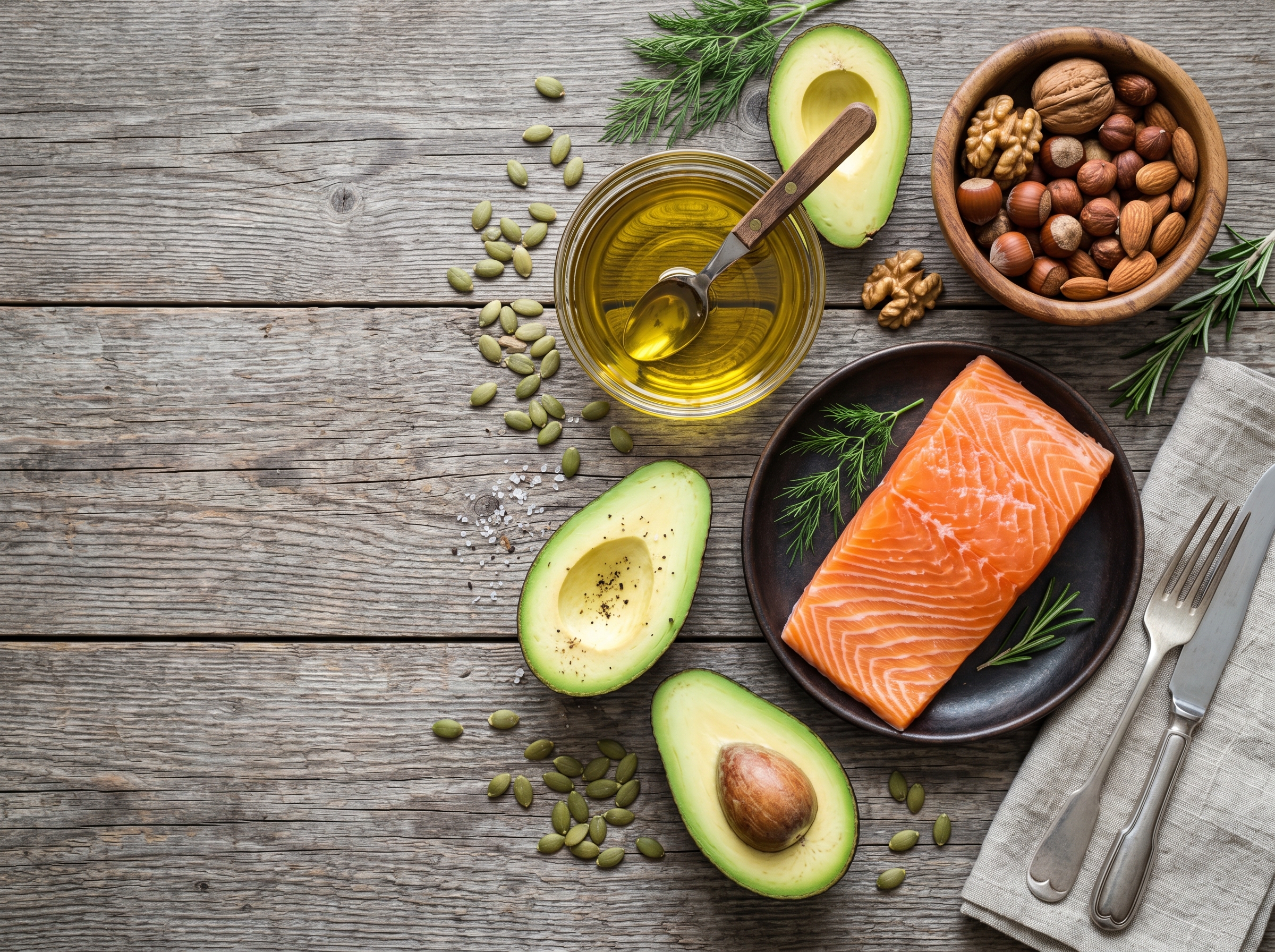
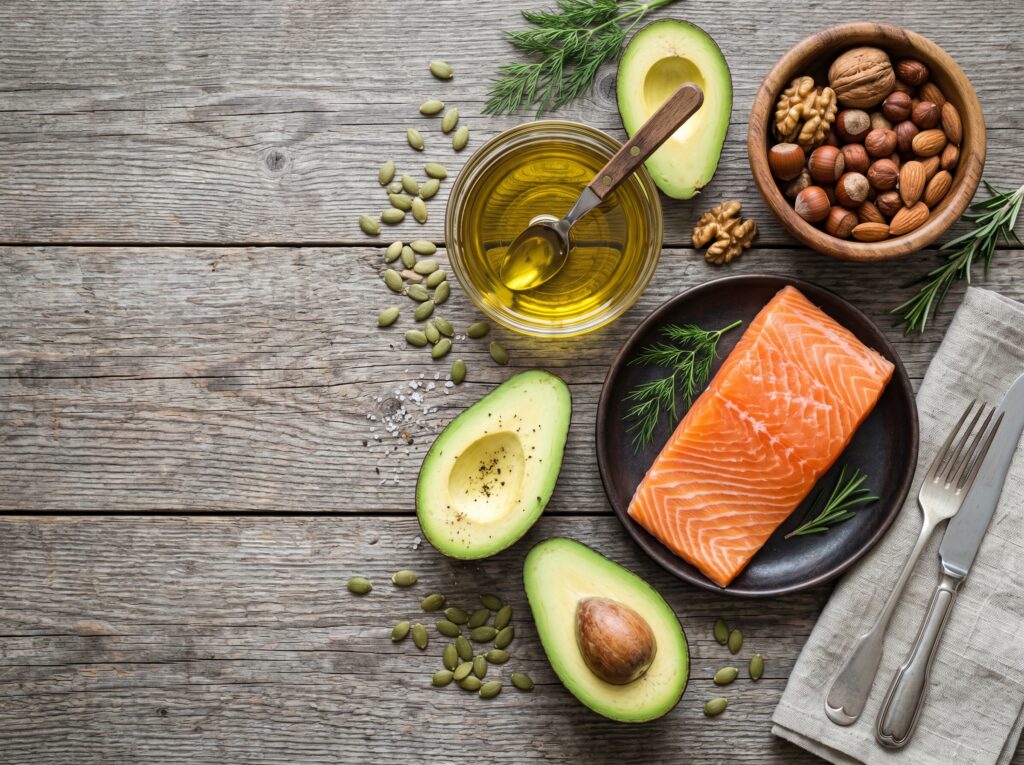
Salmon, sardines, mackerel, herring, and trout are among the most powerful anti-inflammatory foods known to science. They’re rich in omega-3 fatty acids — specifically EPA and DHA — which directly suppress the production of inflammatory cytokines and prostaglandins that drive joint pain and swelling.
A landmark study in the Annals of Rheumatic Diseases found that people who ate fish twice or more per week had significantly lower rates of rheumatoid arthritis progression. For osteoarthritis, omega-3s have been shown to slow cartilage degradation at the cellular level.
Aim for two to three servings of fatty fish per week. If fish isn’t part of your regular diet, high-quality fish oil supplementation (2–3 grams of EPA+DHA daily) offers comparable benefits.
Extra Virgin Olive Oil
The Mediterranean diet — consistently ranked as the most anti-inflammatory dietary pattern in scientific literature — is built on extra virgin olive oil. It contains oleocanthal, a compound that inhibits the same inflammatory enzymes targeted by ibuprofen. Regular consumption is associated with reduced joint pain, lower inflammatory markers, and improved physical function in arthritis patients.
Use extra virgin olive oil as your primary cooking fat. Drizzle it over vegetables, use it in dressings, and replace butter with it where possible. Avoid heating it to very high temperatures, which degrades its beneficial compounds.
Colorful Vegetables and Fruits
The pigments that give berries, cherries, leafy greens, and bell peppers their vivid colors are antioxidants — compounds that neutralize the free radicals driving oxidative stress and joint inflammation.
Cherries deserve special mention: they contain anthocyanins that have been shown in multiple studies to reduce gout flares and lower uric acid levels. Blueberries, strawberries, spinach, kale, broccoli, and red bell peppers are all exceptional choices. Aim for at least five servings of varied colors daily.
Turmeric and Ginger
These two spices are pharmacologically active anti-inflammatories. Curcumin — turmeric’s active compound — has been compared directly to NSAIDs in clinical trials for osteoarthritis pain, with comparable effectiveness and significantly fewer gastrointestinal side effects. Ginger’s gingerols and shogaols inhibit inflammatory pathways at the molecular level.
Add turmeric to soups, curries, and golden milk. Always combine with black pepper, which increases curcumin absorption by up to 2,000%. Use fresh or powdered ginger in teas, stir-fries, and smoothies daily.
Nuts and Seeds
Walnuts, almonds, flaxseeds, and chia seeds provide omega-3 fatty acids, vitamin E, and magnesium — all of which reduce inflammatory markers. Walnuts in particular have one of the highest plant-based omega-3 contents of any food. A small handful daily is a simple, effective anti-inflammatory habit.
Legumes
Lentils, chickpeas, black beans, and kidney beans are rich in fiber — which feeds beneficial gut bacteria that produce short-chain fatty acids with systemic anti-inflammatory effects. Emerging research consistently links gut microbiome health with arthritis severity. Legumes also provide plant-based protein that supports muscle mass around joints, reducing the mechanical load on cartilage.
Green Tea
Green tea contains EGCG — a polyphenol that has been shown in laboratory studies to block the production of molecules that damage cartilage in osteoarthritis. Regular consumption (two to three cups daily) is associated with lower inflammatory markers and may slow joint deterioration over time.
The Foods That Feed Your Arthritis
Ultra-Processed Foods
Packaged snacks, fast food, frozen meals, processed meats, and refined grain products are loaded with refined carbohydrates, trans fats, and industrial seed oils — all of which directly stimulate inflammatory pathways. They trigger spikes in blood sugar that release pro-inflammatory cytokines, and their omega-6 to omega-3 ratio is wildly imbalanced in ways that amplify inflammation throughout the body.
If there is one single dietary change that produces the most measurable reduction in joint pain, it is reducing ultra-processed food consumption. The effect is documented, consistent, and often noticed within two to four weeks.
Sugar and Refined Carbohydrates
Sugar is one of the most potent dietary drivers of inflammation. It stimulates the release of cytokines, contributes to obesity (which dramatically increases mechanical stress on joints), and feeds inflammatory gut bacteria. White bread, white rice, pastries, sweetened drinks, and added sugars in all forms accelerate inflammatory processes that worsen both rheumatoid arthritis and osteoarthritis.
This doesn’t mean eliminating all carbohydrates — it means replacing refined carbohydrates with whole grains: oats, brown rice, quinoa, and whole grain bread, which have the opposite effect on inflammation.
Red and Processed Meat
Red meat — particularly processed varieties like sausage, bacon, and deli meats — contains high levels of saturated fat and advanced glycation end products (AGEs), compounds that trigger inflammatory responses in joint tissue. Studies link high red meat consumption with elevated inflammatory markers and increased arthritis severity.
This doesn’t require complete elimination. Reducing red meat to one or two servings per week while increasing fish, legumes, and plant proteins is a realistic and effective adjustment.
Alcohol
Alcohol increases intestinal permeability — commonly called “leaky gut” — which allows bacterial toxins to enter the bloodstream and trigger systemic inflammation. It also raises uric acid levels, directly worsening gout and increasing crystal deposits in joints. Even moderate alcohol consumption is associated with higher inflammatory markers in arthritis patients.
Vegetable and Seed Oils High in Omega-6
Corn oil, soybean oil, sunflower oil, and vegetable oil blends are extremely high in omega-6 fatty acids. While omega-6s are essential in balance, the modern diet already contains them in excess — creating an inflammatory imbalance that omega-3s cannot compensate for. Replace these oils with extra virgin olive oil, avocado oil, or coconut oil for cooking.
A Simple 3-Day Anti-Inflammatory Meal Plan
Day 1
- Breakfast: Greek yogurt with blueberries, walnuts, and a drizzle of honey
- Lunch: Grilled salmon over spinach salad with olive oil and lemon dressing
- Dinner: Lentil and vegetable soup with turmeric and ginger, whole grain bread
- Snack: Apple with almond butter
Day 2
- Breakfast: Oatmeal with chia seeds, sliced strawberries, and cinnamon
- Lunch: Chickpea and roasted vegetable bowl with tahini and olive oil
- Dinner: Baked mackerel with roasted sweet potato and steamed broccoli
- Snack: Handful of mixed nuts and green tea
Day 3
- Breakfast: Scrambled eggs with spinach, turmeric, and whole grain toast
- Lunch: Quinoa bowl with black beans, avocado, red bell pepper, and lime
- Dinner: Stir-fried tofu with ginger, garlic, bok choy, and brown rice
- Snack: Cherries or a small bowl of mixed berries
How Long Until You Feel a Difference?
Dietary changes for arthritis are not instant — but they are measurable. Most people report noticeable reductions in morning stiffness and joint discomfort within three to six weeks of consistent anti-inflammatory eating. Inflammatory blood markers (CRP, ESR) typically begin improving within four to eight weeks.
The key word is consistent. A single anti-inflammatory meal has little impact. A sustained pattern of anti-inflammatory eating reshapes the biochemical environment your joints live in — day after day, meal after meal.
The Bottom Line
Arthritis may be a condition you manage for life — but diet gives you a powerful, daily tool for managing it better. Every meal is an opportunity to reduce the inflammation driving your pain, protect remaining cartilage, and move with greater comfort.
Your fork is already in your hand. The question is which direction you point it.
This article is for informational purposes only and does not replace professional medical advice. Arthritis management requires accurate diagnosis and personalized treatment. Consult a rheumatologist or registered dietitian before making significant dietary changes, particularly if you are on immunosuppressant medications, biologics, or anticoagulants.