
There is a persistent and damaging myth at the center of most belly fat advice: that abdominal exercises reduce abdominal fat. They do not. Sit-ups strengthen the muscles beneath fat. They do not touch the fat itself, and they have no measurable effect on visceral fat — the metabolically dangerous adipose tissue packed around internal organs that drives insulin resistance, cardiovascular disease, and chronic inflammation.
The exercises with clinical evidence for visceral fat reduction work systemically, not locally. They change the hormonal environment across the entire body — lowering cortisol, improving insulin sensitivity, increasing resting metabolic rate, and directly mobilizing stored fat for energy.
The specific type, intensity, and duration of exercise determines which of these mechanisms activates and how powerfully.
Why Visceral Fat Requires a Different Approach
Visceral fat cells are metabolically distinct from subcutaneous fat. They are more responsive to catecholamines — the hormones released during aerobic exercise and high-intensity effort — and more sensitive to insulin’s fat-storage signal. This creates a clear strategic implication: exercises that raise catecholamines and improve insulin sensitivity directly target the fat that matters most.
A landmark study published in Obesity Reviews analyzed 35 randomized controlled trials on exercise and visceral fat. The finding: aerobic exercise produced the greatest visceral fat reduction of any exercise modality, followed by combined aerobic and resistance training. Neither stretching alone nor low-intensity activity produced statistically significant effects on visceral fat specifically.
1. Walking
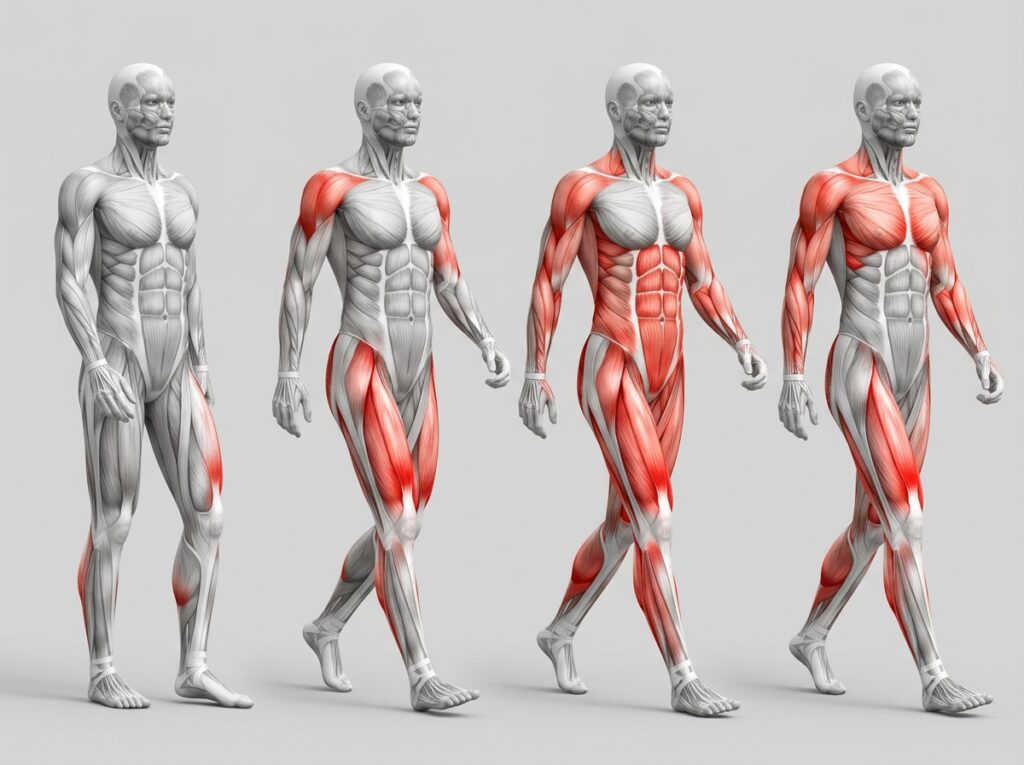
Walking is one of the simplest and safest exercises for weight loss.
It may help:
- Burn calories
- Improve circulation
- Reduce stress
- Support fat loss consistency
How to Do It
Walk at a brisk pace for 30–45 minutes most days of the week.
2. Plank
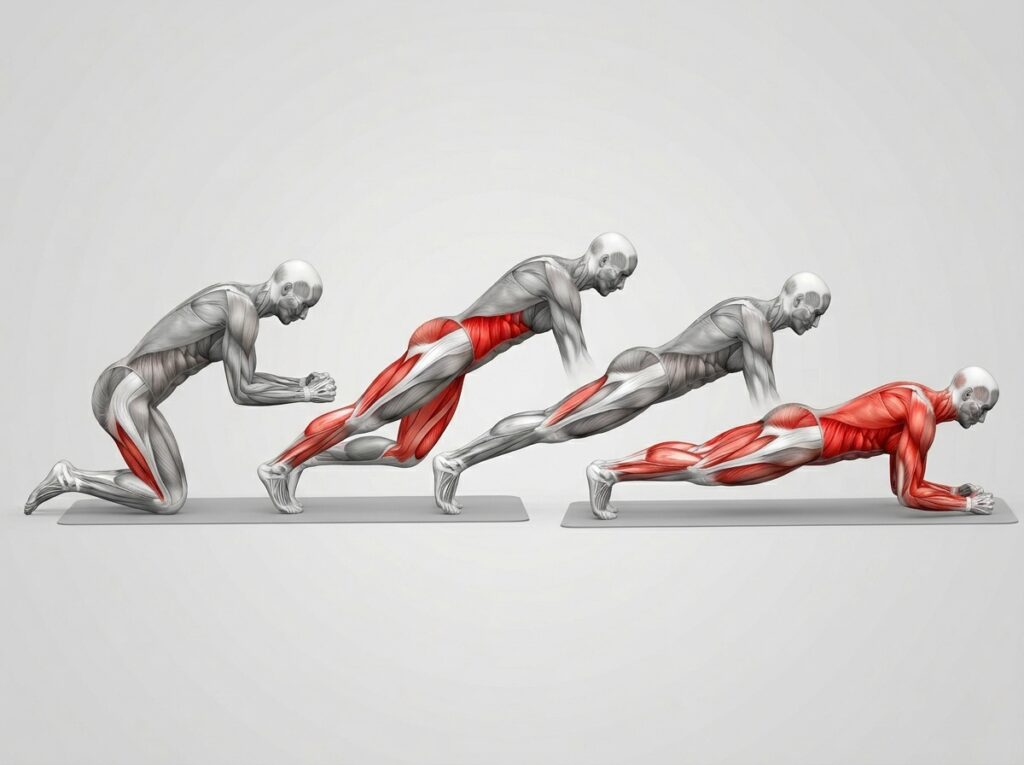
Planks help strengthen the abdominal muscles, back, and core.
How to Do It
- Support the body on the forearms and toes
- Keep the body in a straight line
- Tighten the abdominal muscles
- Hold for 20–60 seconds
Beginners may start with shorter durations.
3. Bicycle Crunches
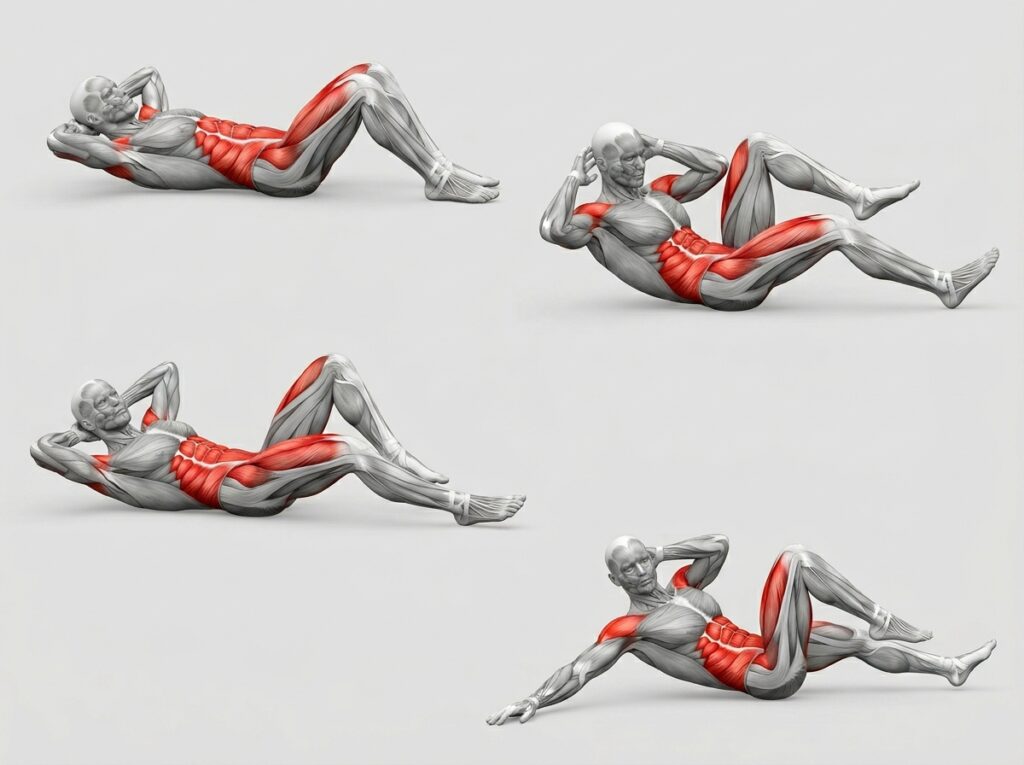
This exercise targets the abdominal region while also increasing movement intensity.
How to Do It
- Lie on your back
- Lift the legs slightly
- Alternate elbow-to-knee movements slowly
- Keep the core engaged
Avoid pulling the neck forward.
4. Jump Rope
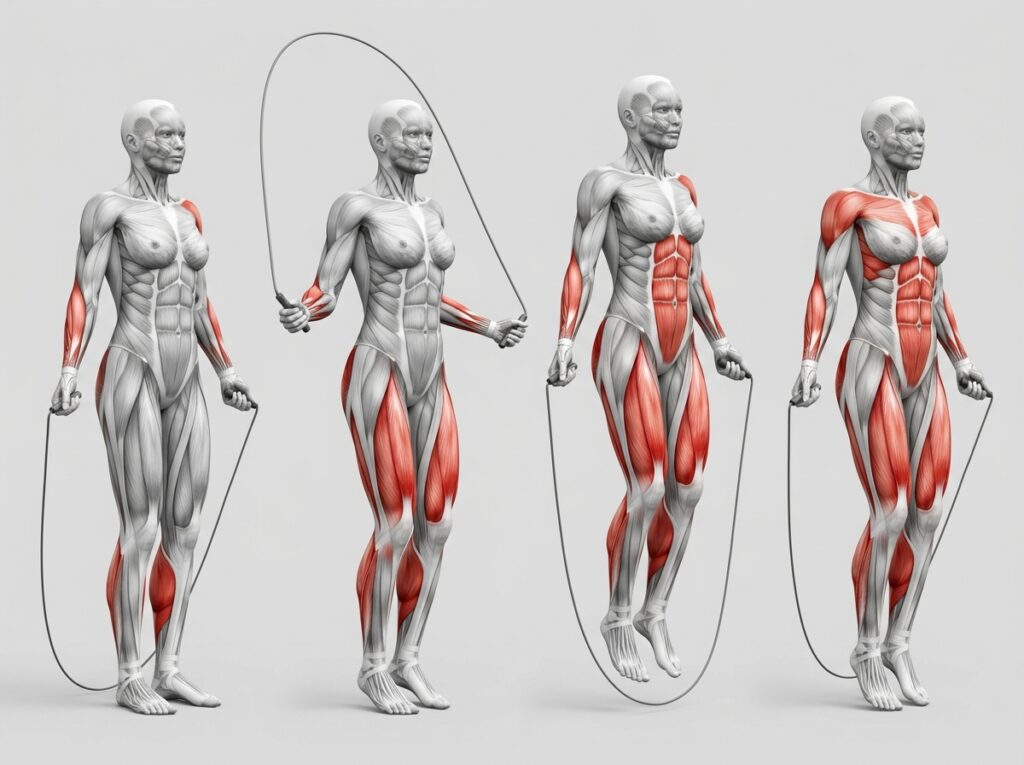
Jump rope may help increase calorie burning and cardiovascular conditioning.
How to Do It
- Jump lightly with both feet
- Maintain a steady rhythm
- Start slowly if needed
People with joint problems should consult a healthcare professional first.
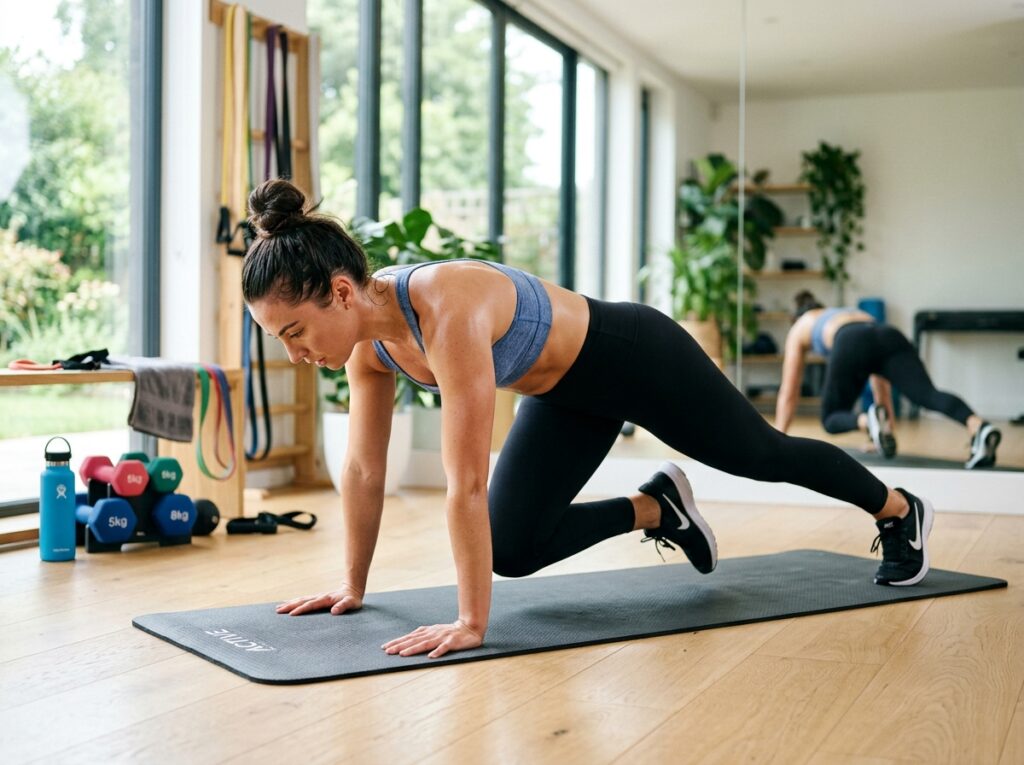
5. Mountain Climbers
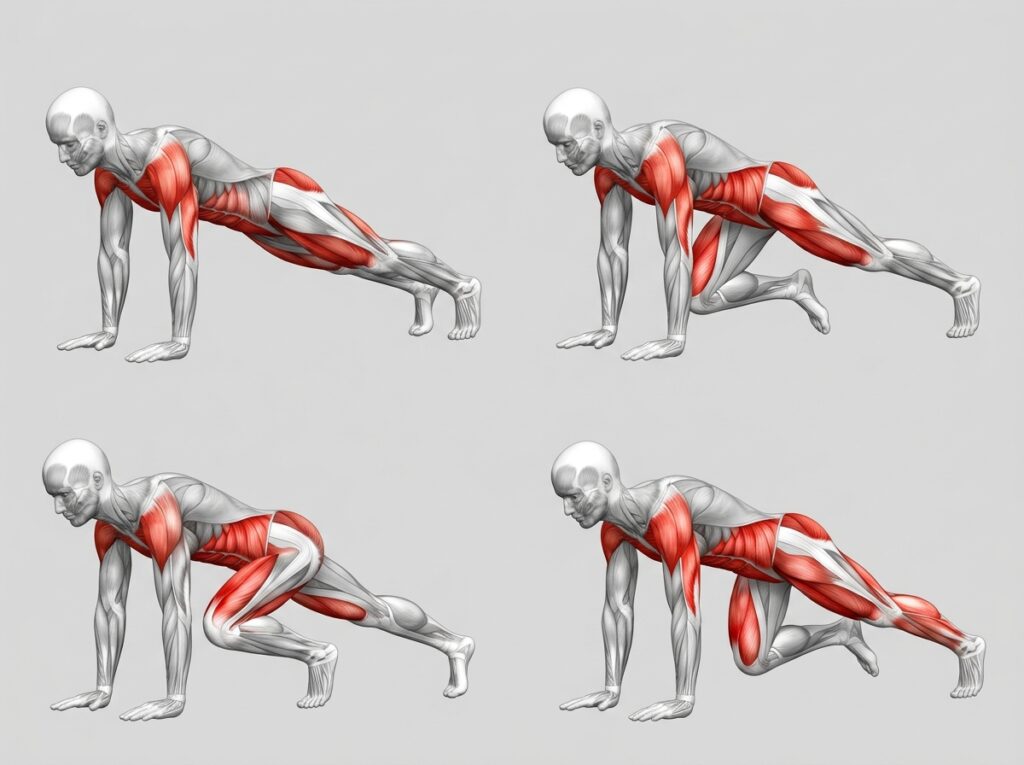
Mountain climbers combine cardio and abdominal activation.
How to Do It
- Start in a push-up position
- Alternate bringing the knees toward the chest quickly
- Maintain core stability
6. Squats
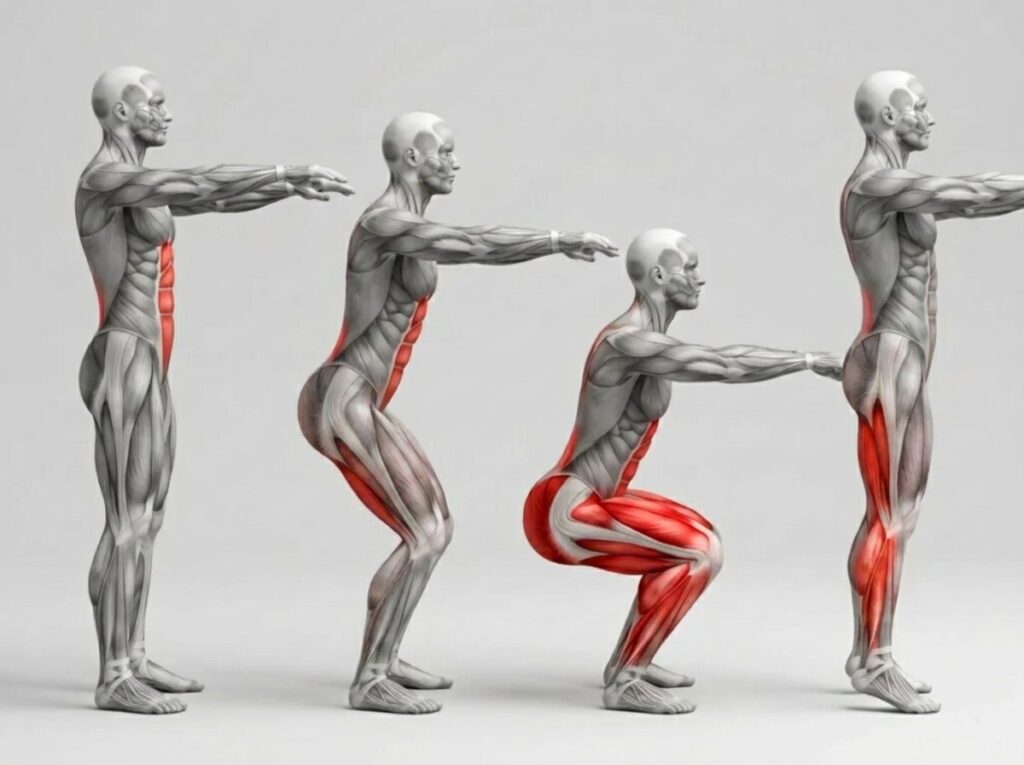
Squats strengthen large muscle groups and may increase overall calorie expenditure.
How to Do It
- Stand with feet shoulder-width apart
- Lower the hips as if sitting
- Keep the chest upright
- Return slowly to standing position
7. Burpees
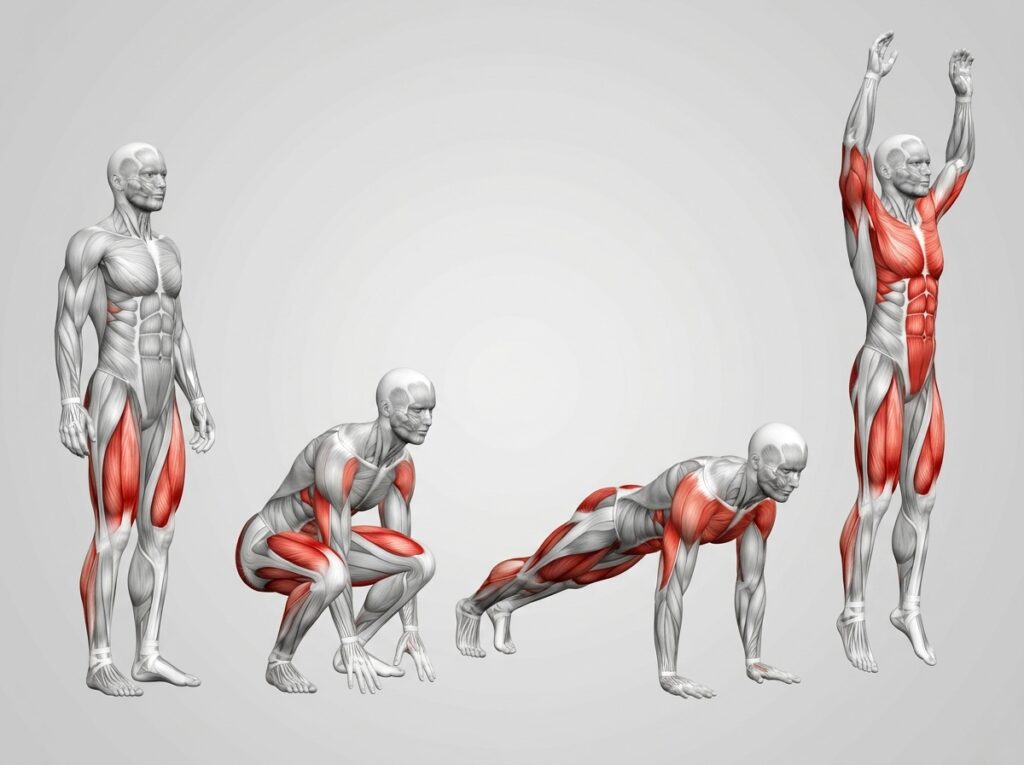
Burpees are high-intensity exercises that work multiple muscle groups simultaneously.
How to Do It
- Squat down
- Place hands on the floor
- Jump feet backward
- Return to standing
Beginners may modify movements slowly.
8. Leg Raises
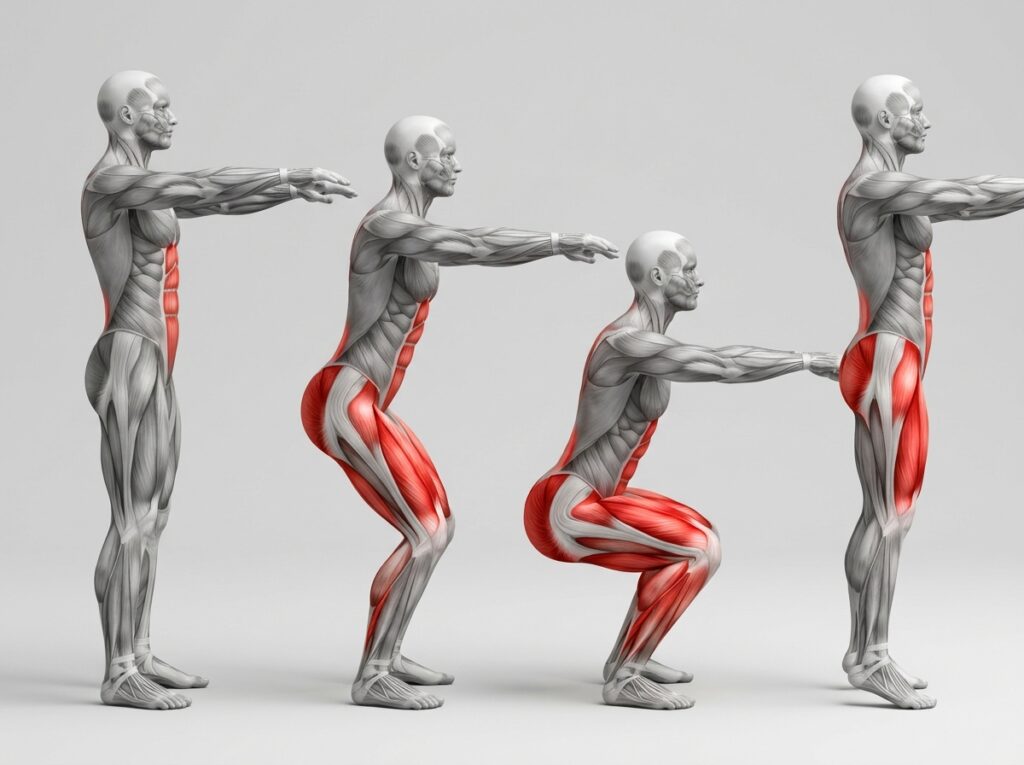
Leg raises help strengthen lower abdominal muscles.
How to Do It
- Lie flat on the floor
- Slowly raise the legs upward
- Lower them carefully without arching the back excessively
9. Cycling
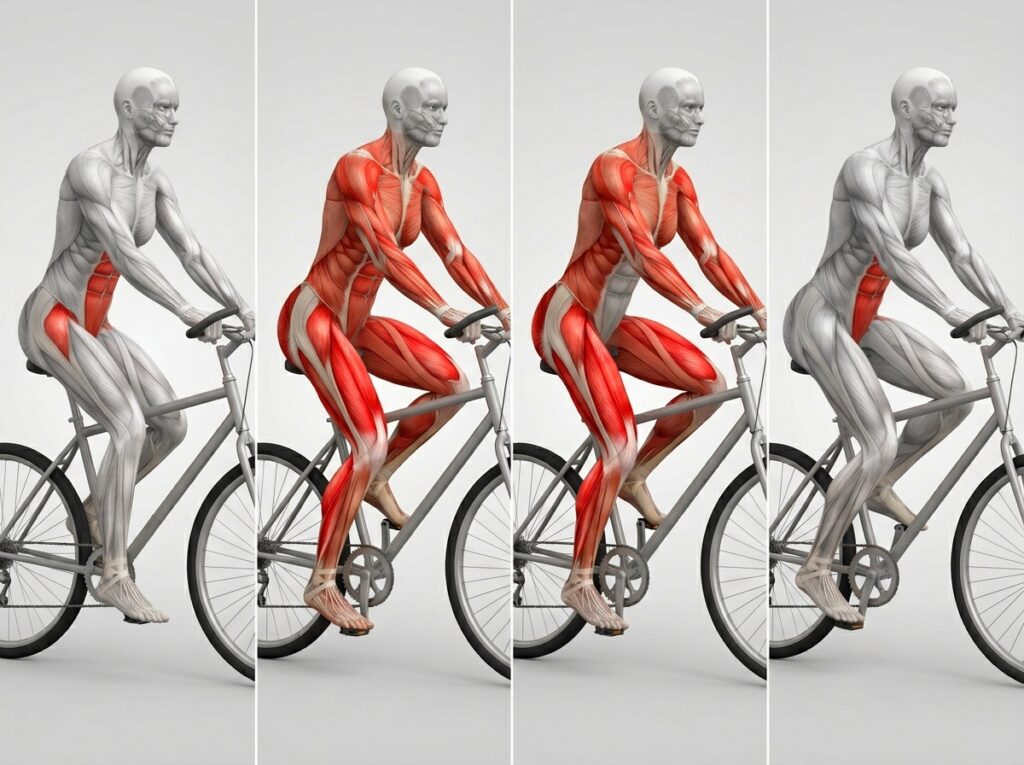
Cycling may help improve cardiovascular fitness and calorie burning.
How to Do It
- Use a bicycle or stationary bike
- Maintain moderate intensity for 30–45 minutes
10. High-Intensity Interval Training (HIIT)
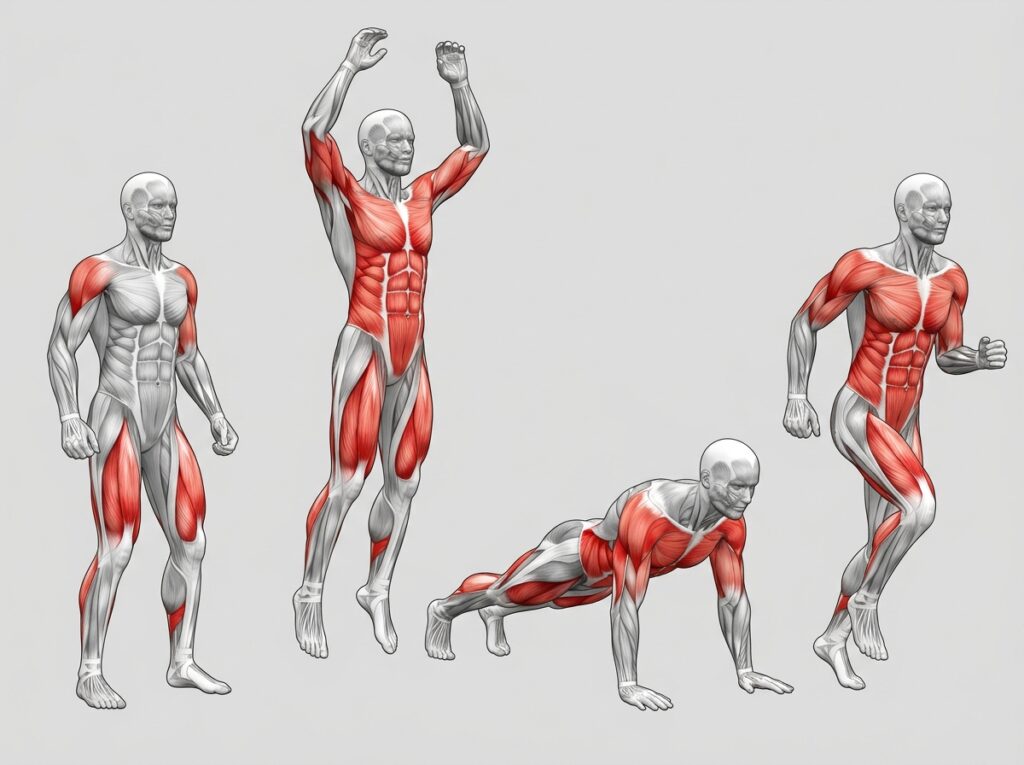
HIIT combines short bursts of intense movement with rest periods.
Some studies suggest HIIT may help improve fat burning efficiency.
Example
- 30 seconds intense exercise
- 30 seconds rest
- Repeat several rounds
The Combination That Outperforms Either Alone
The same Obesity Reviews meta-analysis that ranked aerobic exercise first found that combining aerobic exercise with resistance training produced greater visceral fat reduction than either modality alone — even when total exercise volume was equal. The practical implication: a weekly routine of 2 aerobic sessions plus 2 resistance sessions outperforms 4 sessions of either type done separately.
A simple 4-day structure: Monday aerobic, Tuesday resistance, Thursday aerobic, Friday resistance. Wednesday through Sunday are rest or light activity days.
What to Expect in the First 30 Days
Clinical studies consistently show measurable visceral fat reduction within 4 to 8 weeks of consistent aerobic exercise at the protocols above. In the first 30 days, the most reliable early indicator is waist circumference, which decreases as visceral fat reduces, even when the scale does not change significantly. Muscle gain from resistance training frequently offsets fat loss in total body weight during the first month.
Inflammatory markers — the clinical measure of visceral fat’s systemic damage — respond even faster. C-reactive protein and IL-6 levels show measurable reductions within 2 to 3 weeks of consistent aerobic exercise in multiple intervention studies.
The exercises at the top of this list require nothing more than a pair of shoes and sufficient floor space. The barrier is not equipment. It is consistency over a timeframe that most people abandon before the data has had time to show up.
This article is for informational purposes only and does not replace professional medical or fitness advice. Consult a healthcare provider before beginning a new exercise program, particularly if you have cardiovascular disease, orthopedic conditions, or metabolic disorders.