
ou’re doing fine, the week is calm, your diet is going well — and suddenly an overwhelming craving for chocolate hits. Not a normal craving. A physical, urgent craving that feels like it comes from some primitive part of your body. You give in, eat the chocolate, and a few days later your period arrives.
Coincidence? Weak willpower? Not at all. It’s hormones. This is just one of the many ways your body warns you that your period is approaching. And once you learn to recognize these signs, you stop being caught off guard every month — and start understanding your menstrual cycle for what it really is: a powerful indicator of your overall health.
Here are the 12 most common signs that your period is coming, along with the hormonal explanation behind each one.
1. Intense Cravings for Sweets or Carbs
Let’s start with the most famous one. During the luteal phase — the days leading up to your period — progesterone levels rise while estrogen levels fall. This hormonal drop reduces serotonin levels, the neurotransmitter associated with pleasure and well-being.
In response, the brain activates the reward system and craves the fastest way to raise serotonin: sugar and simple carbohydrates. This is a real neurobiological mechanism — not a lack of self-control.
Your basal metabolic rate also slightly increases during this phase, meaning your body actually burns more calories. So the increased hunger is partly physiological.
What helps: Choose complex carbohydrates like oats, sweet potatoes, and bananas, which raise serotonin more gradually without the sugar crash. And yes — moderate amounts of dark chocolate are scientifically supported.
2. Bloating and Water Retention
The hormonal shifts before menstruation directly affect sodium and water balance in the body. The result is fluid retention, especially in the abdomen, breasts, and legs.
Many women gain between 2 and 6 pounds before their period — weight that naturally disappears during the first days of bleeding. It’s not body fat. It’s water retention.
What helps: Reducing sodium and ultra-processed foods during the days before your period can minimize bloating. Natural diuretic teas such as hibiscus or horsetail tea may also help.
3. Breast Tenderness and Pain
Breast tissue contains hormone receptors that respond directly to estrogen and progesterone. Rising progesterone during the luteal phase stimulates the mammary glands, causing swelling, tenderness, and pain — sometimes severe enough to make sleeping uncomfortable.
This symptom usually begins about a week before menstruation and improves once bleeding starts.
Important: Bilateral cyclical tenderness is common. Persistent lumps, localized pain, or nipple discharge should always be evaluated by a doctor.
4. Mild Cramps Before Bleeding Starts
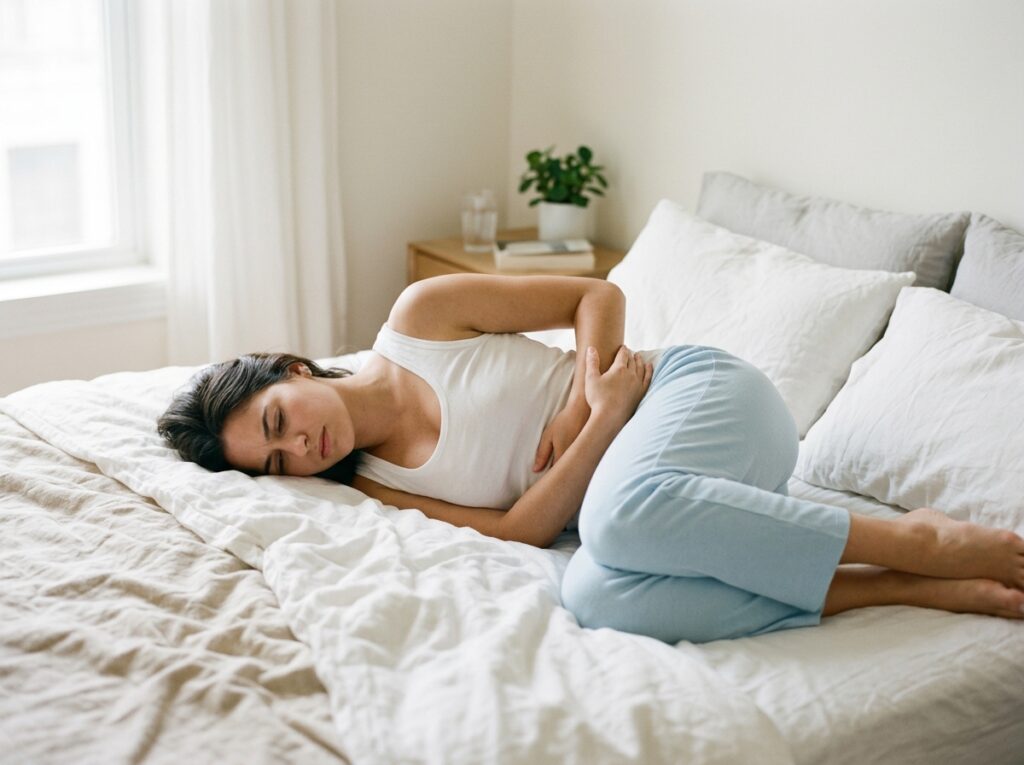
Many women experience mild pelvic pressure or cramping one or two days before their period begins. This happens because the uterus is starting the contractions that will shed the uterine lining, stimulated by prostaglandins.
Mild premenstrual cramping can be normal. Severe pain starting several days before menstruation and not relieved by painkillers deserves investigation for conditions such as endometriosis or adenomyosis.
5. Mood Changes — Irritability, Anxiety, and Sadness
The combined drop in estrogen and progesterone directly affects neurotransmitters such as serotonin, dopamine, and GABA. The result is real emotional instability with a biological basis — irritability, increased anxiety, sadness, crying easily, or feeling emotionally overwhelmed.
It’s not “being dramatic.” It’s chemistry.
When symptoms become severe enough to interfere with work, relationships, and quality of life, the condition may actually be Premenstrual Dysphoric Disorder (PMDD), which has effective medical treatment.
6. Premenstrual Acne
Before menstruation, falling estrogen and rising progesterone increase oil production in the skin. The result is those predictable hormonal breakouts that appear around the chin, jawline, and forehead at the same time every month.
Hormonal acne responds better to approaches that consider the menstrual cycle itself, including hormonal management, zinc supplementation, and adapting skincare routines during the luteal phase.
7. Fatigue and Unusual Tiredness
Hormonal fluctuations, increased metabolism, and disrupted sleep patterns during the luteal phase create a type of fatigue many women describe as different from ordinary tiredness. It feels heavy — like your body has less energy no matter how much coffee you drink.
Magnesium deficiency, which is very common in women, tends to worsen during this phase and contributes to fatigue, cramps, and mood changes.
What helps: Magnesium supplementation during the days before menstruation has good evidence for reducing fatigue, cramps, and emotional symptoms.
8. Headaches and Menstrual Migraines
The sudden drop in estrogen is a powerful migraine trigger in women who are predisposed to migraines. Menstrual migraines — occurring within two days before or three days after the start of bleeding — are recognized as a distinct medical condition and are often more severe than regular migraines.
Women with frequent menstrual migraines may benefit from combined neurological and gynecological care.
9. Sleep Changes
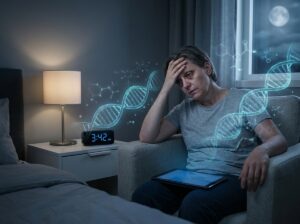
Progesterone has a mild sedative effect, which can make some women unusually sleepy during the luteal phase. Paradoxically, when progesterone drops sharply before menstruation, many women experience difficulty falling asleep, fragmented sleep, and vivid or disturbing dreams.
Poor sleep during this phase amplifies almost every other symptom — irritability, fatigue, cravings, and emotional sensitivity.
10. Lower Back Pain
The prostaglandins released before and during menstruation don’t only affect the uterus. They can also trigger referred pain in the lower back and sacral area — the familiar backache that often accompanies cramps.
Severe recurring lower back pain linked to the menstrual cycle may suggest endometriosis involving the uterosacral ligaments.
11. Digestive Changes
The intestines contain progesterone receptors. Rising progesterone during the luteal phase slows intestinal movement, often causing constipation. Then, when progesterone drops and prostaglandins rise before menstruation, the opposite may happen: diarrhea, bowel urgency, and intestinal cramping become common.
Women with irritable bowel syndrome (IBS) often notice significant worsening of symptoms around menstruation because of this hormonal sensitivity.
12. Increased Emotional and Sensory Sensitivity
Many women report heightened sensitivity before their period — stronger reactions to smells, louder sensitivity to noise, increased skin sensitivity, and emotional situations feeling far more overwhelming than usual.
This happens because hormonal changes affect the autonomic nervous system, leaving the body in a more reactive state. It’s real, physiological, and usually improves once menstruation begins.
When These Signs May Mean Something More
Most of these symptoms, when mild to moderate, are part of a normal menstrual cycle. But some patterns deserve medical attention:
- Symptoms severe enough to disrupt daily activities
- Pelvic pain beginning many days before menstruation
- Extremely heavy bleeding with intense fatigue
- Mood changes resembling severe depression or anxiety
- Symptoms that continue well after menstruation begins
Conclusion
The female body is remarkably precise. Every month, it sends signals, prepares itself, and communicates changes through hormones and symptoms. Learning to recognize these 12 signs is not just about predicting your period.
It’s about understanding that every symptom has a real hormonal explanation, that severe symptoms deserve investigation, and that the menstrual cycle is one of the clearest reflections of a woman’s overall health.
The more you understand your cycle, the easier it becomes to notice when something is no longer normal. And in the long run, that awareness can make all the difference.
Know someone who thinks PMS symptoms are “just drama”? Share this article — sometimes a good scientific explanation changes everything.