
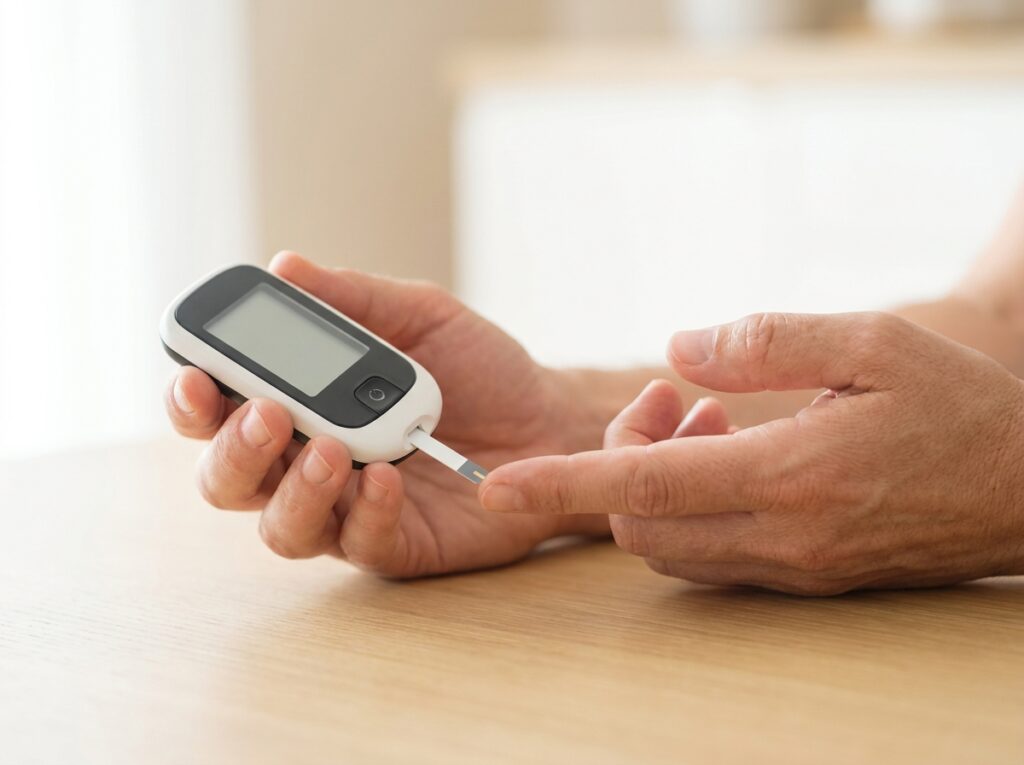
Blood glucose responds to dozens of variables every hour. Food composition, meal timing, physical activity, sleep quality, stress levels, hydration — each independently shifts the glucose curve in a measurable direction. This is what makes blood sugar management both complex and genuinely empowering: the same biological responsiveness that makes glucose difficult to control also means that multiple daily choices have a real, quantifiable effect.
The twelve strategies below are organized by the mechanism through which they work. Each has clinical evidence behind it. Together, they represent a comprehensive lifestyle framework that endocrinologists and certified diabetes educators use as the foundation of non-pharmacological glucose management.
One critical note before beginning: Patients on insulin or sulfonylureas who aggressively implement these strategies may experience hypoglycemia as their blood glucose drops below medication thresholds. Any significant dietary or lifestyle change should be discussed with the prescribing physician so medication doses can be adjusted accordingly.
FOOD AND EATING
1. Eat Carbohydrates Last — Meal Sequencing
The order in which food is eaten within a single meal independently affects postprandial glucose — without changing what is eaten or how much.
A study from Weill Cornell Medicine found that eating vegetables and protein before carbohydrates reduced the two-hour glucose spike by 29 to 37% and the insulin spike by approximately 20%, compared to eating carbohydrates first — even when total food consumed was identical. The mechanism: fiber from vegetables coats intestinal mucosa and slows subsequent carbohydrate absorption; protein stimulates GLP-1 release, further delaying gastric emptying.
Practice: Start every meal with non-starchy vegetables, then eat protein, and save carbohydrates for last. This single behavioral change requires no different foods, no smaller portions, and produces immediate measurable effects on postprandial glucose.
2. Reduce Refined Carbohydrates and Added Sugar
The most direct dietary lever for blood glucose control. Refined carbohydrates — white bread, white rice, white pasta, most commercial cereals, and baked goods — deliver glucose rapidly because the fiber that moderates absorption has been removed during processing.
Replacing refined carbohydrates with higher-fiber alternatives produces sustained reduction in HbA1c over weeks. In a meta-analysis published in The Lancet, each 10-gram increase in daily fiber intake was associated with a 0.1% reduction in HbA1c — a modest but cumulative effect that compounds over months.
Practice: Replace white bread with whole grain or sourdough; white rice with quinoa, barley, or cauliflower rice; sweetened cereals with oats. Eliminate sugar-sweetened beverages entirely — they represent the highest glycemic load per calorie of any food category.
3. Increase Soluble Fiber at Every Meal
Soluble fiber dissolves into a gel in the digestive tract, physically slowing the absorption of glucose from surrounding food. It also feeds beneficial gut bacteria that produce short-chain fatty acids improving insulin sensitivity.
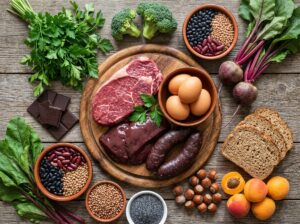
High-soluble-fiber foods: oats, barley, lentils, chickpeas, black beans, flaxseed, chia seeds, apples, and psyllium husk. A study in the Journal of the American Medical Association found that high-fiber diets produced significantly greater reductions in HbA1c than standard low-glycemic diets in Type 2 diabetes patients.
Practice: Add a tablespoon of chia seeds or ground flaxseed to breakfast; include legumes at lunch or dinner; eat fruit with the skin intact whenever possible.
4. Try Apple Cider Vinegar Before High-Carb Meals
Acetic acid — the active compound in vinegar — inhibits salivary amylase and intestinal disaccharidases, the enzymes responsible for breaking starch into glucose. This slows the rate at which carbohydrates are absorbed, reducing postprandial glucose peaks.
A study published in Diabetes Care found that consuming two tablespoons of apple cider vinegar before a high-carbohydrate meal reduced postprandial glucose by 19 to 34% in people with insulin resistance. A subsequent meta-analysis confirmed consistent short-term glucose-lowering effects across multiple trials.
Practice: Dilute one to two tablespoons of apple cider vinegar in a glass of water and drink 10 to 20 minutes before high-carbohydrate meals. Do not consume undiluted — acidity damages tooth enamel and the esophagus.
5. Control Portions Using the Plate Method
The American Diabetes Association’s Plate Method provides a simple visual framework for carbohydrate control without counting grams:
- ½ the plate: Non-starchy vegetables (leafy greens, broccoli, zucchini, peppers)
- ¼ the plate: Lean protein (fish, eggs, chicken, legumes, tofu)
- ¼ the plate: Quality carbohydrates (whole grains, legumes, starchy vegetables)
This structure automatically limits carbohydrate to approximately 30 to 45 grams per meal — the target most endocrinologists use for Type 2 diabetes management — while ensuring adequate fiber, protein, and micronutrient intake.
MOVEMENT AND EXERCISE
6. Walk for 10 Minutes After Every Meal
Post-meal walking is one of the most evidence-supported and immediately accessible blood glucose interventions available. Muscle contractions activate GLUT4 glucose transporters independently of insulin — meaning muscles absorb glucose during activity without requiring insulin as an intermediary. This directly reduces postprandial glucose peaks.
A study published in Sports Medicine found that 10-minute post-meal walks reduced 24-hour glucose levels more effectively than a single 30-minute walk at a different time of day. The effect is most pronounced after dinner.
Practice: Walk for 10 minutes after each of the three main meals. This does not require changed clothing, a gym, or equipment — a walk around the block is sufficient and produces measurable glucose reduction within the same hour.
7. Add Resistance Training
Skeletal muscle is the largest glucose-consuming tissue in the body. Building and maintaining muscle mass through resistance training increases the body’s resting capacity to absorb and store glucose — improving insulin sensitivity for 24 to 72 hours after each session. A meta-analysis in Diabetes Care found that resistance training reduced HbA1c by approximately 0.57% over the duration of studies — comparable to some oral medications.
Practice: Two to three resistance training sessions per week — using weights, resistance bands, or bodyweight exercises (squats, push-ups, lunges). Progressive overload over months produces compounding improvements in insulin sensitivity.
8. Break Up Prolonged Sitting
Extended sitting reduces insulin sensitivity and elevates postprandial glucose independently of total daily exercise. Studies have shown that interrupting sitting every 30 minutes with 3 to 5 minutes of light movement (standing, walking, bodyweight squats) significantly reduces both glucose and insulin levels over the course of a day.
Practice: Set a reminder every 30 minutes during prolonged desk or seated work. Stand, walk to a window, or perform 10 bodyweight squats. This habit requires no additional time block and produces measurable metabolic benefit.
SLEEP AND STRESS
9. Prioritize 7 to 9 Hours of Quality Sleep
Sleep deprivation directly impairs glucose metabolism through two mechanisms: elevated cortisol (which drives hepatic glucose production) and reduced insulin sensitivity (one night of four to five hours sleep produces insulin resistance equivalent to gaining several kilograms of visceral fat in metabolic studies). A study published in Annals of Internal Medicine found that just four nights of sleep restriction reduced insulin sensitivity by 25%.
Practice: Maintain consistent sleep and wake times, including weekends. Reduce screen exposure 30 minutes before bed. Keep the sleep environment cool (18–20°C). Address sleep apnea if present — obstructive sleep apnea independently drives insulin resistance and is highly prevalent in people with Type 2 diabetes.
10. Manage Chronic Stress
Cortisol and adrenaline — released during psychological stress — directly elevate blood glucose by stimulating hepatic glucose release and reducing peripheral insulin sensitivity. Chronic stress produces chronically elevated baseline glucose independent of diet or activity.
Techniques with documented cortisol-lowering effects: diaphragmatic breathing (4-second inhale, 6-second exhale, repeated for 5 minutes), regular aerobic exercise, mindfulness meditation (8-week programs consistently show reduced cortisol and improved HbA1c in studies of diabetic populations), and adequate social connection.
Practice: Five minutes of slow breathing before meals; a consistent 20-minute relaxation or mindfulness practice daily.
HYDRATION AND SUPPLEMENTATION
11. Stay Well Hydrated
Dehydration concentrates blood glucose — less water in the bloodstream means the same amount of glucose occupies a smaller volume, raising its measured concentration. Additionally, the kidneys excrete excess glucose through urine when blood glucose is high; adequate hydration supports this clearance mechanism.
Research published in Diabetes Care found that adults who drank more than one liter of water per day had significantly lower rates of developing hyperglycemia over nine years than those who drank less than 500ml.
Practice: Target 2 to 2.5 liters of water daily. Replace sweetened beverages entirely with water, sparkling water, or unsweetened tea. Monitor urine color — pale yellow indicates adequate hydration.
12. Consider Cinnamon and Berberine — With Appropriate Expectations
Cinnamon: Cinnamaldehyde, the primary active compound in Ceylon cinnamon, improves cellular insulin sensitivity by activating insulin-signaling pathways. A meta-analysis in Journal of Medicinal Food found that cinnamon supplementation (1 to 6 grams daily) reduced fasting blood glucose by 3 to 29% and total cholesterol in multiple trials. Effect sizes are modest and variable — cinnamon is a complement to primary interventions, not a replacement.
Berberine: An alkaloid derived from several plants, berberine activates AMPK — the same enzyme activated by metformin — improving glucose uptake in muscle and reducing hepatic glucose production. A meta-analysis of 27 randomized controlled trials found berberine produced HbA1c reductions comparable to metformin in some comparisons. It is available as a supplement but should be used under medical supervision as it can cause hypoglycemia and interacts with several medications.
Practice: Add ½ teaspoon of Ceylon cinnamon (not Cassia, which contains hepatotoxic coumarin) to oatmeal, yogurt, or coffee daily. Discuss berberine with a physician before using, particularly if on other glucose-lowering medications.
This article is for informational purposes only and does not replace professional medical advice. People with diabetes on insulin or glucose-lowering medications should consult their physician before making significant dietary or lifestyle changes, as blood glucose improvements may require medication dose adjustments. Do not stop or reduce prescribed medications without medical supervision.