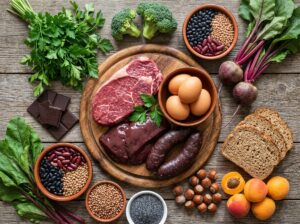

Diet is the most powerful tool available for blood glucose management — more immediately impactful than most oral medications, and the one variable over which a person with diabetes has direct, meal-by-meal control. Yet most dietary advice given to diabetic patients is either too generic (“eat less sugar, more vegetables”) to be actionable, or too restrictive to be sustainable.
The science of diabetes nutrition has advanced considerably beyond simple food lists. What matters is not only which foods are on the plate, but their proportions, their combinations, and the order in which they are eaten.
Each of these variables independently influences how high blood glucose rises after a meal and how quickly it returns to baseline — the two measurements that determine both short-term wellbeing and long-term complication risk.
The Core Principle: Glycemic Load, Not Just Glycemic Index
Glycemic index (GI) ranks foods by how quickly they raise blood glucose relative to pure glucose. Glycemic load (GL) accounts for both GI and the quantity of carbohydrate consumed — and is the more clinically relevant measure. A food can have a high GI but a low glycemic load when consumed in normal portions (watermelon, for example). Conversely, eating large portions of a moderate-GI food can produce the same glucose spike as a small portion of a high-GI food.
The practical implication: portion size and total carbohydrate content per meal matter as much as food type. Most endocrinologists working with Type 2 diabetes patients target 30 to 45 grams of carbohydrate per meal as a practical starting framework, adjusted based on individual glucose response, medications, and activity level.
Foods to Eat Daily
Non-Starchy Vegetables — Unlimited
The foundation of any diabetes-appropriate diet. Non-starchy vegetables are high in fiber, low in carbohydrates, and high in micronutrients that support metabolic health. They raise blood glucose minimally and provide the bulk that promotes satiety.
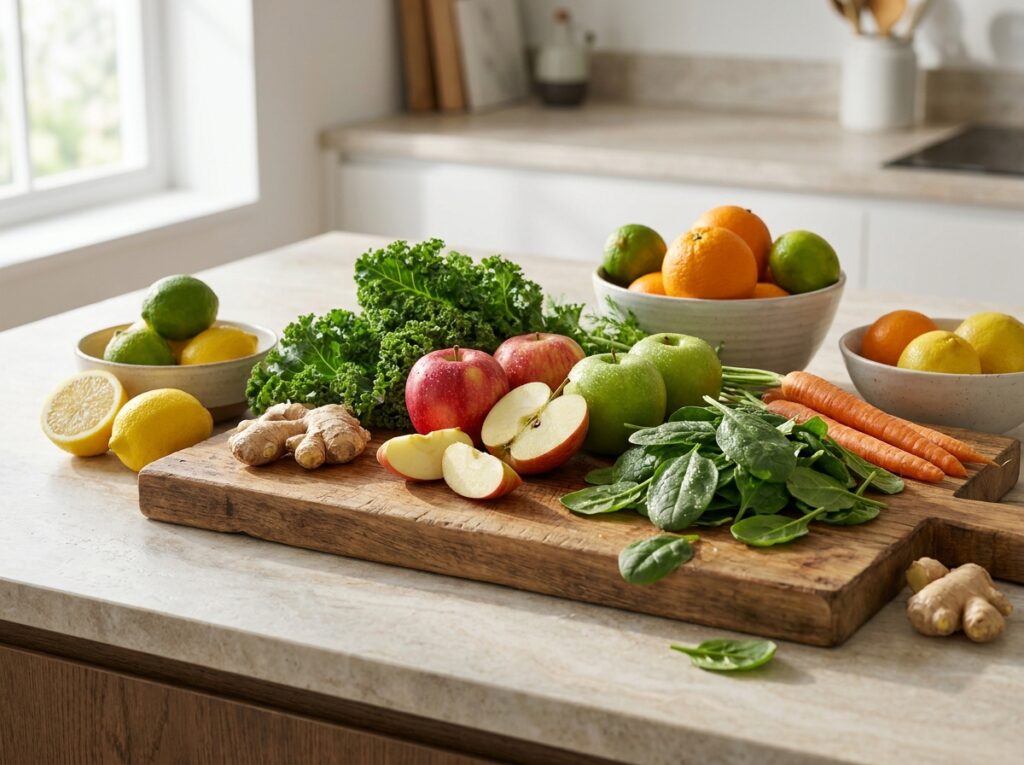
Eat freely: Leafy greens (spinach, kale, arugula, Swiss chard), broccoli, cauliflower, zucchini, cucumber, bell peppers, asparagus, green beans, mushrooms, celery, cabbage, Brussels sprouts.
Half of every plate should be non-starchy vegetables at every main meal — not as a side, but as the structural base of the meal.
Lean Protein — Every Meal
Protein has minimal direct effect on blood glucose and slows gastric emptying, blunting the rise from carbohydrates eaten in the same meal. Including adequate protein at every meal is one of the most reliable strategies for reducing postprandial glucose peaks.
Best options: Eggs (one of the most insulin-neutral foods studied), fatty fish (salmon, sardines, mackerel — omega-3 fatty acids also reduce cardiovascular risk, the leading cause of death in diabetics), chicken and turkey breast, tofu, tempeh, Greek yogurt (plain, unsweetened), cottage cheese, legumes (beans, lentils — provide both protein and fiber).
Healthy Fats
Dietary fat does not raise blood glucose and slows the absorption of carbohydrates consumed with it. Extra virgin olive oil, avocado, nuts, and seeds are the preferred fat sources — all associated with improved insulin sensitivity and cardiovascular outcomes in people with diabetes.
Daily targets: 1 to 2 tablespoons of extra virgin olive oil as the primary cooking fat; a small handful of nuts (walnuts, almonds, Brazil nuts) as a snack or meal component; half an avocado several times per week.
Low-Glycemic Fruit
Fruit contains fructose and natural sugars that raise blood glucose — but the fiber content in whole fruit moderates this significantly. The most diabetes-appropriate fruits are those with the lowest glycemic load per serving.
Best choices: Berries (strawberries, blueberries, raspberries, blackberries — all low glycemic, high in antioxidants), cherries, apples, pears (eaten with skin), citrus fruits. Limit portion to one small serving per meal and pair with protein or fat to further slow absorption.
Avoid: Fruit juice (fiber removed, glucose delivered rapidly), dried fruit (concentrated sugar, small portions easily overeaten), very high-sugar tropical fruits in large quantities (mango, pineapple, bananas — eat small portions only).
Whole Grains and Legumes
When carbohydrates are consumed, the fiber content determines how quickly they are absorbed. Whole grains and legumes have significantly lower glycemic loads than their refined equivalents and provide sustained energy rather than glucose spikes.
Best choices: Oats (particularly rolled or steel-cut, not instant), quinoa, barley, lentils, chickpeas, black beans, kidney beans. These foods can be included in a diabetes diet in controlled portions — typically ¼ to ⅓ of the plate.
Foods to Limit or Avoid
Sugar-Sweetened Beverages — Eliminate
Soda, sweetened juices, energy drinks, sweetened coffee drinks, and sports drinks deliver glucose directly into the bloodstream without fiber, protein, or fat to slow absorption. They produce the most rapid and pronounced glucose spikes of any food category. A 350ml can of regular soda contains approximately 35 to 40 grams of pure sugar — equivalent to an entire meal’s carbohydrate budget consumed in minutes.
Refined Carbohydrates
White bread, white rice, white pasta, most breakfast cereals, crackers, and baked goods from refined flour spike blood glucose in the same rapid pattern as sugar because their fiber has been removed during processing. They are not forbidden, but they require strict portion control and should always be paired with protein and vegetables to moderate their glycemic impact.
Ultra-Processed Snack Foods
Chips, cookies, commercial pastries, flavored popcorn, and similar products combine refined carbohydrates, trans or refined fats, and high sodium in combinations specifically engineered to be overconsumed. Their glycemic impact is compounded by the ease with which portions are exceeded.
Alcohol
Alcohol requires specific management in diabetes. It inhibits hepatic glucose production — the liver’s mechanism for releasing stored glucose when blood sugar drops — which creates significant hypoglycemia risk, particularly for patients on insulin or sulfonylureas. If alcohol is consumed, it should be with food, in modest amounts, and glucose should be monitored more frequently.
The Meal Structure That Changes Everything
Research from Cornell University demonstrated that the order in which food is eaten within a meal significantly affects postprandial glucose. In the study, eating vegetables and protein before carbohydrates reduced the two-hour glucose spike by 29 to 37% and the insulin spike by approximately 20%, compared to eating carbohydrates first — even when the total food consumed was identical.
The evidence-based meal sequence:
- Start with non-starchy vegetables — fiber coats the intestinal lining and slows subsequent carbohydrate absorption
- Eat protein next — stimulates GLP-1 release, further slowing gastric emptying
- Eat carbohydrates last — by this point, absorption is significantly moderated
This single behavioral change — requiring no different food choices — is one of the most underutilized tools in diabetes management.
The Three Dietary Patterns With the Strongest Evidence
Rather than individual foods, dietary patterns produce the most durable and meaningful improvements in HbA1c and metabolic markers:
Mediterranean diet: Consistently associated with improved glycemic control, reduced cardiovascular risk, and better HbA1c in multiple randomized controlled trials. Emphasizes olive oil, vegetables, fish, legumes, and moderate whole grains — naturally aligned with diabetes management principles.
Low-carbohydrate diet (under 130g carbohydrate per day): Produces the most rapid improvements in blood glucose and often allows medication reduction under physician supervision. Most effective for highly motivated patients with strong dietary adherence. Requires monitoring for hypoglycemia in insulin-dependent patients.
DASH diet (Dietary Approaches to Stop Hypertension): Originally designed for blood pressure, its emphasis on vegetables, whole grains, and low sodium is beneficial for the cardiovascular comorbidities that accompany diabetes. Less glucose-specific than Mediterranean or low-carb but clinically appropriate.
A Practical Day of Eating
Breakfast: Two scrambled eggs with spinach and half an avocado; one small portion of oats with berries. No juice, no sweetened yogurt, no cereal.
Lunch: Large salad (leafy greens, cucumber, bell pepper, chickpeas, olive oil and lemon dressing) with a palm-sized portion of grilled salmon or chicken; one slice of whole grain bread if desired.
Dinner: Non-starchy vegetables first (roasted broccoli, zucchini); then grilled fish or legume-based protein; then a small portion of quinoa or sweet potato.
Snacks: A small handful of walnuts; plain Greek yogurt with a few berries; cucumber slices with hummus.
This article is for informational purposes only and does not replace professional medical or nutritional advice. Dietary changes in diabetes — particularly for patients on insulin or glucose-lowering medications — must be coordinated with a physician or registered dietitian, as food changes directly affect blood glucose levels and may require medication adjustments.