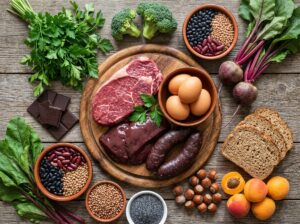

Managing diabetes does not require eating differently from everyone else. It requires eating deliberately — understanding which foods raise blood sugar quickly, which raise it slowly, and which have almost no effect at all. That distinction, not a rigid list of forbidden foods, is the foundation of a sustainable diabetes diet.
The confusion comes from how diabetes nutrition is usually presented: avoid sugar, eat less carbs, done. But refined bread raises blood sugar faster than table sugar in many people. Certain fruits are fine; fruit juice made from those same fruits is not. Fat and protein matter more than most people realize. The details are where the outcomes are determined.
This guide covers the foods with the strongest evidence for blood sugar control, the foods and drinks that reliably worsen it, and a simple framework for building every meal around stable glucose — without a complicated tracking system.
How Food Affects Blood Sugar
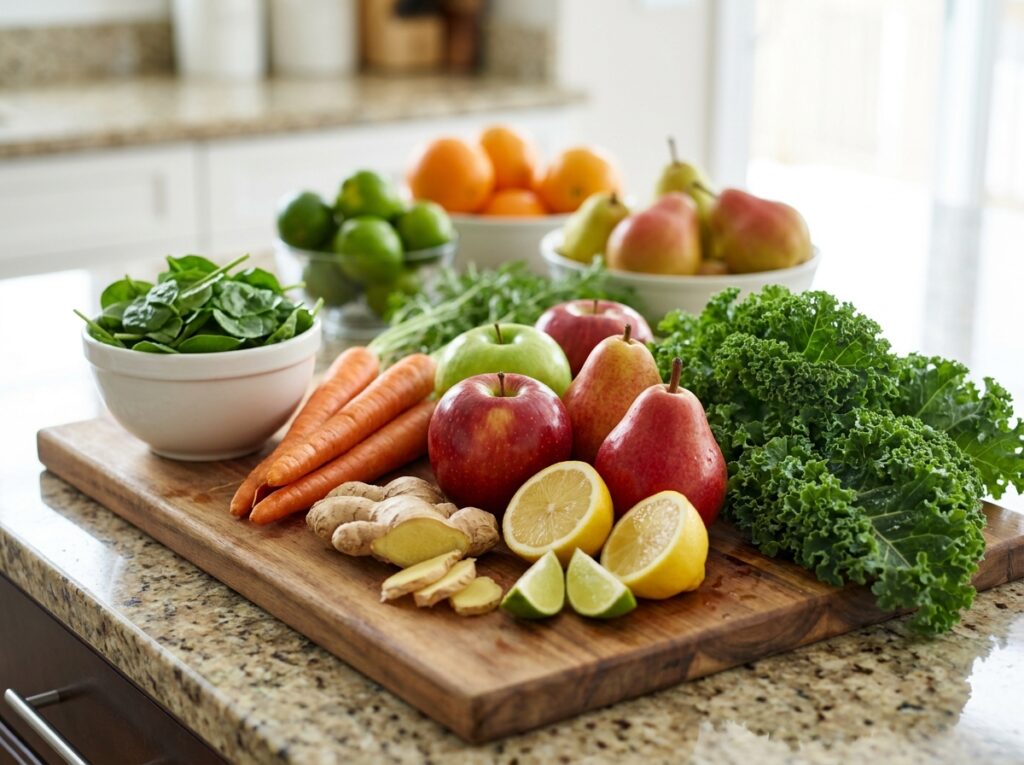
Every carbohydrate you eat is broken down into glucose and absorbed into the bloodstream. The speed of that process — determined by a food’s glycemic index (GI) and the total carbohydrate load (glycemic load) — determines how sharply blood sugar rises.
Fiber slows glucose absorption, which is why a whole apple raises blood sugar more gradually than apple juice. Protein and fat slow gastric emptying, which is why eating carbohydrates alongside protein and fat produces a lower blood sugar response than eating them alone. Cooking method matters too — overcooked pasta has a higher GI than al dente pasta. These principles underlie every recommendation below.
What to Eat
Non-Starchy Vegetables
The foundation of a diabetes-friendly diet. Non-starchy vegetables are high in fiber, vitamins, and minerals, with minimal impact on blood sugar. Fill at least half of every plate with:
- Leafy greens: spinach, kale, arugula, Swiss chard
- Cruciferous vegetables: broccoli, cauliflower, Brussels sprouts, cabbage
- Other low-GI options: zucchini, peppers, cucumber, asparagus, green beans, tomatoes, mushrooms
Legumes
Beans, lentils, and chickpeas are among the most blood-sugar-friendly carbohydrate sources available. Their combination of fiber, resistant starch, and plant protein produces a slow, blunted glucose response. A 2012 trial in JAMA Internal Medicine found that replacing higher-GI foods with legumes reduced HbA1c by 0.5% — comparable to some medications.
Whole Grains Over Refined Grains
When grains are necessary, whole grains provide fiber and nutrients that their refined counterparts remove:
- Choose: rolled oats, quinoa, barley, bulgur, brown rice, whole wheat bread
- Limit: white bread, white rice, white pasta, instant oats, most commercial cereals
Oats deserve special mention — their soluble fiber (beta-glucan) specifically reduces postprandial glucose response and has strong evidence across multiple trials.
Fatty Fish
Salmon, sardines, mackerel, and trout provide omega-3 fatty acids that reduce inflammation — a key driver of insulin resistance. The American Diabetes Association recommends fatty fish at least twice per week.
Nuts and Seeds
Almonds, walnuts, chia seeds, and flaxseeds contribute healthy fats, fiber, and magnesium — a mineral involved in insulin function that is frequently deficient in people with Type 2 diabetes. A small handful of nuts before or with a meal reduces the glycemic impact of that meal.
Berries
When fruit is appropriate, berries (strawberries, blueberries, raspberries, blackberries) offer the best balance of fiber, antioxidants, and relatively low sugar content. Their GI is significantly lower than tropical fruits such as mango, pineapple, and watermelon.
Lean Protein
Protein has minimal direct impact on blood sugar and increases satiety, reducing overall carbohydrate intake naturally. Prioritize: chicken breast, turkey, eggs, fish, tofu, tempeh, and plain Greek yogurt.
Olive Oil
Extra-virgin olive oil is the primary fat in the Mediterranean diet — the most extensively studied dietary pattern for Type 2 diabetes prevention and management. It improves insulin sensitivity and reduces cardiovascular risk, which is critical given that people with diabetes have two to four times the cardiovascular disease risk of the general population.
What to Avoid or Limit
Sugary Drinks
The single most damaging category for blood sugar management. Sodas, fruit juices, sports drinks, sweetened teas, and energy drinks deliver large carbohydrate loads with no fiber to slow absorption, producing rapid and dramatic blood sugar spikes. A single 12-oz can of regular soda contains approximately 39 grams of sugar — nearly all of it immediately available glucose.
Refined Carbohydrates
White bread, white rice, regular pasta, crackers, and most commercial baked goods have high glycemic indices. They are digested rapidly, causing blood sugar to rise sharply and fall quickly — triggering hunger and contributing to poor glycemic control over the course of the day.
Ultra-Processed Foods
Packaged snacks, fast food, frozen meals, and processed meats are typically high in refined carbohydrates, sodium, trans fats, and additives — and low in fiber and nutrients. Beyond blood sugar, they contribute to inflammation and the cardiovascular complications associated with diabetes.
Fruit Juice
Even 100% fruit juice with no added sugar removes the fiber that moderates the glucose response. A glass of orange juice raises blood sugar comparably to a glass of soda. Eat the whole fruit; avoid the juice.
Alcohol
Alcohol affects blood sugar unpredictably — it can cause both hyperglycemia and dangerous hypoglycemia, particularly in people using insulin or sulfonylureas. If consumed, it should be with food, in small amounts, and never on an empty stomach.
How to Build a Diabetes-Friendly Plate
The Diabetes Plate Method, endorsed by the American Diabetes Association, provides a simple visual framework without calorie counting or weighing food:
- Half the plate: non-starchy vegetables (salad greens, broccoli, peppers, zucchini)
- One quarter: lean protein (chicken, fish, eggs, tofu, legumes)
- One quarter: quality carbohydrates (brown rice, quinoa, whole grain bread, beans, or starchy vegetables such as sweet potato)
- Added fat: a small amount of olive oil, avocado, or nuts
This framework naturally limits refined carbohydrate portions while ensuring adequate protein and fiber at every meal — the two factors most consistently associated with better postprandial blood sugar control.
Meal Timing and Habits
Eat at consistent times. Irregular meal timing increases blood sugar variability. Consistent meal windows help the body anticipate and manage glucose more effectively.
Do not skip breakfast. Fasting in the morning elevates cortisol, which raises blood sugar before the first meal of the day. A balanced breakfast with protein and fiber helps establish a stable glucose baseline.
Eat carbohydrates last. A small but growing body of research shows that eating vegetables and protein before carbohydrates in the same meal reduces the postprandial glucose spike by up to 37% compared to eating carbohydrates first.
Avoid large carbohydrate-heavy meals in the evening. Insulin sensitivity is lower in the evening than the morning. The same meal eaten at 8 p.m. produces a higher blood sugar response than it would at 8 a.m.
Work With a Registered Dietitian
General guidelines provide a foundation, but individual blood sugar responses to specific foods vary significantly. A registered dietitian specializing in diabetes can use continuous glucose monitor data to identify personal trigger foods, create a sustainable meal plan, and adjust recommendations based on medications, activity level, and weight goals.
This article is for informational purposes only and does not replace professional medical or nutritional advice. People with diabetes should work with a licensed healthcare provider and registered dietitian to develop an individualized nutrition plan based on their specific diagnosis, medications, and health goals.