

Elevated blood sugar does not always feel like anything — which is exactly what makes it dangerous. It damages blood vessels and nerves quietly, over years, before symptoms appear. By the time most people are motivated to act, the condition has already progressed further than they realize.
The good news is that blood sugar responds to intervention faster than almost any other metabolic marker. Several of the strategies below produce measurable results within hours. Others work over weeks and months to address the underlying mechanisms driving chronic elevation.
This guide covers 12 evidence-based strategies organized by how they work — some lower blood sugar acutely after meals, others improve the body’s long-term ability to regulate glucose on its own. The most effective approach combines both.
1. Walk for 10 Minutes After Every Meal
Speed of effect: within 30 minutes
A 2022 meta-analysis published in Sports Medicine found that three 10-minute walks taken after each meal reduced blood sugar more effectively than a single 30-minute walk taken at another time of day. The mechanism is direct: muscle contractions during walking pull glucose out of the bloodstream independently of insulin, through GLUT4 transporters that activate with movement.
Start with a brisk 10-minute walk within 30 minutes of finishing a meal. This is one of the fastest and most accessible blood sugar interventions available — no equipment required.
2. Eat Carbohydrates Last at Every Meal
Speed of effect: within 90 minutes
Research from Weill Cornell Medicine demonstrated that eating vegetables and protein before carbohydrates at the same meal reduces the postprandial blood sugar spike by up to 37% and lowers insulin response by 44% — without changing the foods consumed or the total calories.
The mechanism: gastric emptying slows when the stomach already contains protein and fiber, reducing the rate at which carbohydrates enter the small intestine and bloodstream. Start meals with salad or vegetables, move to protein, and finish with carbohydrates.
3. Increase Fiber Intake
Speed of effect: days to weeks
Soluble fiber — found in oats, legumes, apples, flaxseed, and psyllium — forms a gel in the digestive tract that slows glucose absorption and reduces postprandial peaks. Insoluble fiber supports gut health and improves insulin sensitivity over time. Most adults consume 10 to 15 grams of fiber daily; the target for blood sugar management is 25 to 35 grams.
Add one fiber-dense food to each meal: a tablespoon of ground flaxseed in yogurt, a serving of lentils replacing white rice, or an apple with a meal instead of between meals.
4. Exercise Regularly — Aerobic Activity
Speed of effect: 24 to 72 hours per session; chronic improvement over weeks
Aerobic exercise increases insulin sensitivity for up to 72 hours after each session — meaning the body requires less insulin to manage the same glucose load for days following a workout. The American Diabetes Association recommends at least 150 minutes of moderate-intensity aerobic exercise per week, distributed across at least three days with no more than two consecutive rest days.
Walking, cycling, swimming, and dancing all qualify. Consistency matters more than intensity for blood sugar management.
5. Add Resistance Training
Speed of effect: weeks to months of consistent training
Skeletal muscle is the body’s largest glucose sink — it accounts for approximately 80% of glucose uptake after a meal. Building and maintaining muscle mass through resistance training increases the body’s total glucose storage capacity and improves insulin sensitivity independently of aerobic exercise.
Two to three resistance training sessions per week, targeting all major muscle groups, produce significant reductions in HbA1c over 12 to 16 weeks of consistent training.
6. Prioritize Sleep Quality and Duration
Speed of effect: measurable within 1 to 2 nights of deprivation or improvement
A single night of poor sleep (under 6 hours) raises fasting blood sugar the following morning, increases cortisol, and reduces insulin sensitivity by up to 25% in healthy adults. Chronic sleep deprivation is an independent risk factor for Type 2 diabetes development.
Target 7 to 9 hours per night. Treat sleep as a blood sugar intervention, not a lifestyle preference. Addressing insomnia — through cognitive behavioral therapy for insomnia (CBT-I) or sleep hygiene improvements — directly improves glucose regulation.
7. Reduce Chronic Stress
Speed of effect: varies; cortisol reduction measurable within days of consistent practice
Cortisol, the primary stress hormone, directly raises blood sugar by stimulating the liver to release stored glucose (glycogenolysis) and by reducing insulin sensitivity in peripheral tissues. This mechanism evolved for short-term physical threats — but chronic psychological stress produces the same effect continuously.
Evidence-backed stress reduction strategies include: regular aerobic exercise, mindfulness meditation (10 to 20 minutes daily), progressive muscle relaxation, and diaphragmatic breathing. Even brief breathing exercises (4-7-8 pattern or box breathing) reduce acute cortisol spikes.
8. Stay Consistently Hydrated
Speed of effect: hours
Blood glucose concentration rises as blood volume decreases — dehydration effectively thickens the blood, increasing glucose concentration without any change in glucose intake. The kidneys also excrete excess glucose through urine but require adequate hydration to do so efficiently.
Drinking water does not lower blood sugar directly, but chronic mild dehydration consistently worsens glycemic control. Target a minimum of 8 cups (2 liters) of water daily, more with exercise or heat exposure. Avoid sugary drinks — they raise blood sugar directly and contribute to dehydration through their osmotic effect.
9. Reduce Refined Carbohydrates and Added Sugar
Speed of effect: within hours of a single meal; chronic improvement over days
White bread, white rice, regular pasta, sugary cereals, pastries, and sugary drinks are digested rapidly into glucose, producing sharp postprandial spikes. Replacing these with whole grain equivalents or legumes — which have significantly lower glycemic indices — reduces both peak blood sugar and the insulin demand required to manage it.
This is not about eliminating carbohydrates — it is about choosing carbohydrates that enter the bloodstream slowly and predictably.
10. Include Protein at Every Meal
Speed of effect: within 90 minutes of each meal
Protein slows gastric emptying, reducing the rate at which carbohydrates enter the small intestine. It also stimulates glucagon-like peptide-1 (GLP-1) — the same hormone targeted by semaglutide — which slows digestion and reduces postprandial blood sugar peaks. Protein itself has minimal direct impact on blood glucose.
Aim for 25 to 35 grams of protein per meal from lean sources: eggs, chicken, fish, Greek yogurt, tofu, or legumes. Protein at breakfast is particularly effective at reducing blood sugar variability throughout the day.
11. Try Apple Cider Vinegar Before High-Carbohydrate Meals
Speed of effect: within 30 to 60 minutes
Multiple small trials have found that 1 to 2 tablespoons of apple cider vinegar diluted in water, taken before a carbohydrate-heavy meal, reduces postprandial blood sugar by 20 to 30% in people with insulin resistance or Type 2 diabetes. The mechanism: acetic acid inhibits alpha-glucosidase enzymes that break down starch, slowing glucose absorption.
Always dilute in at least 8 oz of water — undiluted ACV damages tooth enamel and the esophagus. Do not use if taking diuretics or insulin without medical guidance.
12. Monitor Blood Sugar Regularly
Speed of effect: immediate behavioral impact; long-term improvement through awareness
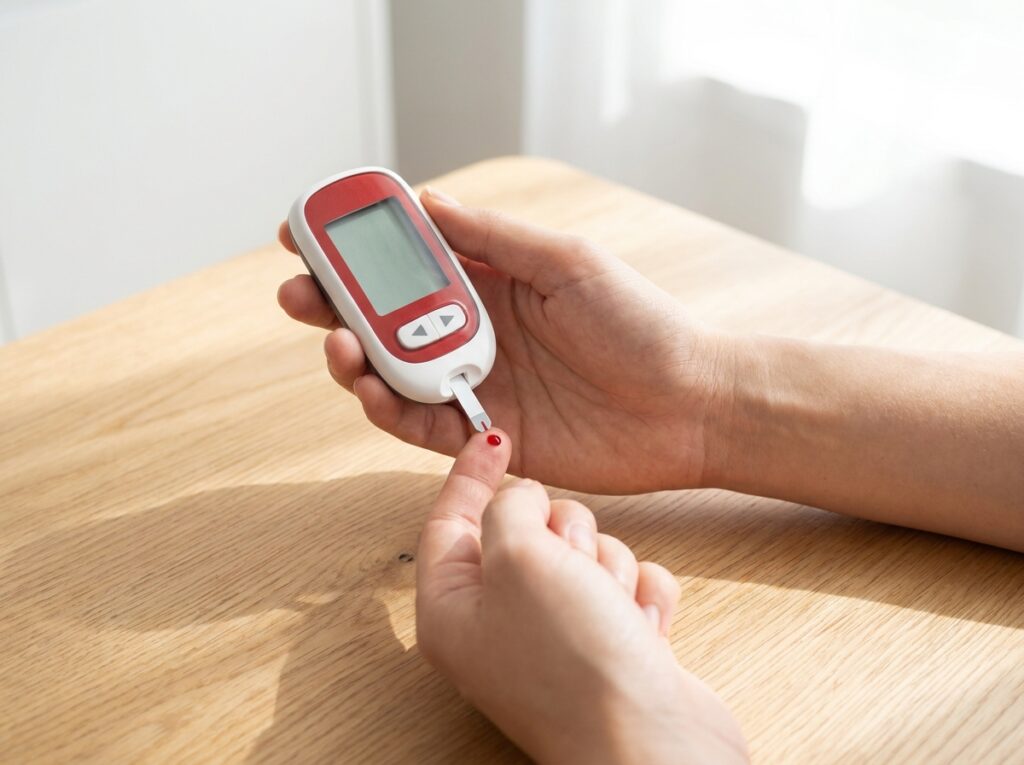
Consistent blood sugar monitoring — whether with a standard glucometer or a continuous glucose monitor (CGM) — produces measurable improvements in glycemic control independent of any other intervention. The mechanism is behavioral: real-time data creates direct feedback between specific foods, activities, and blood sugar responses, enabling personalized adjustments that general guidelines cannot provide.
People using CGMs consistently show lower HbA1c levels than those relying on periodic fasting glucose checks alone. Understanding your personal glucose response to specific meals is one of the most powerful tools available for long-term blood sugar management.
When to Seek Medical Attention
These strategies support blood sugar management and are appropriate alongside medical treatment — they are not replacements for prescribed medication. Seek prompt medical evaluation if your fasting blood sugar consistently exceeds 130 mg/dL, your blood sugar rises above 180 mg/dL two hours after meals, or you experience symptoms of hyperglycemia: extreme thirst, frequent urination, fatigue, or blurred vision.
This article is for informational purposes only and does not replace professional medical advice. Blood sugar management strategies should be developed with a licensed healthcare provider based on your specific diagnosis, medications, and health history.