
It’s a familiar scene: a mother standing in the baby food aisle at the supermarket, surrounded by colorful jars with smiling babies and promises of complete nutrition. It’s convenient, fast, and seems safe.
After all, if it’s sold for babies, it must be good for them… right?
The answer modern pediatrics has been giving is more cautious than the baby food industry would like. And understanding why could completely change the way you introduce food to your 6-month-old baby — with effects that go far beyond infancy.
Why 6 Months Is Such an Important Stage
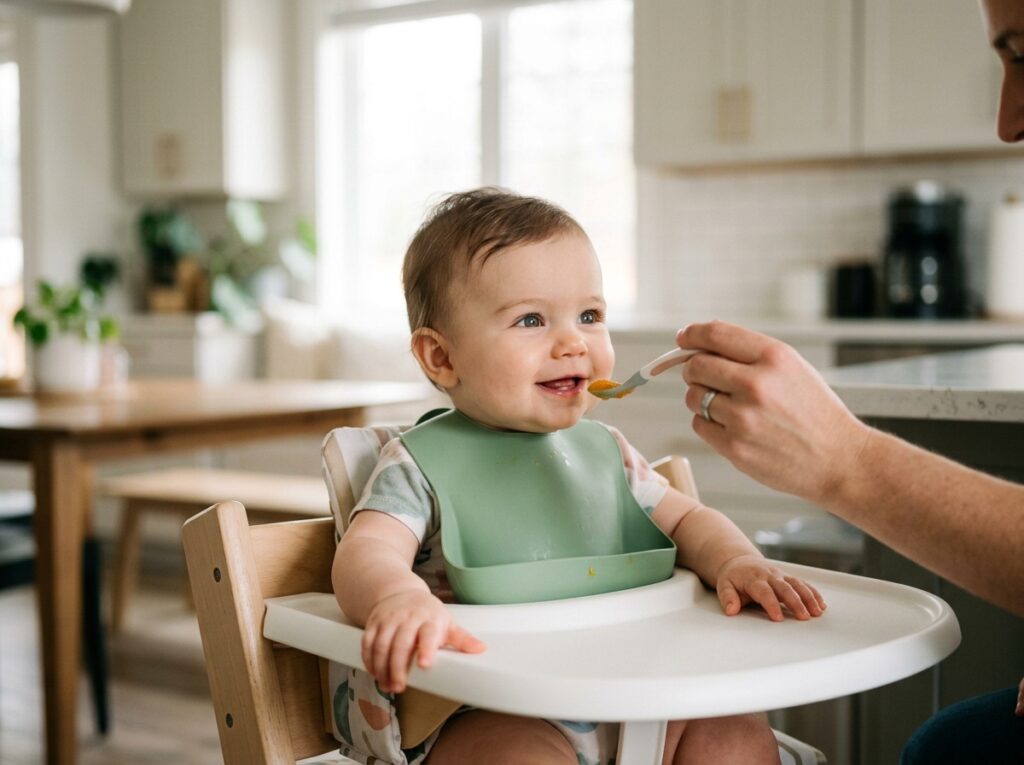
Starting solid foods at 6 months is not an arbitrary date. It’s a biological window — a period when the baby’s digestive system becomes mature enough to process foods beyond breast milk, and when the immune system is prepared for contact with new food components.
More than just providing nutrition, food introduction during this stage shapes taste preferences, develops oral motor coordination, stimulates the central nervous system, and builds the baby’s emotional relationship with food — a relationship that can last a lifetime.
That’s why what you offer, and how you offer it, matters much more than most people realize.
The Real Problem With Store-Bought Baby Food
Commercial baby food isn’t necessarily “poison.” The issue is more subtle — and that’s exactly why it’s harder to notice.
Overly Smooth Texture
Store-bought purées are ultra-smooth and uniform, processed to be swallowed effortlessly. That may sound beneficial, but it deprives the baby of an essential developmental stimulus: learning to handle different textures. When this skill isn’t developed during the right window, it has been associated with greater food selectivity during childhood and more difficulty transitioning to solid foods after age 2.
Standardized, Sweeter Flavor
Many packaged baby foods have a sweeter and more uniform taste than homemade meals. A baby’s palate is extremely adaptable during the first months of life, and it quickly adjusts to that pattern — often rejecting more neutral, bitter, or complex flavors later on, which are exactly the flavors naturally found in fresh vegetables.
Lack of Sensory Experience
Eating is a multisensory experience. Color, smell, texture, and temperature all provide important information for the developing brain. Jarred baby food, with its standardized appearance and smell, offers a much more limited sensory experience compared to freshly prepared meals at home.
This does not mean you can never use commercial baby food during travel or emergencies. It simply means it should not become the foundation of your baby’s diet.
What to Feed a 6-Month-Old Baby
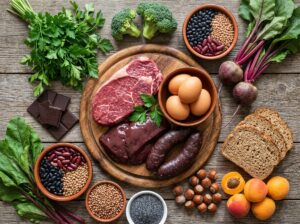
Health organizations recommend beginning complementary feeding with fresh, minimally processed foods prepared at home, with a consistency that is neither too runny nor too solid.
Foods That Can Be Introduced at 6 Months
Grains and starches:
- Rice
- Potatoes
- Sweet potatoes
- Cassava
- Yams
- Pasta
Legumes:
- Beans
- Lentils
- Peas
- Chickpeas
(always well cooked and mashed)
Proteins:
- Chicken
- Beef
- Fish
- Liver
(excellent sources of iron and zinc)
Vegetables:
- Zucchini
- Carrots
- Chayote
- Beets
- Broccoli
- Cauliflower
- Spinach
Fruits:
- Banana
- Papaya
- Apple
- Pear
- Mango
- Melon
(served mashed or scraped)
Eggs:
- Both yolk and egg white can be introduced starting at 6 months.
Foods to Avoid Before Age 1
- Honey — risk of infant botulism
- Added salt and sugar — babies’ kidneys are not mature enough for excess sodium, and sugar conditions the palate too early
- Cow’s milk as the main drink — may be used in recipes, but should not replace breast milk or formula
- Ultra-processed foods, processed meats, fried foods, and soda
Meal Plan for a 6-Month-Old Baby
During the first months of complementary feeding, breast milk or formula remains the baby’s main source of nutrition. Solid foods begin as a complement, not a replacement.
Suggested Routine
Upon waking:
- Breast milk or formula
Lunch (main solid meal):
- Complete savory purée: grain or starch + legume + animal protein + vegetable
Afternoon snack:
- Mashed or scraped fruit
Dinner:
- Breast milk or formula
(In the first months, a solid dinner is optional and can be gradually introduced after the baby adapts well to lunch.)
Before bedtime:
- Breast milk or formula
The initial quantity is small — about 2 to 3 tablespoons — and gradually increases as the baby shows interest and tolerance. Never force-feed. Babies are born with natural hunger and fullness regulation mechanisms that should be respected from the beginning.
3 Easy and Nutritious Recipes for 6-Month-Old Babies
Chicken, Sweet Potato, and Carrot Purée
Ingredients:
- 2 tablespoons cooked shredded chicken
- 1 medium cooked sweet potato
- ½ cooked carrot
- 1 tablespoon cooked mashed beans
- Cooking water to adjust consistency
Instructions:
Mash all ingredients with a fork until you get a soft purée with small pieces remaining — this helps stimulate chewing development. Add cooking water as needed for consistency. Do not add salt.
Fish, Zucchini, and Rice Purée
Ingredients:
- 2 tablespoons cooked shredded white fish fillet
- 2 tablespoons well-cooked rice
- ½ cooked zucchini
- 1 cooked spinach leaf
- A drizzle of extra virgin olive oil
Instructions:
Mash everything with a fork. Add the olive oil at the end — it improves absorption of fat-soluble vitamins — and adjust consistency with cooking water. Fish is one of the best natural sources of omega-3 for brain development.
Lentil, Potato, and Broccoli Purée
Ingredients:
- 2 tablespoons cooked lentils
- 1 medium cooked potato
- 2 cooked broccoli florets
- 1 teaspoon cooked mashed beef liver (optional but highly nutritious)
Instructions:
Mash all ingredients, adjust consistency, and serve warm. Lentils are rich in non-heme iron — to improve absorption, squeeze a small drop of lemon juice into the purée after preparation.
Practical Tips to Make Food Introduction Easier
- Freeze portions in ice cube trays: prepare larger batches and freeze individual portions. They can last up to 30 days in the freezer and make busy days much easier.
- Introduce new foods at lunch, never at night: if an allergic reaction occurs, it’s easier to observe and identify during the day.
- Respect food refusals without forcing: simply offer the rejected food again another day. Studies show babies may need 8 to 15 exposures to accept a new food.
- Eat together with your baby: imitation is one of the strongest drivers of food acceptance at this age.
- Avoid screens during meals: babies need to stay engaged and connected to the eating experience.
Conclusion
Introducing solid foods at 6 months is about much more than nutrition. It marks the beginning of your child’s relationship with food — and when built properly, it encourages health, independence, and enjoyment around meals for life.
Choosing fresh foods prepared at home, with varied textures and without added salt or sugar, is not “overprotective parenting.” It’s what science recommends and what a baby’s body truly needs during this crucial developmental window.
Commercial baby food may occasionally help in emergencies. But real food, prepared with care, remains irreplaceable.
Know a parent who’s just starting solids with their baby? Share this article — it could make a huge difference during this important stage.