
It begins like dozens of other illnesses you’ve had and recovered from without a second thought. Fever. Fatigue. Muscle aches. Maybe a headache and some nausea. You rest, drink fluids, and wait for it to pass. For most people with hantavirus, waiting is the worst decision they can make.
Within days — sometimes as few as four or five — what appeared to be a manageable viral illness can progress to severe respiratory failure or hemorrhagic shock. The case fatality rate for the most serious form of hantavirus disease ranges from 30 to 40%. There is no specific antiviral treatment. No vaccine. And by the time the diagnosis is confirmed, the window for the most effective supportive care is often already closing.
Health authorities in multiple regions are monitoring hantavirus activity in 2026 with heightened attention — driven by ecological shifts, rodent population dynamics, and increased human exposure in areas where the virus circulates. Understanding what hantavirus is, how it spreads, and what its early symptoms look like is no longer information reserved for rural communities or outdoor workers. It is information everyone should have.
What Is Hantavirus?
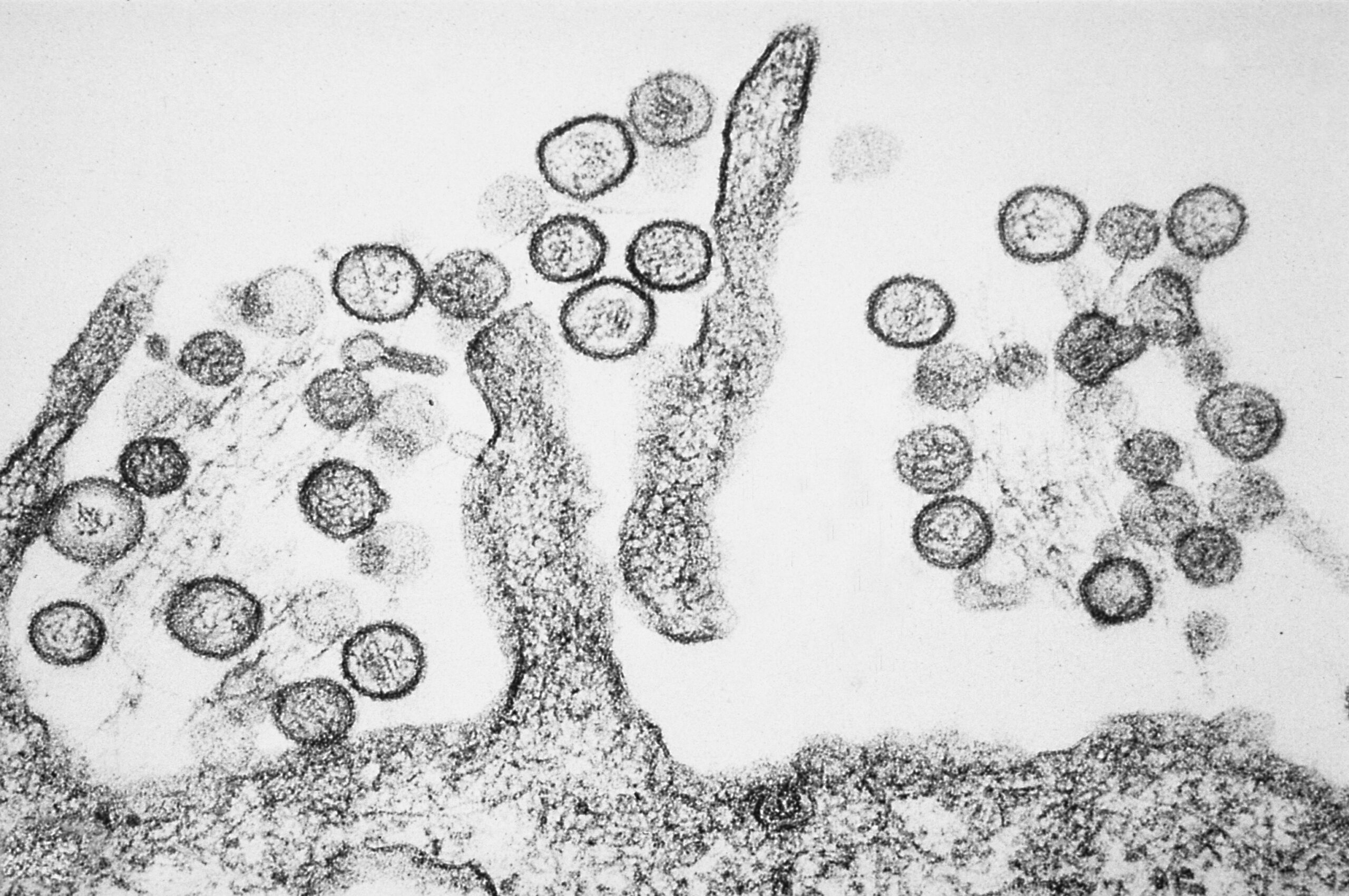
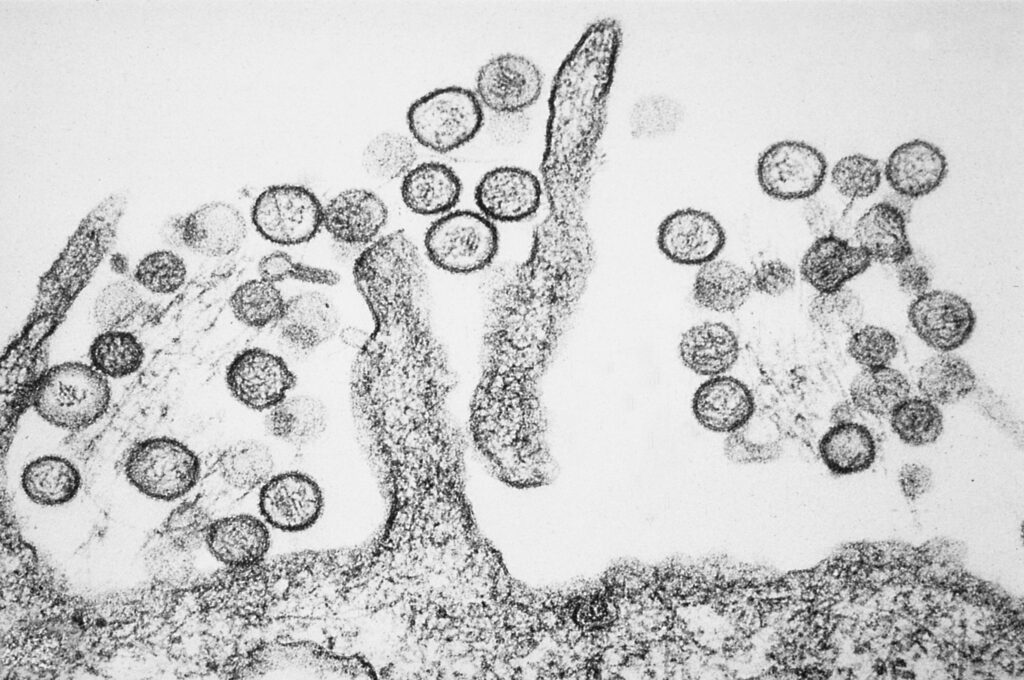
Hantavirus is a family of RNA viruses carried primarily by rodents — each virus species associated with a specific rodent host. The viruses do not make their animal hosts sick, but in humans they cause two distinct and serious disease syndromes depending on which strain is involved and where in the world exposure occurs.
Hantavirus Pulmonary Syndrome (HPS) — the form predominant in the Americas, particularly North and South America — attacks the lungs, causing fluid accumulation in the lung tissue (pulmonary edema) that can rapidly progress to respiratory failure. The Sin Nombre virus, carried by the deer mouse (Peromyscus maniculatus), is responsible for most HPS cases in North America. The Andes virus, found in South America, is responsible for a significant proportion of cases in Argentina and Chile — and is the only hantavirus strain with documented human-to-human transmission.
Hemorrhagic Fever with Renal Syndrome (HFRS) — predominant in Europe and Asia — primarily attacks the kidneys, causing hemorrhagic complications and renal failure. Strains responsible for HFRS include Hantaan virus (Asia), Seoul virus (worldwide, carried by the common rat), Puumala virus (Europe), and Dobrava virus (Balkans). Seoul virus is of particular global concern because its host — the brown rat (Rattus norvegicus) — is found on every inhabited continent.
How Hantavirus Spreads to Humans
Understanding transmission is essential for prevention — and the primary route may surprise people who assume infectious diseases spread person to person.
The main route of human infection is inhalation of infected rodent excreta. When rodents infected with hantavirus urinate, defecate, or shed saliva, viral particles become aerosolized as the materials dry. A person who disturbs rodent droppings — sweeping an infested cabin, cleaning a shed, handling nesting materials, or working in an area with rodent activity — can inhale these particles without any direct contact with the animal itself.
This means you do not need to see, touch, or be bitten by a rodent to contract hantavirus. You need only breathe in a space where infected rodents have been active.
Other documented transmission routes include:
- Direct contact with infected rodents or their droppings, urine, or saliva through broken skin or mucous membranes
- Rodent bites — less common but documented
- Human-to-human transmission — documented exclusively with the Andes virus strain in South America, not with North American strains
Activities that elevate risk include: opening and cleaning structures that have been closed over winter (cabins, barns, storage sheds), agricultural work in areas with high rodent populations, camping in rodent-active areas, hiking through tall grass or brush, and handling stored materials in infested spaces.
Why Health Authorities Are Monitoring Hantavirus Closely in 2026
Several converging factors are driving heightened surveillance of hantavirus activity this year.
Rodent population cycles. Hantavirus risk is directly tied to the size and distribution of rodent host populations, which fluctuate in multi-year cycles driven by food availability — particularly mast years, when forests produce abundant acorns and seeds that sustain large rodent populations. Elevated rodent numbers mean more infected animals, more contaminated environments, and more human exposure opportunities.
Climate-driven habitat shifts. Changing precipitation patterns, warmer winters, and altered vegetation cycles are expanding the geographic range of hantavirus host species into areas where human populations have no historical awareness of the risk. Regions not previously associated with hantavirus exposure are seeing rodent host species establish new territory.
Post-pandemic outdoor activity. Increased use of rural properties, national parks, camping sites, and wilderness areas — a trend that accelerated during and after the COVID-19 pandemic — has expanded the pool of people entering rodent-active environments without awareness of hantavirus risk.
Seoul virus global distribution. Unlike geographically restricted strains, Seoul virus circulates in rat populations worldwide. Cases have been identified across Europe, Asia, North America, and South America in recent years, with some linked to domestically kept pet rats and imported rodents — bringing hantavirus risk into urban and suburban contexts far removed from traditional risk areas.
Health authorities emphasize that hantavirus is not a new disease and is not spreading between humans in the manner of pandemic-capable pathogens. The monitoring reflects appropriate vigilance in response to ecological conditions that increase exposure risk — not an imminent outbreak of the type seen with respiratory pandemic viruses.
Symptoms: The Dangerous Deception
The clinical course of hantavirus pulmonary syndrome unfolds in phases — and the first phase is where lives are lost to misidentification.
Prodromal Phase (Days 1–5 after exposure):
Symptoms are indistinguishable from influenza or a nonspecific viral illness:
- Fever (often 38–40°C / 100–104°F)
- Severe fatigue and weakness
- Deep muscle aches, particularly in the thighs, hips, and back
- Headache
- Dizziness
- Chills
- Nausea, vomiting, and abdominal pain (present in approximately half of cases)
There is no cough, no runny nose, and no sore throat at this stage — an absence that distinguishes HPS from common respiratory viruses when recognized, but is rarely noted by patients managing what they believe to be flu.
Cardiopulmonary Phase (Days 4–10):
This is where hantavirus reveals itself — and where the situation can become life-threatening within hours.
- Cough develops suddenly
- Shortness of breath rapidly worsens — initially with exertion, then at rest
- Fluid fills the lungs (non-cardiogenic pulmonary edema)
- Blood pressure drops as cardiac output falls
- Oxygen saturation declines
- In severe cases: respiratory failure requiring mechanical ventilation, shock, and cardiac arrhythmia
The transition from prodromal to cardiopulmonary phase can occur over 24 hours or less. Patients who were walking and talking the previous day can be in the ICU the next.
For HFRS strains, the progression is different: fever, back and abdominal pain, and headache are followed by hemorrhagic manifestations and kidney failure, with a more prolonged clinical course.
When to Seek Emergency Care
Seek emergency medical care immediately if flu-like symptoms are accompanied by:
- Recent exposure to rodents or rodent-contaminated environments
- Shortness of breath that develops or worsens suddenly
- Cough following several days of fever and muscle aches
- Rapid decline in exercise tolerance — breathlessness climbing stairs when you were fine the day before
Tell the treating clinician about any potential rodent exposure. Hantavirus is not on most emergency physicians’ immediate differential for a febrile illness — your history is essential to trigger the right testing.
Prevention: What Actually Works
Since there is no treatment or vaccine, prevention is the only reliable protection.
When cleaning rodent-infested areas:
- Never sweep or vacuum dry rodent droppings — this aerosolizes virus particles
- Ventilate the space for 30 minutes before entering
- Wear an N95 respirator, rubber gloves, and eye protection
- Wet droppings with a bleach solution (1 part bleach to 9 parts water) and leave for 5 minutes before wiping up with paper towels
- Seal and discard all materials in plastic bags
For ongoing prevention:
- Seal gaps and entry points around your home’s foundation, pipes, and walls
- Store food — including pet food — in sealed containers
- Clear brush, woodpiles, and debris away from the home’s perimeter
- Use snap traps rather than poison bait if rodent control is needed indoors — poisoned rodents can die in inaccessible areas and still pose an inhalation risk
The Bottom Line
Hantavirus is rare — but it is not exotic, it is not confined to wilderness areas, and it does not announce itself differently from dozens of illnesses that resolve on their own. Its danger lies entirely in that resemblance and in the speed with which the cardiopulmonary phase arrives after days of deceptive mildness.
Know the risk. Recognize the exposure history. Act before the cough starts.
Share this article with anyone who spends time in rural areas, cleans outbuildings, or works outdoors — the information here could make the difference between early intervention and a life-threatening emergency.