
The first four days of hantavirus infection are indistinguishable from influenza by symptom alone. Fever, fatigue, muscle aches, headache, chills — the presentation is so consistent with a routine viral illness that the majority of patients who develop hantavirus pulmonary syndrome initially manage their symptoms at home, assuming they have the flu.
Then, on approximately day four to five, something changes. Suddenly. A cough develops. Breathing becomes labored. Within 24 to 48 hours, fluid accumulates in the lungs at a rate that can overwhelm respiratory function entirely. At that point, the window for intervention is measured in hours, not days.
Hantavirus pulmonary syndrome (HPS) has killed approximately 38% of the patients diagnosed with it in the United States since surveillance began in 1993 — making it one of the deadliest infectious diseases on American soil. The survival rate is heavily dependent on one variable: how quickly the transition from flu-like illness to respiratory deterioration is recognized and acted upon. Every hour between the onset of respiratory symptoms and ICU admission matters.
What Hantavirus Is — and How It Spreads
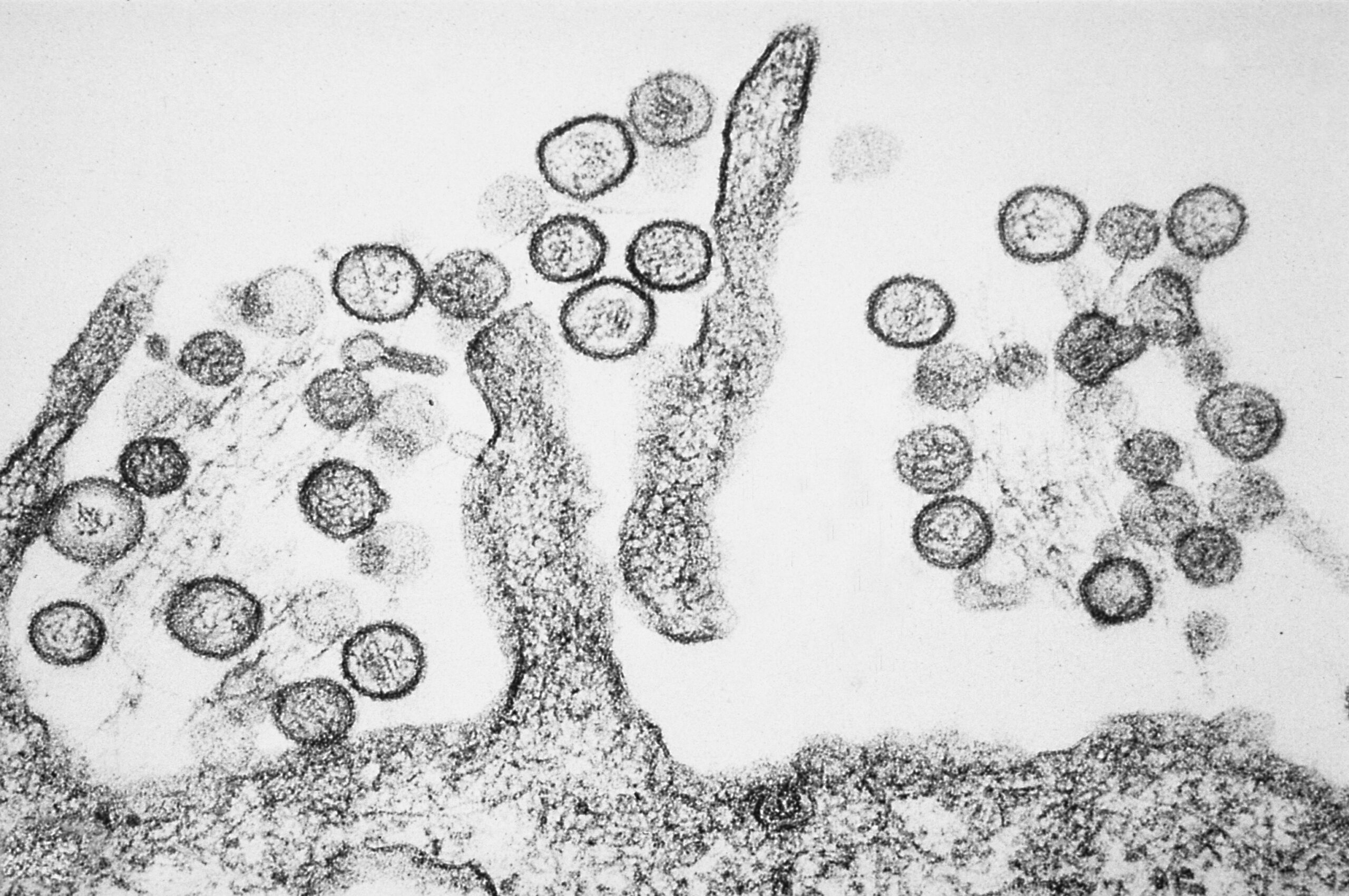
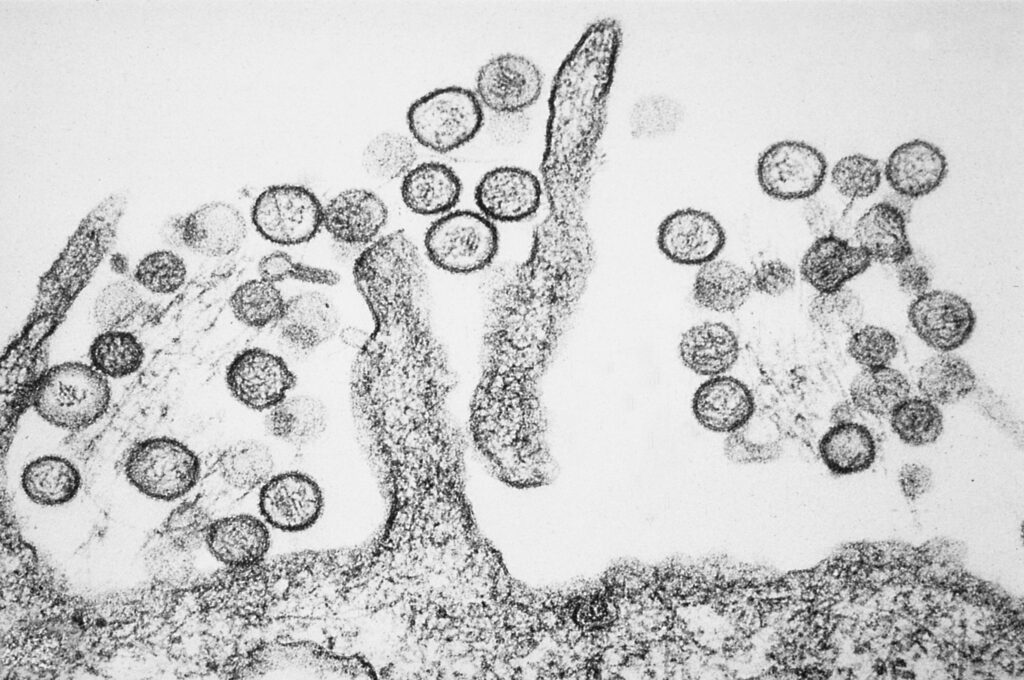
Hantaviruses are a family of RNA viruses carried primarily by rodents. In North America, the primary culprit is the Sin Nombre virus, carried by the deer mouse (Peromyscus maniculatus) — a common wild rodent found across the western United States, particularly in rural and semi-rural areas.
Transmission to humans occurs almost exclusively through inhalation of aerosolized particles from infected rodent urine, droppings, or nesting materials. When dried rodent excreta is disturbed — by sweeping, vacuuming, demolishing old structures, or opening long-closed spaces — microscopic particles become airborne and can be inhaled. The virus enters the respiratory tract and spreads from there.
This transmission mechanism is precisely why exposure is so easy to miss. There is no dramatic event, no bite, no visible illness in the rodent. A person cleans out a barn, opens a vacation cabin that has been closed for months, or works in an attic where mice have nested — and inhales particles they cannot see.
Hantavirus does not spread between people in North America. A person with HPS poses no infection risk to family members, healthcare workers, or contacts. (The Andes virus in South America is the only known hantavirus with documented person-to-person transmission.) This distinction is clinically important: isolation of the patient is not necessary, but recognition of the illness is.
The Three Phases — and Where the Flu Comparison Breaks Down
Phase 1: The Prodrome (Days 1–5)
The prodromal phase begins one to five weeks after exposure — the incubation period ranges from one to eight weeks, with most cases presenting two to four weeks after the exposure event.
Symptoms in this phase are non-specific and flu-like:
- Fever (often 38–40°C / 101–104°F)
- Profound fatigue — described by patients as severe, disproportionate to other symptoms
- Muscle aches — concentrated in large muscle groups: thighs, hips, lower back, and shoulders. This deep musculoskeletal pain is more intense than typical influenza myalgia.
- Headache
- Dizziness
- Gastrointestinal symptoms in approximately half of cases: nausea, vomiting, abdominal pain, diarrhea
What is absent in this phase is diagnostically significant: there is typically no sore throat, no nasal congestion, and no runny nose in HPS. The upper respiratory tract symptoms that are nearly universal in influenza — and that most people identify as the hallmark of “having the flu” — are not part of the hantavirus prodrome. A patient with severe muscle aches and fever but no nasal symptoms who has had potential rodent exposure should not be reassured by the absence of a runny nose.
Phase 2: Cardiopulmonary Deterioration (Days 4–10)
The transition from prodrome to cardiopulmonary phase is the critical inflection point — and its speed is what kills.
Over a period of hours, three things develop simultaneously:
- Cough — initially dry, then increasingly productive
- Shortness of breath — rapidly progressive, often described as breathing through a wet cloth
- Hypoxia — dropping blood oxygen saturation, visible on pulse oximetry
The mechanism is non-cardiogenic pulmonary edema: the virus triggers a massive inflammatory response in the lung capillaries, causing them to leak fluid into the alveoli. The lungs fill. Oxygenation fails. Without mechanical ventilation and intensive cardiovascular support, respiratory failure and death follow within 24 to 48 hours.
Blood pressure may drop severely (distributive shock) as cytokines cause systemic vasodilation. Platelet counts fall (thrombocytopenia) — a laboratory finding that, in the context of respiratory deterioration and possible rodent exposure, should immediately raise suspicion for HPS.
This is where hantavirus stops looking like the flu. Influenza produces a gradual, manageable respiratory illness in most adults. HPS produces a sudden, catastrophic lung failure that occurs after a period of apparent flu-like illness — a presentation that catches patients and sometimes physicians off guard.
Phase 3: Recovery or Death
Patients who survive the cardiopulmonary phase — those who receive mechanical ventilation and ICU support before irreversible hypoxic injury — typically begin improving within three to seven days and make a full recovery over two to three weeks. There are no known long-term sequelae in survivors. The lung damage, despite its severity, resolves completely in most cases.
There is currently no specific antiviral treatment for hantavirus. Ribavirin has been studied and does not demonstrate clear benefit in established HPS. Treatment is entirely supportive: mechanical ventilation, extracorporeal membrane oxygenation (ECMO) in severe cases, vasopressors for shock, and careful fluid management to avoid worsening pulmonary edema.
Who Is at Risk and Where
HPS cases are concentrated in the western United States, with the Four Corners region (Arizona, New Mexico, Utah, Colorado) historically reporting the highest incidence. Cases have been documented in all western states and in eastern states, though less frequently.
High-risk activities and settings:
- Cleaning rodent-infested spaces — barns, sheds, cabins, attics, crawlspaces, garages
- Opening structures that have been closed for months or seasons (vacation homes, storage units, seasonal workspaces)
- Camping and sleeping outdoors in areas with visible rodent activity
- Occupational exposure — farm workers, forestry personnel, construction workers disturbing old structures
- Planting or harvesting in fields where rodents have nested
The deer mouse is most active in rural and semi-rural western environments but is not confined to wilderness. Suburban and peri-urban homes with accessible crawlspaces or attics are not risk-free.
If You Have Had Potential Exposure
The incubation period of two to four weeks means that exposure and illness are separated by enough time that the connection is not always made. If you have been in a space with visible rodent activity, disturbed dried rodent materials, or found evidence of a mouse infestation — and within the following four weeks develop a febrile illness with significant muscle pain — mention the exposure to your physician explicitly.
A complete blood count showing thrombocytopenia, elevated hematocrit, and elevated white blood cell count with immature forms (left shift) is the laboratory pattern most consistent with early HPS. A chest X-ray showing bilateral infiltrates (fluid in both lungs) in the context of these symptoms is an emergency.
Go directly to an emergency department — do not wait for a scheduled appointment — if you have known rodent exposure and develop any shortness of breath, cough with a fever, or worsening difficulty breathing. The cardiopulmonary phase of HPS is treatable with aggressive ICU support. It is not survivable if that support arrives after respiratory failure is established.
Prevention — The One Layer That Matters Most
Because there is no vaccine and no antiviral treatment, prevention is the only reliable protection.
When cleaning rodent-infested areas:
- Ventilate the space for at least 30 minutes before entering — open windows and doors, use a fan, do not enter immediately
- Wear an N95 respirator (not a surgical mask) and latex or rubber gloves
- Do not sweep or vacuum dry rodent droppings — this aerosolizes the virus. Spray materials with a 10% bleach solution (one part bleach to nine parts water) and let soak for five minutes before wiping up with paper towels
- Bag all materials in sealed plastic bags before disposal
- Wash hands thoroughly after removing gloves
To reduce rodent access to living spaces:
- Seal gaps larger than a pencil width in foundations, walls, and around pipes — mice can enter through remarkably small openings
- Store food (including pet food) in sealed metal or heavy plastic containers
- Keep woodpiles and debris away from the home’s perimeter
This article is for informational purposes only and does not replace professional medical advice. Hantavirus pulmonary syndrome is a medical emergency. If you suspect exposure and develop fever with muscle aches, or any respiratory symptoms following potential rodent contact, seek emergency medical care immediately and inform the treating physician of the potential exposure.