
The idea sounds almost too simple not to work: fast for 16 hours, eat during the next 8, lose weight. Millions of people adopted intermittent fasting with exactly that logic — and millions became frustrated when the scale barely moved. The problem is not the fasting itself.
The problem is what happens when the eating window opens. People who use those 8 hours to “compensate” for the fasting period — overeating, choosing ultra-processed foods, or simply not planning meals — usually do not get results. Intermittent fasting is not a license to eat anything in a shorter time frame. It is a metabolic tool that only works properly when combined with quality nutrition.
Understanding what to eat, what to avoid, and how to structure meals during the eating window is what transforms fasting from frustration into real results.
What Is Intermittent Fasting and How Does It Work?
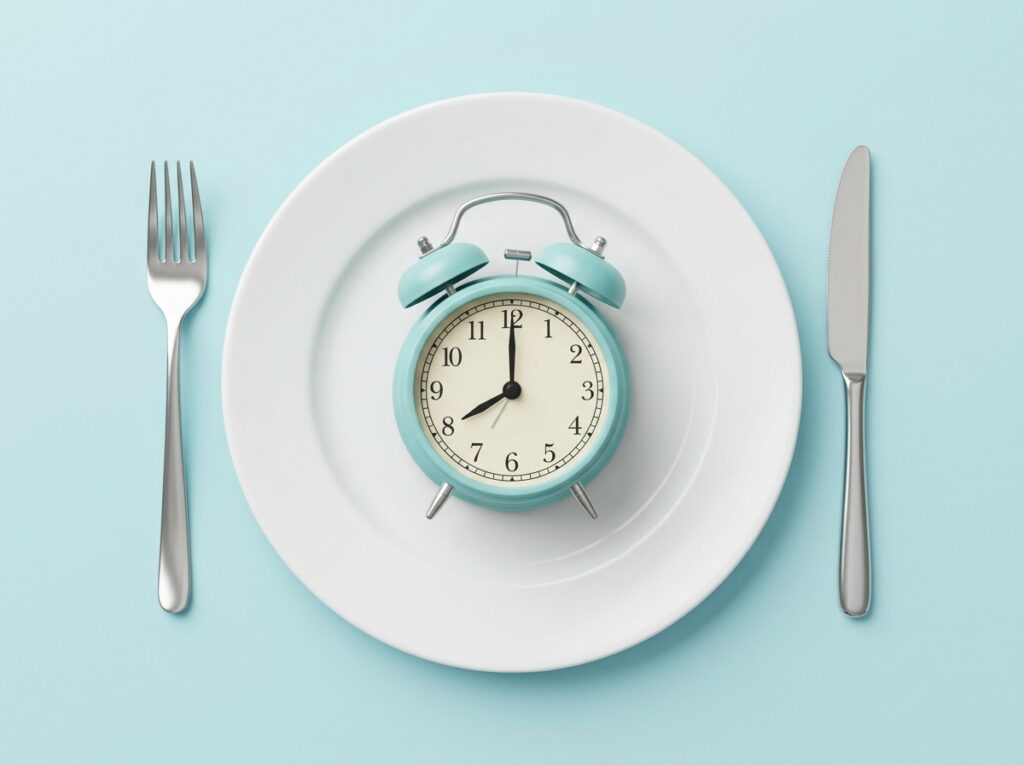
Intermittent fasting is not a diet — it is an eating pattern that alternates periods of fasting with periods of eating.
The most popular method is:
- 16/8 fasting
- 16 hours fasting
- 8 hours eating window
During fasting, the body goes through progressive metabolic changes:
First 4–6 Hours
- Insulin levels fall
- The body uses liver glycogen for energy
6–12 Hours
- Glycogen stores decline
- Fat mobilization begins increasing
12–16 Hours
- Lipolysis intensifies
- Growth hormone levels rise
- Autophagy (cellular cleanup processes) begins increasing
16+ Hours
- Fat burning becomes more established
- Autophagy becomes more active
- Insulin sensitivity improves
The metabolic benefits of fasting come precisely from this prolonged period without elevated insulin.
When the eating window opens with foods that spike insulin rapidly — sugar, refined flour, ultra-processed foods — much of the metabolic advantage from the fasting period can disappear within minutes.
What Does NOT Break a Fast
Before discussing meals, it’s important to understand what can generally be consumed during fasting without significantly interrupting metabolic benefits.
Usually Allowed During Fasting
✅ Water — unlimited
✅ Unsweetened tea — chamomile, lemon balm, green tea, black tea
✅ Black coffee without sugar — moderate amounts
✅ Sparkling water without flavorings
✅ Electrolytes and salt dissolved in water
What Breaks the Fast
❌ Solid food
❌ Juice — even natural juice
❌ Milk or plant-based milk
❌ Sweeteners — debate exists, but caloric sweeteners clearly break fasting; even noncaloric sweeteners may trigger insulin responses in some people
❌ Broth with meaningful amounts of fat or protein
What to Eat During the Eating Window
The eating window should nourish the body with:
- protein
- quality fats
- fiber
- micronutrients
—not compensate emotionally for fasting.
Protein — The Absolute Priority
Protein is the most important macronutrient during intermittent fasting for two major reasons:
- It preserves muscle mass during fasting periods
- It has the strongest satiety effect
Best Protein Sources
- Whole eggs
- Chicken and turkey
- Fish — salmon, tuna, sardines, tilapia
- Lean beef
- Cottage cheese
- Greek yogurt
- Ricotta cheese
- Beans, lentils, chickpeas (for those not following low carb)
Healthy Fats
Healthy fats:
- prolong satiety
- stabilize blood sugar
- provide slow, sustained energy
which helps people tolerate the next fasting period more comfortably.
Best Fat Sources
- Avocados
- Extra virgin olive oil
- Nuts — walnuts, almonds, Brazil nuts
- Whole eggs
- Fatty fish
- Chia, flax, sunflower seeds
Carbohydrates — Complex and Fiber-Rich
Carbohydrates are not forbidden in intermittent fasting unless combined with ketogenic dieting.
What matters most is quality:
- fiber-rich
- minimally processed
- slow glucose release
Best Sources
- Brown rice
- Quinoa
- Oats
- Sweet potatoes
- Cassava
- Truly whole-grain bread
- Whole fruits
- Legumes
Vegetables and Fiber — Non-Negotiable
Fiber:
- feeds the gut microbiome
- slows glucose absorption
- increases satiety
Vegetables should appear in nearly every meal.
Prioritize Variety
- Broccoli
- Kale
- Spinach
- Zucchini
- Carrots
- Beets
- Tomatoes
- Cucumbers
- Onion
- Garlic
The more colorful and varied, the better.
What to Avoid During the Eating Window
Sugar and Refined Carbs
These are the biggest sabotagers of intermittent fasting.
They:
- spike insulin quickly
- interrupt fat burning
- trigger hunger again within hours
Examples:
- White bread
- Cookies
- Cake
- Soda
- Sweetened cereals
- Processed snacks
Ultra-Processed Foods
Foods with:
- long ingredient lists
- artificial additives
- trans fats
- excessive sodium
promote systemic inflammation and reduce many of the anti-inflammatory benefits associated with fasting.
Overeating to “Compensate”
One of the most common mistakes.
Fasting does not create a calorie debt that must be “paid back.”
Eating excessively because you “earned it” during fasting is one of the main reasons intermittent fasting fails for many people.
Alcohol
Alcohol:
- contains calories
- temporarily shifts metabolism away from fat burning
Occasional moderate intake is unlikely to ruin progress, but frequent alcohol consumption inside the eating window often slows results significantly.
3-Day Intermittent Fasting Meal Plan (16/8)
Example Schedule
Eating window:
- 12:00 PM to 8:00 PM
Fasting:
- 8:00 PM to 12:00 PM next day
Day 1
12 PM — First Meal (Breaking the Fast)
3-egg omelet with spinach, tomato, and cottage cheese
1 slice whole-grain toast with mashed avocado
Black coffee or green tea
3 PM — Snack
Greek yogurt with berries and sugar-free granola
Handful of walnuts
7:30 PM — Final Meal
Grilled chicken with herbs
Brown rice and beans
Leafy salad with carrots, cucumber, and olive oil
1 piece of fruit for dessert
Day 2
12 PM — First Meal
Tuna bowl:
- tuna
- brown rice
- avocado
- cucumber
- carrots
- edamame
- sesame-lemon dressing
3 PM — Snack
Apple with unsweetened peanut butter
Chamomile tea
7:30 PM — Final Meal
Herb-baked salmon
Roasted sweet potatoes with olive oil and rosemary
Steamed broccoli with lemon and olive oil
Arugula salad with cherry tomatoes
Day 3
12 PM — First Meal
3-ingredient oat pancake:
- oats
- banana
- egg
Greek yogurt with honey and cinnamon
Black coffee
3 PM — Snack
Brazil nuts and almonds
1 pear or orange
7:30 PM — Final Meal
Lean grilled beef with garlic and herbs
Quinoa with sautéed vegetables:
- zucchini
- bell peppers
- onions
Green salad with beets and olive oil
Tips to Make Intermittent Fasting Easier
Hydrate Aggressively During Fasting
Early hunger is often dehydration disguised as hunger.
Try:
- water
- tea
- black coffee
and wait 10 minutes before assuming you truly need food.
Break the Fast With Protein — Not Sugar
The first meal strongly influences blood sugar stability for the rest of the day.
Starting with:
- eggs
- Greek yogurt
- tuna
- protein + healthy fat
creates far better satiety than juice or pastries.
Don’t Break the Fast With Juice or Fruit Alone
Fruit alone spikes blood sugar rapidly.
If eating fruit at the first meal:
combine it with:
- protein
OR - healthy fat
Choose the Schedule That Fits Your Life
16/8 is popular — but not mandatory.
Other options include:
- 14/10 for beginners
- 18/6 for experienced fasters
The schedule should adapt to your lifestyle — not the opposite.
Avoid Excessive Coffee During Fasting
Moderate black coffee can suppress appetite.
But:
- more than 3 cups daily
may raise cortisol and worsen:
- anxiety
- hunger
- irritability
especially on an empty stomach.
Who Intermittent Fasting Works Best For
- People with insulin resistance or elevated blood sugar
- Individuals struggling with constant snacking
- People whose routine naturally delays breakfast
- Those wanting simpler meal planning
Who Should NOT Fast Without Guidance
- Pregnant or breastfeeding women
- People with eating disorder history
- Type 1 diabetics using insulin
- Underweight individuals
- Athletes during periods of extreme calorie demand
Conclusion
Intermittent fasting can be one of the most effective tools for:
- fat loss
- blood sugar control
- metabolic health
—but only when the eating window is treated with the same seriousness as the fasting window itself.
Skipping breakfast and then eating:
- pizza
- cookies
- soda
is not metabolic fasting.
It is simply poorly executed calorie restriction with a shorter eating schedule.
Plan your meals.
Prioritize protein.
Choose quality carbohydrates.
And treat every meal during the eating window as an opportunity to properly nourish the body that just spent hours in fat-burning mode.
The people who get results are usually the ones who respect both halves of the method — not just the fasting part.
Know someone doing intermittent fasting without seeing results? Share this article — the problem may not be the fasting itself, but what’s happening inside the eating window.