
A blood glucose result means nothing without context. The same number — say, 140 mg/dL — is entirely normal two hours after a meal, mildly elevated if measured fasting, and a diagnostic red flag if it appears on a specific laboratory test under specific conditions. Understanding blood glucose requires knowing not just what number appeared on a report, but which test produced it, when the blood was drawn, and what the reference ranges for that specific measurement actually are.
This distinction matters because 96 million American adults — more than one in three — currently have prediabetes, and 80% of them are unaware.
They have had blood drawn, results reported, and numbers that fall in the prediabetic range have been either not communicated clearly or not understood in context. The gap between a number on a lab report and the knowledge of what that number means is where years of preventable progression occur silently.
What Blood Glucose Is and Why It Changes
Blood glucose is the concentration of glucose — the primary fuel for cellular energy production — circulating in the bloodstream at any given moment. It is not fixed. It rises after every meal, falls with physical activity, increases under stress, drops during fasting, and fluctuates in response to dozens of hormonal and physiological variables throughout the day.
The hormone that governs blood glucose is insulin, produced by beta cells in the pancreas. When glucose enters the bloodstream after a meal, insulin is released, signaling cells throughout the body to absorb glucose for energy or storage. In type 2 diabetes, this system fails in two ways: the cells become resistant to insulin’s signal (insulin resistance), and the pancreas eventually cannot compensate with sufficient insulin production. The result is chronically elevated blood glucose that, over years, damages blood vessels, nerves, kidneys, eyes, and cardiovascular tissue.
The clinical purpose of blood glucose testing is to identify where an individual sits on the spectrum from normal glucose regulation to full diabetes — and to catch the intermediate stage (prediabetes) when lifestyle intervention can reverse the trajectory.
The Four Tests — and What Each Number Means
1. Fasting Blood Glucose (FBG)
The fasting blood glucose test measures blood sugar after a minimum of 8 hours without food or caloric beverages. It is the most common initial screening test for diabetes and prediabetes because it eliminates the confounding variable of recent food intake.
| Category | mg/dL | mmol/L |
|---|---|---|
| Normal | 70–99 | 3.9–5.5 |
| Prediabetes | 100–125 | 5.6–6.9 |
| Diabetes | ≥126 | ≥7.0 |
A single fasting result of 126 mg/dL or higher is not sufficient for a diabetes diagnosis — it must be confirmed by a second test on a separate day, or confirmed by a concurrent abnormal result on another test type.
What affects fasting glucose: Even fasting readings are not perfectly stable. A poor night’s sleep, significant stress, illness, certain medications (steroids, some antihypertensives, some antipsychotics), and the dawn phenomenon — a natural cortisol-driven glucose rise in the early morning hours — can elevate fasting glucose independently of dietary factors.
2. Postprandial Blood Glucose (After Meals)
Postprandial blood glucose measures the concentration of glucose in the blood at a defined time after eating — most commonly two hours after the start of a meal, or two hours after consuming a standardized 75-gram glucose solution (the oral glucose tolerance test, or OGTT).
| Category | mg/dL (2-hour) | mmol/L |
|---|---|---|
| Normal | <140 | <7.8 |
| Prediabetes | 140–199 | 7.8–11.0 |
| Diabetes | ≥200 | ≥11.1 |
The OGTT is more sensitive than fasting glucose for detecting prediabetes — it captures the body’s ability to handle a large glucose load, which may be impaired even when fasting levels appear normal. Many people who have normal fasting glucose have impaired glucose tolerance (prediabetes) that only appears on post-meal testing.
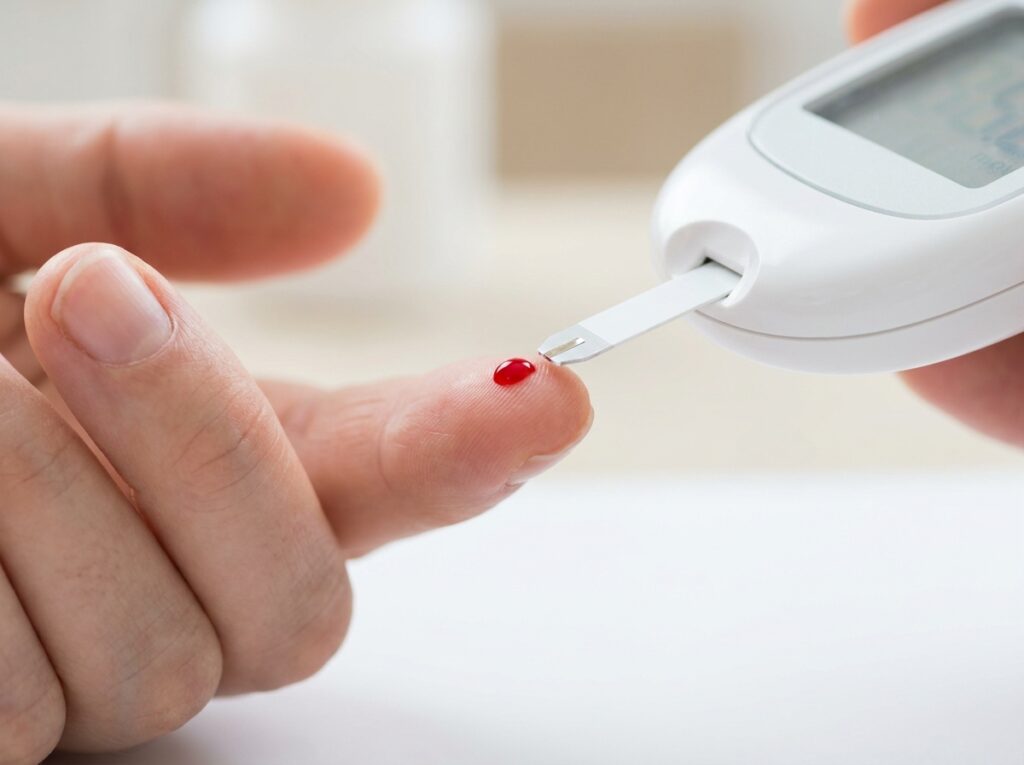
For people without diabetes monitoring their own blood glucose with a home glucometer after ordinary meals, peak readings typically occur 60 to 90 minutes after eating and should return below 140 mg/dL by the two-hour mark in individuals with normal glucose metabolism.
3. Random Blood Glucose
A random blood glucose test can be taken at any time, regardless of when the person last ate. It is used primarily in emergency or symptomatic contexts — when someone presents with classic symptoms of high blood sugar (excessive thirst, frequent urination, unexplained weight loss, blurred vision) and a clinical decision cannot wait for a fasting test.
| Category | mg/dL | mmol/L |
|---|---|---|
| Normal range | 70–140 | 3.9–7.8 |
| Diabetes (with symptoms) | ≥200 | ≥11.1 |
A random result of 200 mg/dL or higher in a symptomatic patient is sufficient to diagnose diabetes without confirmatory testing.
4. HbA1c (Glycated Hemoglobin)
The HbA1c test measures the percentage of hemoglobin — the protein in red blood cells — that has glucose attached to it. Because red blood cells survive approximately 90 days, HbA1c reflects average blood glucose over the preceding two to three months rather than a single point in time. It is the most clinically comprehensive measure of long-term glucose control and the primary tool for monitoring diabetes management.
| Category | HbA1c % | mmol/mol |
|---|---|---|
| Normal | <5.7% | <39 |
| Prediabetes | 5.7–6.4% | 39–46 |
| Diabetes | ≥6.5% | ≥48 |
HbA1c has significant advantages over single blood glucose measurements: it does not require fasting, is not affected by acute illness or stress on the day of testing, and captures glucose patterns across months rather than moments. Its limitation is that certain conditions — iron deficiency anemia, hemolytic anemia, recent blood transfusion, sickle cell trait — alter red blood cell turnover and can make HbA1c falsely low or high. In these cases, alternative testing is used.
Target Ranges for People With Diabetes
For individuals already diagnosed with diabetes, the reference ranges above no longer apply — management targets are set separately based on individual clinical factors.
| Measurement | Target (most adults with diabetes) |
|---|---|
| Fasting / pre-meal glucose | 80–130 mg/dL (4.4–7.2 mmol/L) |
| 2-hour post-meal glucose | <180 mg/dL (<10.0 mmol/L) |
| HbA1c | <7.0% (<53 mmol/mol) |
These are general targets from the American Diabetes Association. Individual targets may differ based on age, cardiovascular risk, hypoglycemia history, and other clinical factors — and should be set in consultation with a physician or endocrinologist.
Blood Sugar That Is Too Low: Hypoglycemia
Blood glucose can also fall below the normal range — a condition called hypoglycemia — which is medically significant and potentially dangerous.
| Category | mg/dL | mmol/L |
|---|---|---|
| Hypoglycemia threshold | <70 | <3.9 |
| Clinically significant | <54 | <3.0 |
| Severe hypoglycemia | <40 | <2.2 |
Hypoglycemia in people without diabetes is uncommon and warrants medical investigation when it occurs. In people with diabetes on insulin or sulfonylurea medications, hypoglycemia is a significant risk requiring education in recognition and correction.
Symptoms of hypoglycemia include shakiness, sweating, rapid heartbeat, confusion, difficulty concentrating, pallor, and in severe cases, loss of consciousness. Treatment: 15 to 20 grams of fast-acting carbohydrate (glucose tablets, juice, regular soda), followed by recheck in 15 minutes.
Factors That Raise and Lower Blood Glucose
Beyond food, these variables consistently affect blood glucose readings:
Raises blood glucose: Physical stress and illness, emotional stress (cortisol release), poor sleep, certain medications (corticosteroids, some antipsychotics, some blood pressure medications), dehydration, the dawn phenomenon.
Lowers blood glucose: Aerobic exercise (during and for up to 24 hours after), improved sleep, weight loss, increased dietary fiber, reduced refined carbohydrate intake, alcohol (can cause delayed hypoglycemia hours after drinking, particularly in those on insulin).
Who Should Test and How Often
For adults without diabetes or prediabetes:
- Fasting blood glucose or HbA1c every three years beginning at age 35, or earlier if risk factors are present (BMI ≥25, family history of diabetes, gestational diabetes history, hypertension, physical inactivity)
For adults with prediabetes:
- Annual testing to monitor for progression; lifestyle modification (7% weight loss, 150 minutes of moderate exercise weekly) reduces progression to diabetes by approximately 58% in clinical trials
For adults with diagnosed diabetes:
- Frequency of home blood glucose monitoring and HbA1c testing determined by treatment regimen and clinical status — typically HbA1c every three to six months
This article is for informational purposes only and does not replace professional medical advice. Blood glucose reference ranges may vary slightly between laboratories and clinical guidelines. Only a qualified healthcare provider can interpret your results in the context of your full medical history and determine whether testing, treatment, or lifestyle intervention is appropriate for you.