
When the ketogenic diet first exploded in popularity, it arrived with a dangerously oversimplified message: “Just cut carbs and eat a lot of fat.” Bacon for breakfast. Butter in everything. Cheese without guilt. It sounded liberating — and that exact mindset is why so many people start keto excited and quit two weeks later with little or no results. The ketogenic diet does work. It has:
- strong scientific backing
- consistent clinical research
- proven results for fat loss, blood sugar control, and mental clarity
But keto requires precision — in macronutrient ratios, food selection, and meal planning — far beyond “eat fat freely.” Understanding the real method before starting is what separates people who actually enter ketosis from people who spend weeks eating high-fat foods without seeing progress.
What Is the Ketogenic Diet?
The ketogenic diet is:
- very low in carbohydrates
- moderate in protein
- high in fat
Its goal is to shift the body into a metabolic state called ketosis.
Normally, the body relies mainly on glucose from carbohydrates for energy. But when carbohydrate intake becomes extremely low, the liver converts fat into ketone bodies, which become the primary fuel source for both the body and the brain.
Standard Macronutrient Breakdown
Fat
- 65–75% of total calories
Protein
- 20–25%
Carbohydrates
- 5–10%
- roughly 20–50g net carbs daily
Net carbs are calculated by subtracting fiber from total carbohydrates because fiber does not significantly raise blood sugar.
The Biggest Keto Mistake
Most beginners focus only on cutting carbs while eating excessive protein.
That matters because:
excess protein can be converted into glucose through a process called gluconeogenesis, which may prevent ketosis even with low carb intake.
On keto:
- fat should become the primary fuel source
- not protein
This is one of the most misunderstood parts of the diet.
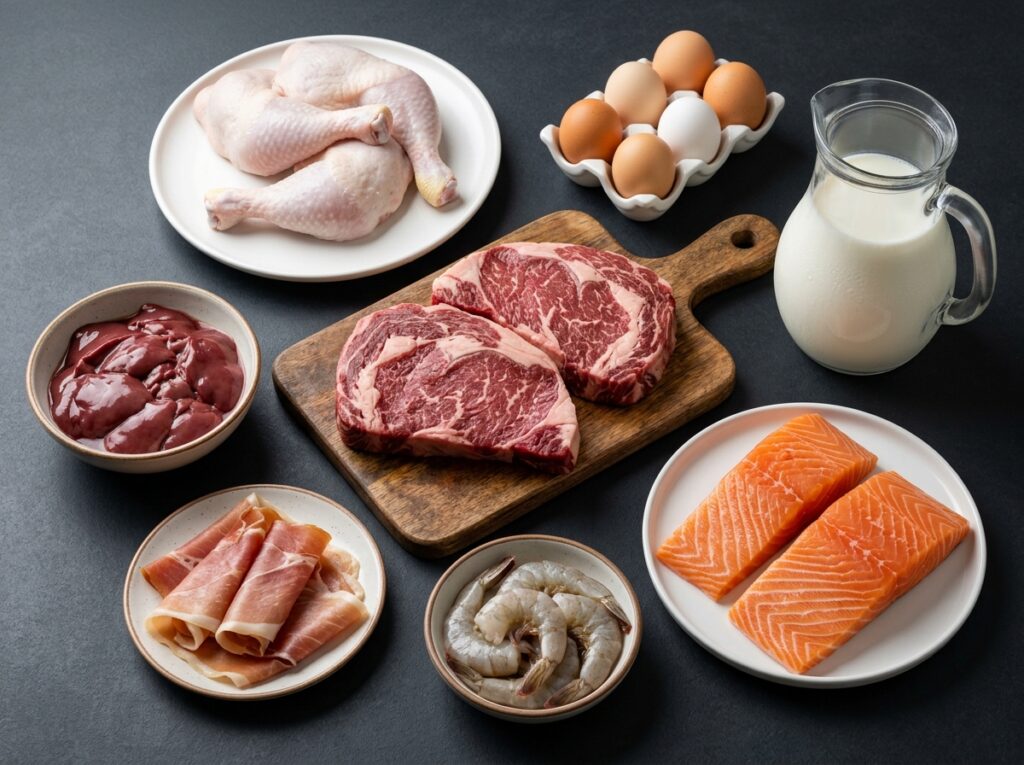
Foods Allowed on Keto
Fatty Meats
- Ribeye steak
- Beef ribs
- Chicken with skin
- Bacon without added sugar
- Sugar-free sausage
Fatty Fish
- Salmon
- Sardines
- Tuna
- Mackerel
Eggs
- Whole eggs freely allowed
Full-Fat Dairy
- Cheese
- Butter
- Heavy cream
- Full-fat Greek yogurt without sugar
Oils and Fats
- Extra virgin olive oil
- Coconut oil
- Ghee
Nuts and Seeds
- Walnuts
- Macadamias
- Almonds
- Brazil nuts
Avocados
One of the best keto foods available.
Low-Carb Vegetables
- Leafy greens
- Broccoli
- Cauliflower
- Zucchini
- Cucumbers
- Spinach
- Mushrooms
- Asparagus
Foods to Avoid Completely
Sugar in Any Form
Grains and Cereals
- Rice
- Wheat
- Oats
- Corn
Starchy Tubers
- Potatoes
- Cassava
- Yams
High-Sugar Fruits
- Bananas
- Mangoes
- Grapes
- Watermelon
Legumes
- Beans
- Lentils
- Chickpeas
Sugary Drinks and Carb-Heavy Alcohol
Fruits Allowed in Moderation
Small amounts of:
- Strawberries
- Raspberries
- Blueberries
can fit because of their lower glycemic impact.
The Keto Flu — The Biggest Obstacle During the First Week
During the first 3–5 days, many people experience:
- headaches
- fatigue
- irritability
- dizziness
- nausea
- brain fog
This is called the keto flu — and it’s the main reason people quit early.
The cause is twofold:
- The body is transitioning from glucose to fat as fuel
- Low carb intake causes the kidneys to excrete more water and sodium, leading to electrolyte depletion
How to Reduce Keto Flu Symptoms
Increase Sodium Intake
- Bone broth
- Mineral salt
- Electrolyte-rich foods
Supplement Magnesium and Potassium
Drink More Water
- Minimum 2.5 liters daily
Reduce Carbs Gradually
Dropping carbs progressively over the first few days can ease the transition.
Most importantly:
understand that keto flu is temporary and manageable.
7-Day Ketogenic Meal Plan
Day 1
Breakfast
Scrambled eggs with butter, bacon, and cheddar cheese
Lunch
Grilled chicken salad with avocado, olive oil, and greens
Dinner
Grilled salmon with broccoli sautéed in garlic and olive oil
Snack
Macadamias and walnuts
Day 2
Breakfast
Spinach omelet with cheese and heavy cream
Lunch
Ribeye steak with cheesy cauliflower gratin
Dinner
Tuna in olive oil with cucumber, arugula, and olives
Snack
Full-fat Greek yogurt with strawberries and chia seeds
Day 3
Breakfast
Keto pancake:
- 2 eggs
- 2 tablespoons cream cheese
cooked in butter
Lunch
Roasted pork ribs with zucchini sautéed in olive oil
Dinner
Herb-roasted chicken with leafy green salad
Snack
Cheese slices with almonds
Day 4
Breakfast
Fried eggs in butter with bacon and avocado
Lunch
Bunless cheeseburger with lettuce, tomato, and homemade mayo
Dinner
Herb-crusted salmon with grilled asparagus
Snack
Sugar-free peanut butter with celery
Day 5
Breakfast
Keto smoothie:
- coconut milk
- avocado
- spinach
- sugar-free whey protein
- ice
Lunch
Slow-cooked beef ribs with sautéed kale
Dinner
Garlic butter shrimp with arugula and parmesan salad
Snack
Boiled eggs with salt and pepper
Day 6
Breakfast
Baked egg frittata with mushrooms and cheese
Lunch
Ground beef with zucchini and melted cheese
Dinner
Chicken breast stuffed with cream cheese and spinach
Snack
Brazil nuts and a small piece of 85% dark chocolate
Day 7
Breakfast
Scrambled eggs with smoked salmon and cream cheese
Lunch
Steak with herb butter and garlic broccoli
Dinner
Creamy cauliflower soup with cheese and crispy bacon
Snack
Greek yogurt with raspberries and walnuts
Keto Grocery List for 7 Days
Proteins
- Eggs
- Chicken with skin
- Ribeye steak
- Salmon
- Tuna in olive oil
- Bacon
- Beef ribs
- Shrimp
- Ground beef
- Smoked salmon
Dairy
- Butter
- Cheddar cheese
- Parmesan
- Cream cheese
- Heavy cream
- Full-fat Greek yogurt
Fats and Oils
- Olive oil
- Coconut oil
- Ghee
Vegetables
- Avocados
- Broccoli
- Cauliflower
- Zucchini
- Spinach
- Arugula
- Lettuce
- Cucumbers
- Mushrooms
- Asparagus
- Celery
- Tomatoes (moderately)
Nuts and Seeds
- Walnuts
- Macadamias
- Almonds
- Brazil nuts
- Chia seeds
Allowed Fruits
- Strawberries
- Raspberries
Extras
- 85% dark chocolate
- Coconut milk
- Sugar-free peanut butter
- Bone broth
Essential Tips to Enter Ketosis Faster
Track Carbs Carefully
In the beginning, it’s very easy to accidentally exceed:
- 50g net carbs daily
especially through:
- nuts
- dairy
- vegetables eaten without tracking
Don’t Fear Fat
This is one of the biggest mental barriers for beginners.
On keto:
fat is not the enemy.
It’s the fuel source.
Without enough fat:
- hunger increases
- energy crashes
- ketosis becomes difficult
Maintain Electrolytes
Sodium, magnesium, and potassium are essential.
Homemade bone broth is one of the simplest ways to replenish all three.
Eat Until Satisfied
Keto is not designed primarily as a calorie-restriction diet.
The natural appetite suppression from fat and protein is part of the mechanism.
Excessive hunger usually signals:
- poor macronutrient balance
- not enough fat
- inadequate electrolytes
Prioritize Sleep
Sleep deprivation raises cortisol, which may increase gluconeogenesis and delay ketosis.
Good sleep significantly improves metabolic adaptation.
How to Know You’re in Ketosis
Common Signs
- Slightly fruity or acetone-like breath
- Reduced hunger
- Increased mental clarity after adaptation
- More stable energy levels
Ketone Test Strips
Urine ketone strips sold in pharmacies can confirm ketone production during the first weeks.
What to Expect During the First Week
Days 1–3
- Adaptation phase
- Possible keto flu symptoms
- Rapid water and glycogen loss
- Up to 1.5–2kg lost quickly
Days 4–7
- Progressive entry into ketosis
- Appetite reduction
- Mental clarity improving
- Real fat burning beginning
Total First-Week Weight Loss
Typically:
- 2–4kg
though much of the earliest loss is water and glycogen rather than body fat.
The deeper fat-loss phase usually intensifies after:
- 2–3 weeks of stable ketosis.
Conclusion
The ketogenic diet works — but not because you eat unlimited bacon.
It works because when:
- carbohydrates stay low enough
- fat intake becomes the primary energy source
- protein remains controlled
the metabolism undergoes a measurable shift toward fat utilization.
Seven properly planned days are enough for many people to:
- enter ketosis
- overcome adaptation
- begin experiencing reduced hunger and improved energy
The secret is not the most expensive supplement or the latest keto trend.
It’s structure, precision, and consistency.
And now you have the blueprint in your hands.
Know someone who quit keto during the first week? Share this article — this time might be different.