
Before low-carb became podcast material, before keto went mainstream, before everyone started talking about intermittent fasting — there was the Dukan Diet. Created by French physician Pierre Dukan in the early 2000s and published in book form in 2000, it exploded worldwide after rumors spread that Kate Middleton followed it before the royal wedding in 2011.
But Dukan is not just another trend. It’s a structured, progressive system built around clinical and physiological principles that has helped millions of people in over 100 countries lose weight — when followed correctly.
The problem is that most people only know the “attack phase” — the famous protein-only stage promising rapid weight loss — without realizing the method actually contains four interconnected phases, each serving a specific purpose. Without understanding the full system, the weight often disappears and returns just as quickly.
What Is the Dukan Diet?
The Dukan Diet is a:
- high-protein
- low-carbohydrate
nutritional protocol developed by Dr. Pierre Dukan after decades treating patients with obesity.
The core principle is simple:
Protein has the highest thermic effect of all macronutrients. The body burns more calories digesting and metabolizing protein compared to carbohydrates or fats.
Protein also:
- increases satiety
- helps preserve muscle mass during weight loss
- causes less insulin stimulation
which helps maintain a fat-burning metabolic environment.
The diet is divided into four phases:
- Attack — rapid initial loss
- Cruise — progressive fat loss
- Consolidation — stabilization and food reintroduction
- Stabilization — lifelong maintenance
Phase 1 — Attack
Duration:
- 2–7 days
depending on how much weight needs to be lost.
This phase consists almost entirely of pure protein foods.
The goal is to:
- trigger mild ketosis
- reduce water retention
- accelerate fat mobilization
- create fast initial results that boost motivation
Allowed Foods
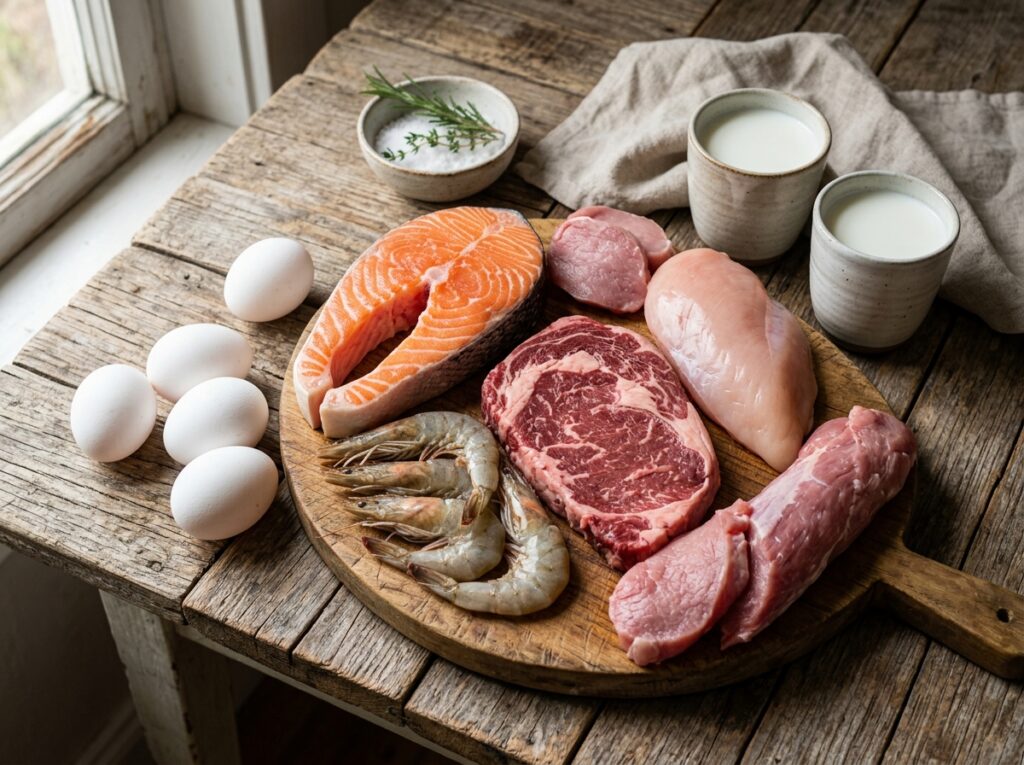
Lean Meats
- Chicken breast
- Turkey
- Lean beef
- Veal
Fish and Seafood
- All types allowed
Eggs
- Unlimited whole eggs
Fat-Free Dairy
- Nonfat yogurt
- Cottage cheese
- Fat-free ricotta
- Skim milk
Plant Proteins
- Tofu
- Tempeh
Mandatory Fiber
- 1.5 tablespoons oat bran daily
Rules
- No added oils or fats
- Cooking methods: grill, oven, steam, air fryer
- Minimum 1.5 liters of water daily
- 20-minute daily walk recommended by Dukan himself
Recommended Duration
- Up to 5kg to lose → 1–2 days
- 5–10kg → 3–5 days
- Over 10kg → 5–7 days
Phase 2 — Cruise
Duration:
Until the desired weight is reached.
This is where most actual fat loss occurs.
The cruise phase alternates:
- PP days (pure protein)
WITH - PV days (protein + vegetables)
PP Days
Same foods as the attack phase.
PV Days
Non-starchy vegetables are added, including:
- Lettuce
- Spinach
- Broccoli
- Zucchini
- Cauliflower
- Tomatoes
- Cucumbers
- Mushrooms
- Radishes
- Bell peppers
- Onions
Vegetables Still NOT Allowed
Before consolidation, the following remain restricted:
- Potatoes
- Corn
- Peas
- Cooked carrots
- Cooked beets
- Avocados
- Beans and legumes
because of higher carbohydrate content.
Most Common Rotation
The classic rhythm is:
- 1 PP day
- followed by 1 PV day
although some people use:
- 5 PP / 5 PV
for slower fat loss.
Oat Bran
Increases to:
- 2 tablespoons daily
to support digestion during restriction.
Expected Weight Loss
- Roughly 1–2kg weekly at first
- Slowing gradually over time
Phase 3 — Consolidation
Duration:
10 days for every kilogram lost.
This is the phase most people skip — and one of the main reasons rebound weight gain happens.
After weight loss, the body naturally attempts to regain lost weight through:
- increased hunger hormones
- metabolic slowing
Consolidation exists to stabilize the new weight before returning to normal eating patterns.
Foods Reintroduced
Daily
- 1 serving of fruit
(except bananas, grapes, cherries, figs) - 2 slices whole-grain bread
- 1 serving cheese
Weekly
- Legumes
- Pasta
- Rice
- Potatoes
- Pork
- Lamb
Celebration Meals
One unrestricted meal per week is allowed initially.
During the second half of consolidation:
- 2 celebration meals weekly become allowed.
This psychological flexibility is one of the smartest aspects of the method.
Weekly Pure Protein Day
Every Thursday:
- return to attack-phase eating
This weekly “reset” is designed to:
- compensate for indulgences
- maintain metabolic structure
- reduce regain risk
Oat Bran
Increases to:
- 2.5 tablespoons daily
Phase 4 — Stabilization
Duration:
Forever.
This is the maintenance phase — and arguably the most important.
Unlike many diets that leave people without structure after weight loss, Dukan keeps three permanent rules:
The 3 Lifelong Rules
1. Pure Protein Thursdays
One weekly PP day forever.
2. 3 Tablespoons Oat Bran Daily
Permanent.
3. 20 Minutes Walking Daily
Permanent.
Outside of those rules:
- eating becomes flexible
- calorie counting stops
- foods are no longer forbidden
The idea is that these “anchors” help maintain metabolic stability long term.
7-Day Sample Meal Plan
Attack Phase — Days 1 to 3
Day 1
Breakfast:
- Herb omelet with yogurt
Snack:
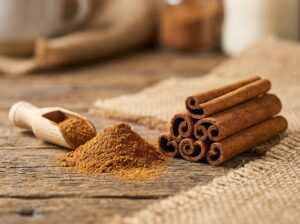
- Nonfat yogurt with cinnamon
Lunch:
- Mustard grilled chicken
Snack:
- Protein oat bran pancake
Dinner:
- Baked salmon with lemon and garlic
Day 2
Breakfast:
- Scrambled eggs with chives
Snack:
- Ricotta with herbs
Lunch:
- Lean grilled beef
Snack:
- Yogurt gelatin mousse
Dinner:
- Garlic shrimp
Day 3
Breakfast:
- Sweet protein pancake
Snack:
- Boiled egg
Lunch:
- Seasoned shredded chicken
Snack:
- Yogurt with oat bran
Dinner:
- Herb-baked white fish
Cruise Phase — Days 4 to 7
Day 4 — PP
- Omelet with cottage cheese
- Nonfat yogurt
- Grilled chicken with mustard
- Protein mug cake
- Grilled tuna
Day 5 — PV
- Protein pancake
- Cucumbers with ricotta
- Chicken salad
- Raw vegetables with yogurt
- Egg white omelet with spinach and mushrooms
Day 6 — PP
- Oil-free fried eggs
- Cottage cheese with herbs
- Lean beef
- Yogurt mousse
- Garlic shrimp
Day 7 — PV
- Zucchini omelet
- Radish and cucumber salad
- Salmon with broccoli
- Yogurt with oat bran
- Shredded chicken salad
Who the Dukan Diet Is Good For — And Who Should Avoid It
May Work Well For
- People struggling with appetite control
- Those motivated by fast initial results
- Individuals without kidney or liver disease
NOT Recommended For
- People with kidney disease
- Pregnant or breastfeeding women without supervision
- People with gout
- Individuals with eating disorder history
Criticism and Important Considerations
The Dukan Diet has received legitimate criticism from parts of the scientific community.
Main concerns include:
- severe carbohydrate restriction
- low fiber intake during early phases
- potential vitamin and mineral deficiencies
The mandatory oat bran helps, but it does not fully replace:
- fruits
- vegetables
- whole grains
during the restrictive stages.
Because of this:
- multivitamin supplementation is often recommended
- professional nutritional supervision is strongly advised
especially for people with preexisting health conditions.
Conclusion
The Dukan Diet existed before the modern low-carb wave — and survived because it offers something many trends don’t:
structure.
It is not magic.
It is not effortless.
And it is not meant to be followed halfway.
People who skip consolidation and stabilization are essentially doing half the method — and usually getting half the long-term results.
But when followed correctly from attack through stabilization, Dukan can produce:
- significant fat loss
- structured maintenance
- sustainable appetite control
with a clear long-term strategy.
Know someone who tried Dukan and quit after the first week? Share this article — understanding the full method changes everything.